Dirty Secrets: What Lies Beneath the Vine
1. What Soil Really Does
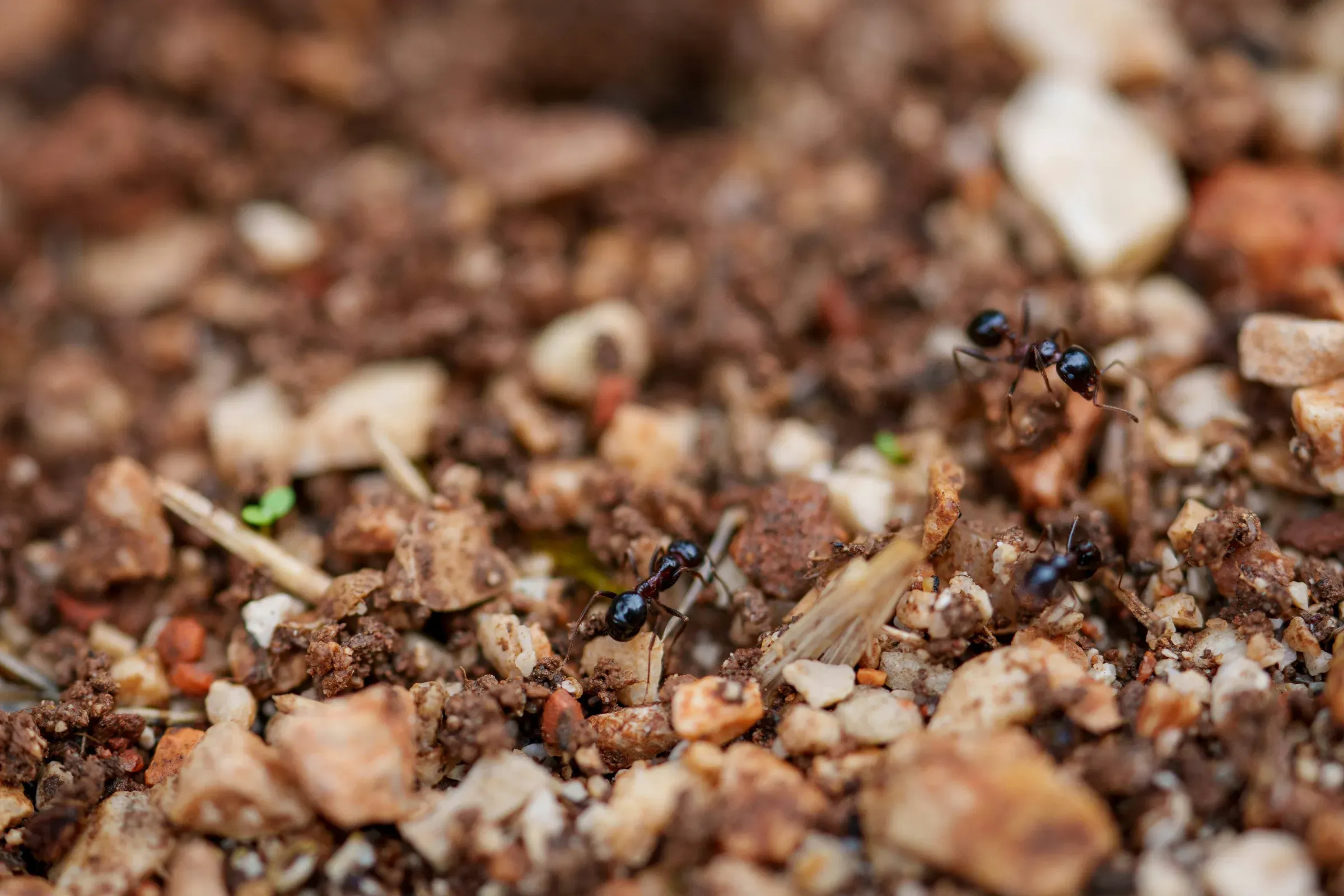
The soil under a vineyard is the vine’s lifeline.
It holds water, provides food and support, and keeps the roots cool in summer and warm in winter.
Healthy soil also has tiny living organisms that help vines take up nutrients.
Good soil doesn’t give wine its flavour directly — wines don’t “taste of rocks.”
Instead, soil affects how the vine grows, which changes the size, ripeness, and flavour of the grapes.
2. Main Soil Types
- Limestone / Chalk: keeps acidity high; found in Burgundy and Champagne.
- Clay: rich and heavy; makes powerful wines like Pomerol.
- Schist / Slate: stony and warm; gives spicy, intense reds such as in the Douro.
- Granite: drains well; makes fragrant, bright wines in Beaujolais.
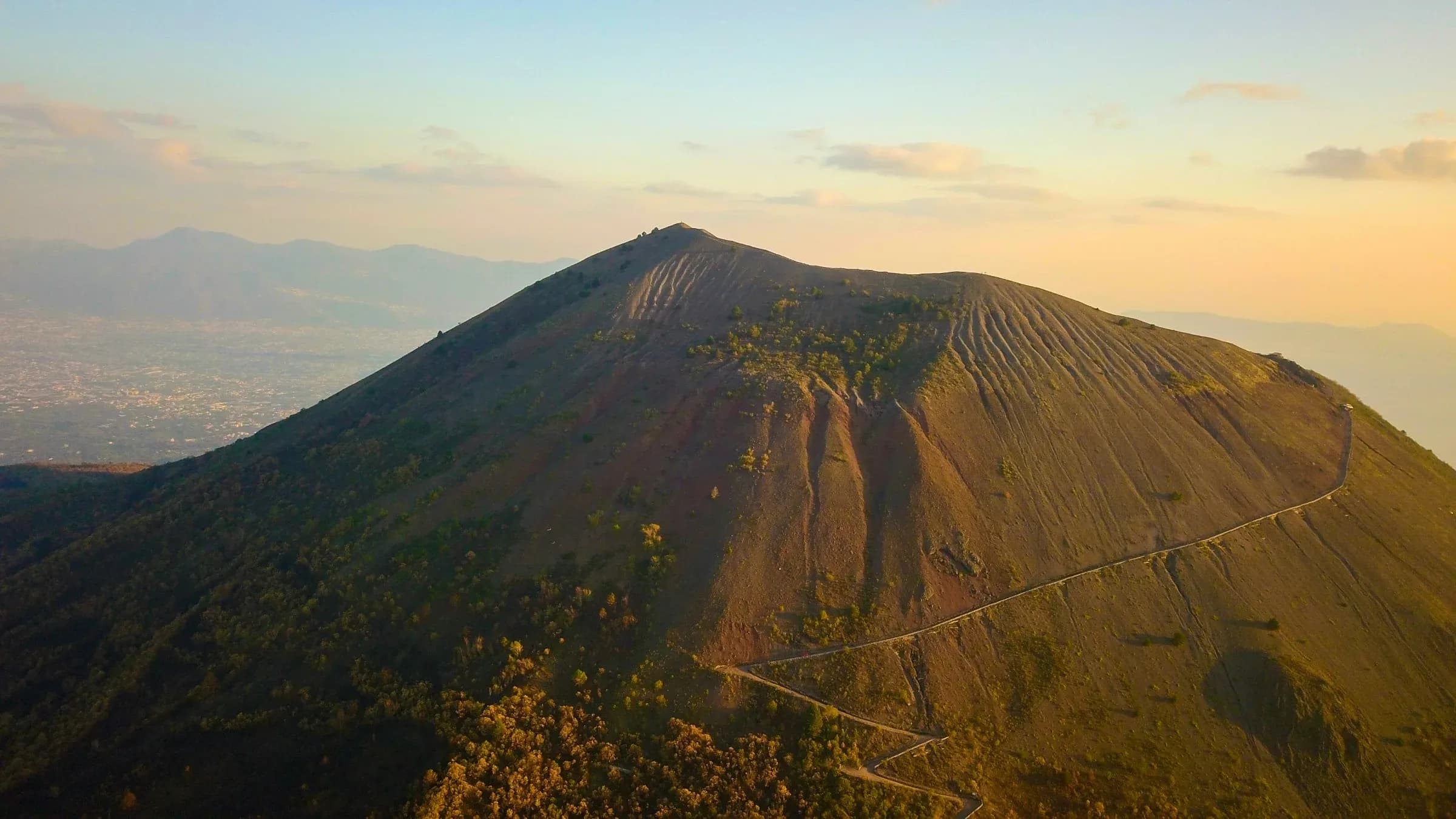
- Volcanic: mineral and airy; adds savoury depth in places like Etna and Santorini.
- Sandy: light and aromatic; common in Sancerre.
- Alluvial: mixed river soils; fertile, giving soft, fruity wines.
Each soil type changes how much water and heat the vine receives, creating different styles of wine.
3. Vines and Pests
Most vineyards use grafted vines to protect against phylloxera, a tiny root insect that kills ungrafted vines.
It thrives in heavy, wet soils but can’t live in sand or volcanic soils.
Different rootstocks are chosen to match local soils and control vigour.
4. Why It Matters
Soil decides how easily vines find water, how hard they work, and how slowly grapes ripen.
From chalky hillsides to black volcanic slopes, the earth beneath the vine shapes the balance and style of every wine — that’s the real “dirty secret.”
Check your knowledge
Explorer quiz