Dirty Secrets: What Lies Beneath the Vine
1. Demystifying Terroir
Every great vineyard begins underground. The soil beneath the vines is far more than inert ground—it is the vine’s engine room.
It regulates water, stores and releases nutrients, buffers temperature, and supports a living web of microorganisms that drive root health.
These interactions control how quickly the vine grows, how deeply it roots, and how steadily fruit ripens—factors that decide berry size, acid retention, and flavour intensity long before harvest.
Because soil defines the vine’s environment, it sits at the heart of what we call terroir: the natural framework that links place to taste.
Texture and structure determine drainage and stress; chemistry shapes nutrient flow; biology keeps the system alive.
Together they decide whether a vineyard yields lean, high-acid fruit or opulent, full-bodied grapes.
It’s worth clearing one point early. Vines do not absorb flavour-giving minerals from bedrock; limestone doesn’t make wine “taste of chalk.”
What we perceive as minerality or salinity arises from the way soils manage water, nutrients, and acidity, not from the direct transfer of minerals.
In a few cases the air adds its own accent—sea spray near coastal vineyards, eucalyptus oils in Australia, or, less happily, smoke taint after fires.
The story of soil is therefore a story of function, not flavour: how the physical and biological life beneath the vine shapes the rhythm of ripening above it.
2. The Building Blocks of Vineyard Soils
Texture (sand, silt, clay) dictates drainage, aeration, and root depth.
Structure describes how particles bind into aggregates, controlling porosity and water movement.
Organic matter improves both, raising cation-exchange capacity (CEC), the soil’s “nutrient battery.”
pH controls nutrient availability: vines thrive around 6.0–7.5.
Below 5.5, aluminium and manganese can become toxic; above 8.0, iron and zinc become insoluble, leading to chlorosis.
Matching rootstock to soil chemistry is crucial for balance and long-term health.
3. Water and Vine Balance
Water availability is the main driver of vine vigour.
-
Excess water: promotes vigour, shading, and dilution.
-
Deficit: triggers stress, shrivel, and unripe tannins.
The best soils create steady, moderate stress. -
Sandy soils: drain fast and dry quickly.
-
Clay: retains water but can suffocate roots.
-
Limestone: holds deep reserves and releases them slowly.
-
Gravel: warms early, encouraging small, concentrated berries.
Where allowed, regulated deficit irrigation (RDI) mimics this natural balance.
4. Soil Chemistry and Nutrition
Vines draw macro- and micro-nutrients as ions through root hairs.
Clay and humus (high CEC) store cations such as K⁺, Mg²⁺, and Ca²⁺.
High-clay soils risk excess potassium (raising must pH); calcareous soils supply calcium but can induce iron deficiency; sandy soils are poor and need organic enrichment.
Volcanic soils often provide balanced minerals with moderate pH and natural disease resistance.
5. Soil Biology and Mycorrhizae
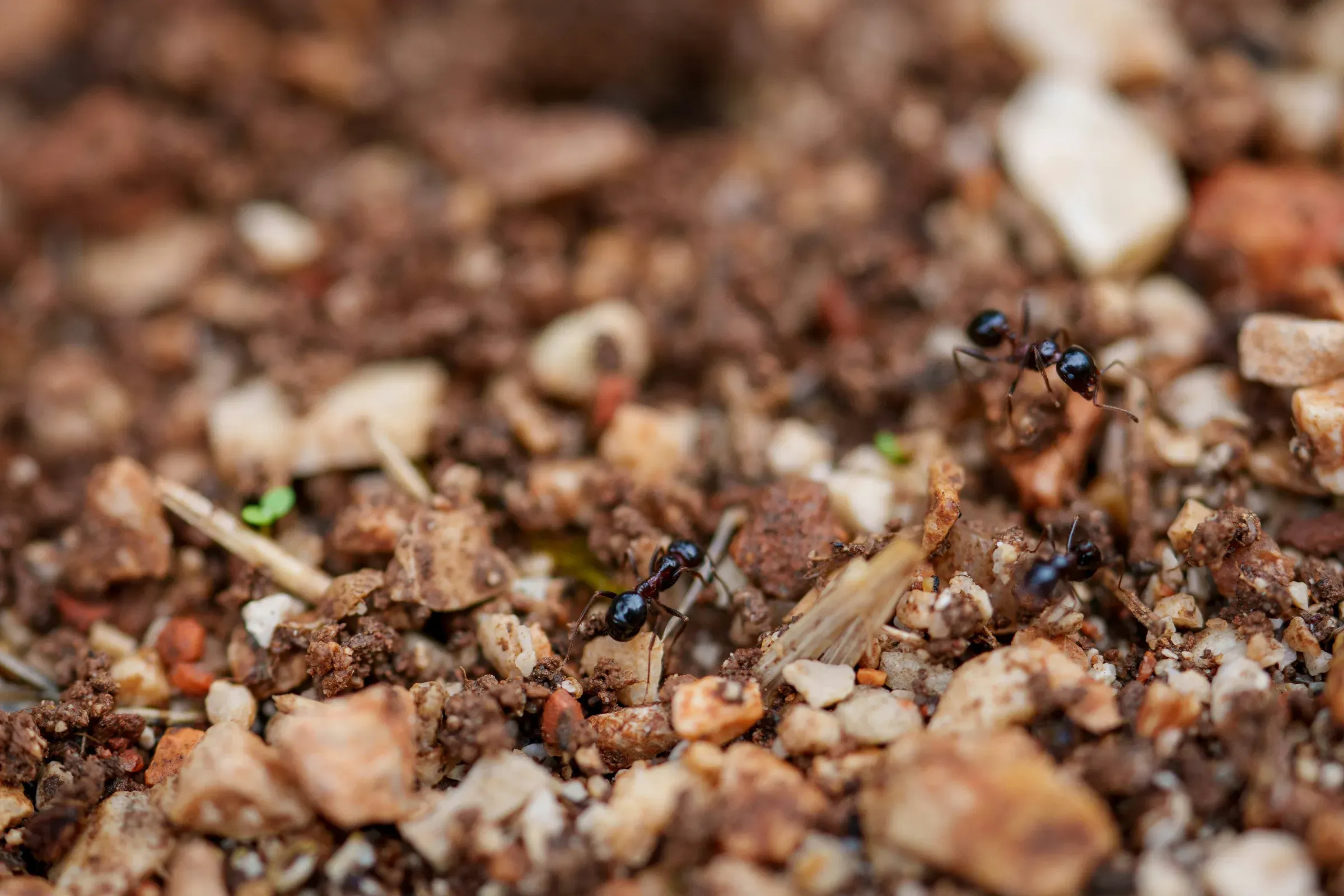
Healthy soils are alive with fungi, bacteria, and insects.
Mycorrhizae — symbiotic fungi living within vine roots — extend the root network, exchanging the vine’s carbohydrates for greater access to water and nutrients, particularly phosphorus.
They enhance drought tolerance, improve soil structure, and support nutrient cycling.
Microbial diversity underpins vine resilience and influences the microbial flora on grape skins.
6. Soil Families and Their Influence
Calcareous (Limestone, Chalk, Marl)
Alkaline (pH 7.5–8.2); moderate drainage; moisture held in fissures.
Encourages acidity and precision but risks iron chlorosis.
Examples: Burgundy, Champagne, Loire tuffeau, Rioja Alavesa, Jerez, Bandol.
Siliceous / Sandy (Flint, Quartz, Sand)
Acidic (pH 5.0–6.5); freely draining; low fertility.
Early ripening, aromatic delicacy; drought risk.
Examples: Sancerre (silex), Graves, Médoc sands, coastal South Africa.
Clay and Clay-Limestone
Neutral to alkaline (pH 7–8); high CEC; water-retentive.
Yields structured, powerful wines; slow to warm.
Examples: Pomerol, Barolo marls, Ribera del Duero.
Schist and Slate
Slightly acidic (pH 5.5–6.5); thin, heat-holding, low fertility.
Produces concentrated, spicy wines; erosion risk.
Examples: Northern Rhône, Priorat, Douro, Roussillon, Mosel.
Granite
Acidic (pH 5–6); excellent drainage; nutrient-poor.
Gives fragrant, high-acid reds and fine tannins.
Examples: Beaujolais, Hermitage foothills, Galicia, Corsica.
Volcanic / Basaltic
Near-neutral (pH 6–7.5); mineral-rich; variable depth.
Savoury texture, mineral character, natural resilience.
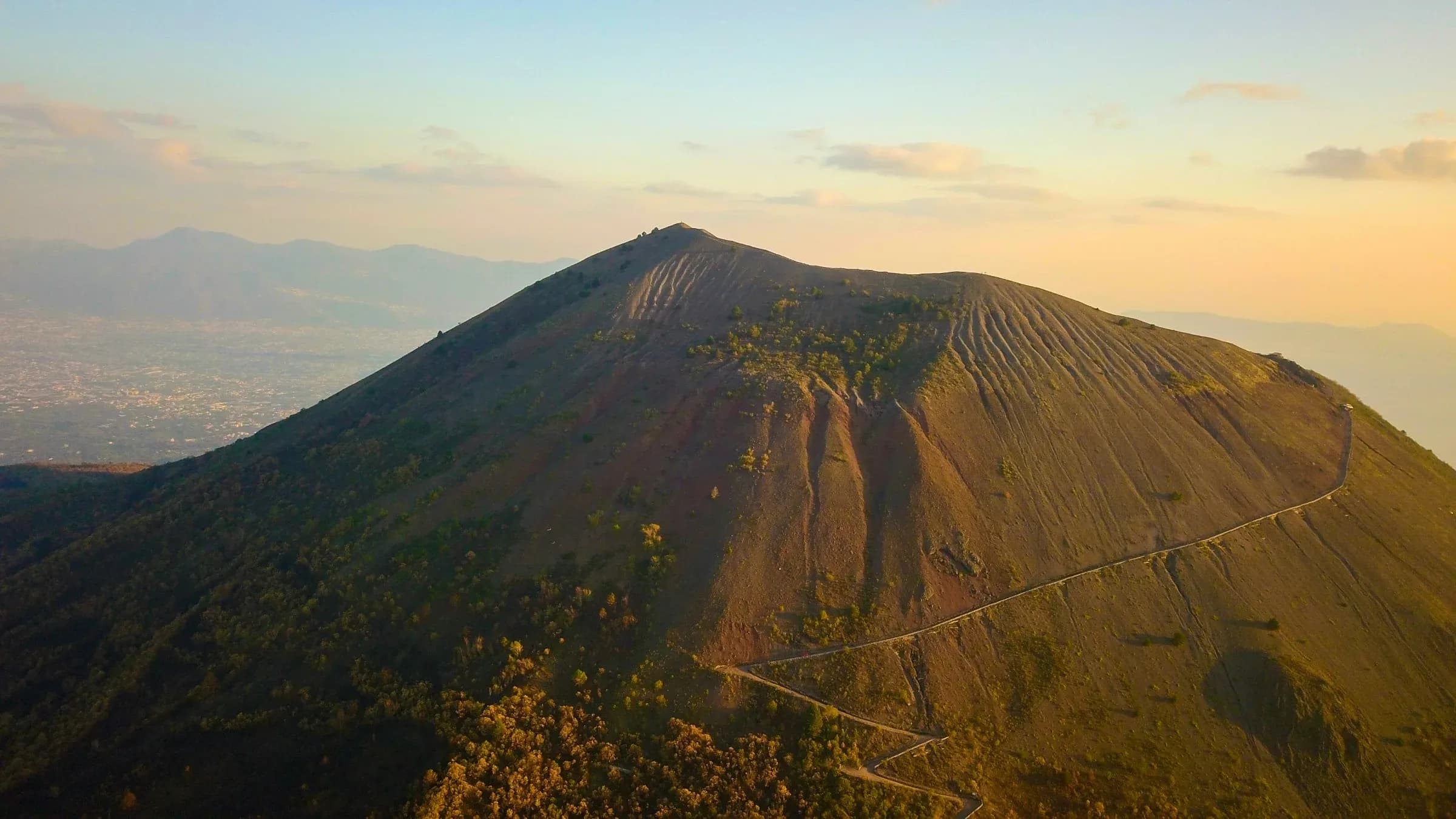
Examples: Soave, Etna, Santorini, Canary Islands, Oregon.
Alluvial / Colluvial
Mixed sand, silt, clay, and gravel.
Alluvial = river-deposited, sorted layers; Colluvial = slope debris, coarser and angular.
Fertile and evenly watered but often less distinctive.
Examples: Rhône and Garonne plains, Central Valley (Chile/California), Languedoc lowlands.
7. Soil Properties at a Glance
| Soil Type | pH | Drainage | Fertility | Water Holding | Phylloxera Suitability | Typical Wine Traits |
|---|---|---|---|---|---|---|
| Limestone / Chalk | 7.5–8.2 | Moderate | Low–Med | Moderate | Moderate | High-acid, linear |
| Clay | 7.0–8.0 | Poor | High | High | High | Structured, firm |
| Schist / Slate | 5.5–6.5 | Good | Low | Low | Low–Mod | Concentrated, spicy |
| Granite | 5.0–6.0 | Excellent | Low | Low | Low | Aromatic, bright |
| Volcanic | 6.0–7.5 | Good | Medium | Moderate | Very Low | Savoury, mineral |
| Sandy / Siliceous | 5.0–6.5 | Excellent | Low | Low | Very Low | Light, aromatic |
| Alluvial / Colluvial | 6.5–7.5 | Variable | High | Moderate | Moderate | Fruity, generous |
8. Phylloxera Resistance and Rootstocks
Phylloxera (Daktulosphaira vitifoliae) thrives in compact, moist clays and fails in loose, sandy or volcanic soils.
Modern vineyards graft Vitis vinifera onto American hybrid rootstocks that combine pest resistance with soil compatibility.
| Rootstock Group | Parentage | Soil Preference | Key Traits / Regions |
|---|---|---|---|
| V. riparia × V. rupestris (e.g. 101-14 MGt) | Shallow-rooting | Cool, fertile soils | Resistant to phylloxera; low drought tolerance; Loire, cooler Europe |
| V. berlandieri × V. rupestris (e.g. 110R, 140Ru, 99R) | Deep-rooting | Warm, dry, calcareous soils | Strong drought and pest resistance; lime-tolerant; South France, Spain, Italy |
| V. berlandieri × V. riparia (e.g. SO4, 5BB) | Medium rooting | Moderate moisture | Balanced vigour; central/northern Europe |
Rootstocks influence vigour, nutrient uptake (especially K and Mg), and ripening pace, subtly affecting acidity and phenolic maturity.
9. Soil and Climate – The Real Engine of Terroir
Soil physics sets drainage and water stress; chemistry controls nutrient flow; biology sustains microbial life.
Climate adds temperature and light; topography governs exposure and airflow.
Even the air can contribute subtle aroma cues—from smoke to sea spray to local vegetation.
The interaction of these factors, not the minerals themselves, determines vine health and wine style.
10. Soil Management and Regeneration
Cover crops reduce erosion and fix nitrogen.
Compost and green manure raise organic matter and microbial activity.
Mulching and reduced tillage conserve moisture.
Terraces and grassed alleys stabilise slopes.
Precision tools—electrical conductivity mapping and NDVI imaging—guide irrigation and nutrition.
On alkaline soils, lime-tolerant rootstocks prevent chlorosis; on acidic soils, liming moderates aluminium toxicity.
11. Summary – The Life Beneath the Vine
Soil doesn’t flavour wine; it shapes the conditions for balance.
Its texture, chemistry, and biology regulate water, nutrients, and stress—the key forces behind acidity, texture, and longevity.
From chalk to basalt, what lies beneath the vine is less about tasting rocks and more about the slow, silent management of energy, water, and life—the true dirty secret behind great wine.
Check your knowledge
Expert quiz