Dirty Secrets: What Lies Beneath the Vine
1. Demystifying Terroir
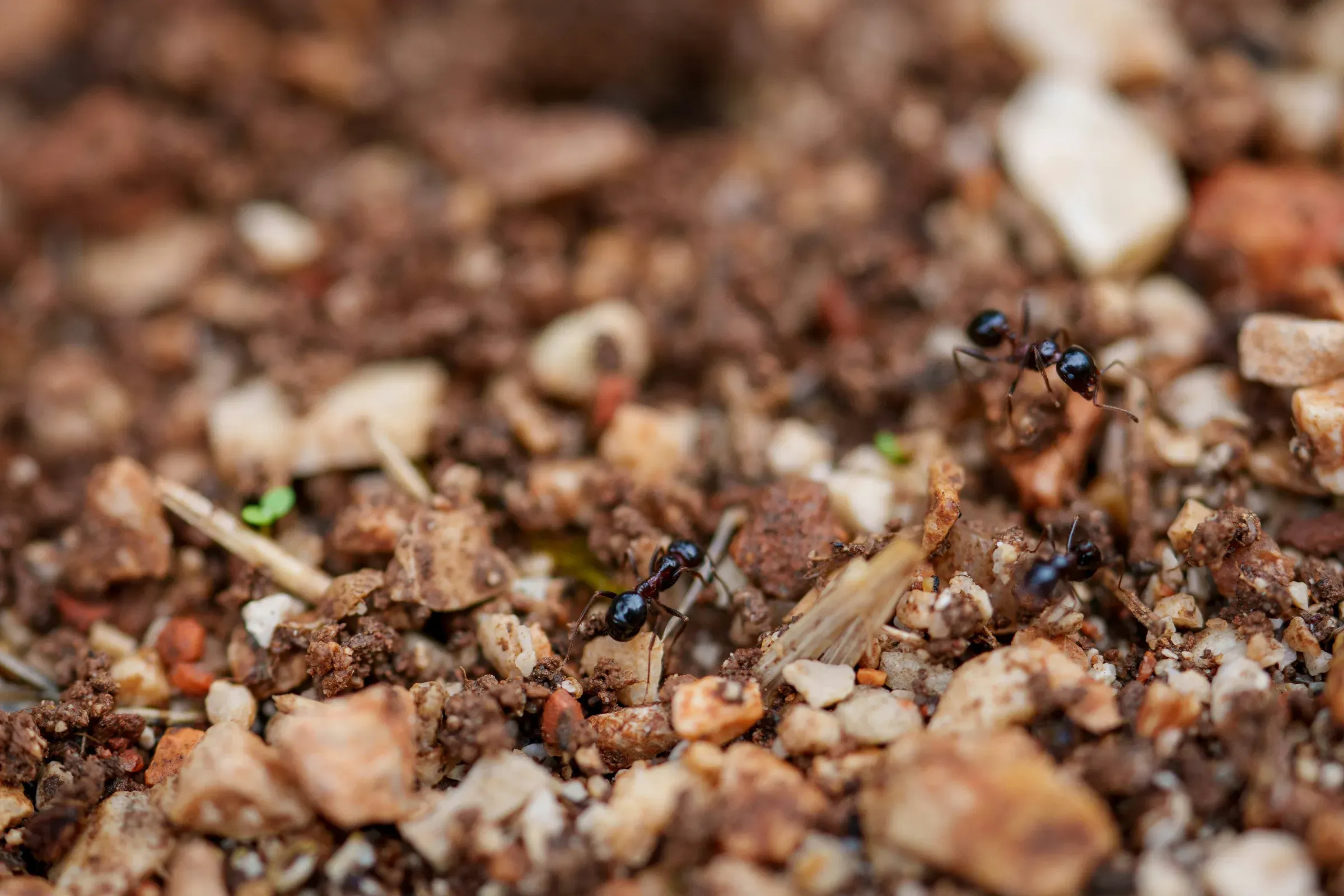
Soil is the foundation of the vineyard and a key part of terroir.
It regulates water, provides nutrients, buffers temperature, and supports a living ecosystem around vine roots.
These factors determine vine vigour, berry size, and ripening speed, influencing acidity, flavour concentration, and style.
Vines don’t absorb flavour-giving minerals directly from the soil — limestone doesn’t make wine “taste of chalk.”
Instead, soil structure, drainage, and chemistry affect how the vine grows and accumulates compounds that shape aroma and balance.
2. The Building Blocks of Vineyard Soils
- Texture: the proportion of sand, silt, and clay — controls drainage and root depth.
- Structure: how soil particles clump together — affects aeration and water movement.
- Organic matter: improves structure and nutrient storage.
- pH: ideally 6.0–7.5; influences nutrient uptake (too high = iron lock-up, too low = metal toxicity).
Soil is dynamic — its ability to hold and release water is as important as its chemical make-up.
3. Water and Vine Balance
- Excess water = vigour, shading, dilution.
- Deficit = stress, unripe fruit.
Best vineyards have soils that create moderate, steady stress. - Sandy soils drain fast; low fertility.
- Clay holds water and nutrients; slow to warm.
- Limestone stores deep moisture and releases it slowly.
- Gravel warms early, producing small, concentrated berries.
4. Major Soil Types and Traits
| Soil Type | pH | Characteristics | Typical Wine Style | Examples |
|---|---|---|---|---|
| Limestone / Chalk | 7.5–8.2 | Moderate drainage, high pH | Crisp, high acid | Burgundy, Champagne |
| Clay | 7–8 | Fertile, water-retentive | Full-bodied, structured | Pomerol, Barolo |
| Schist / Slate | 5.5–6.5 | Warm, stony, low fertility | Spicy, concentrated | Northern Rhône, Douro |
| Granite | 5–6 | Drains freely, low nutrients | Aromatic, fresh | Beaujolais, Galicia |
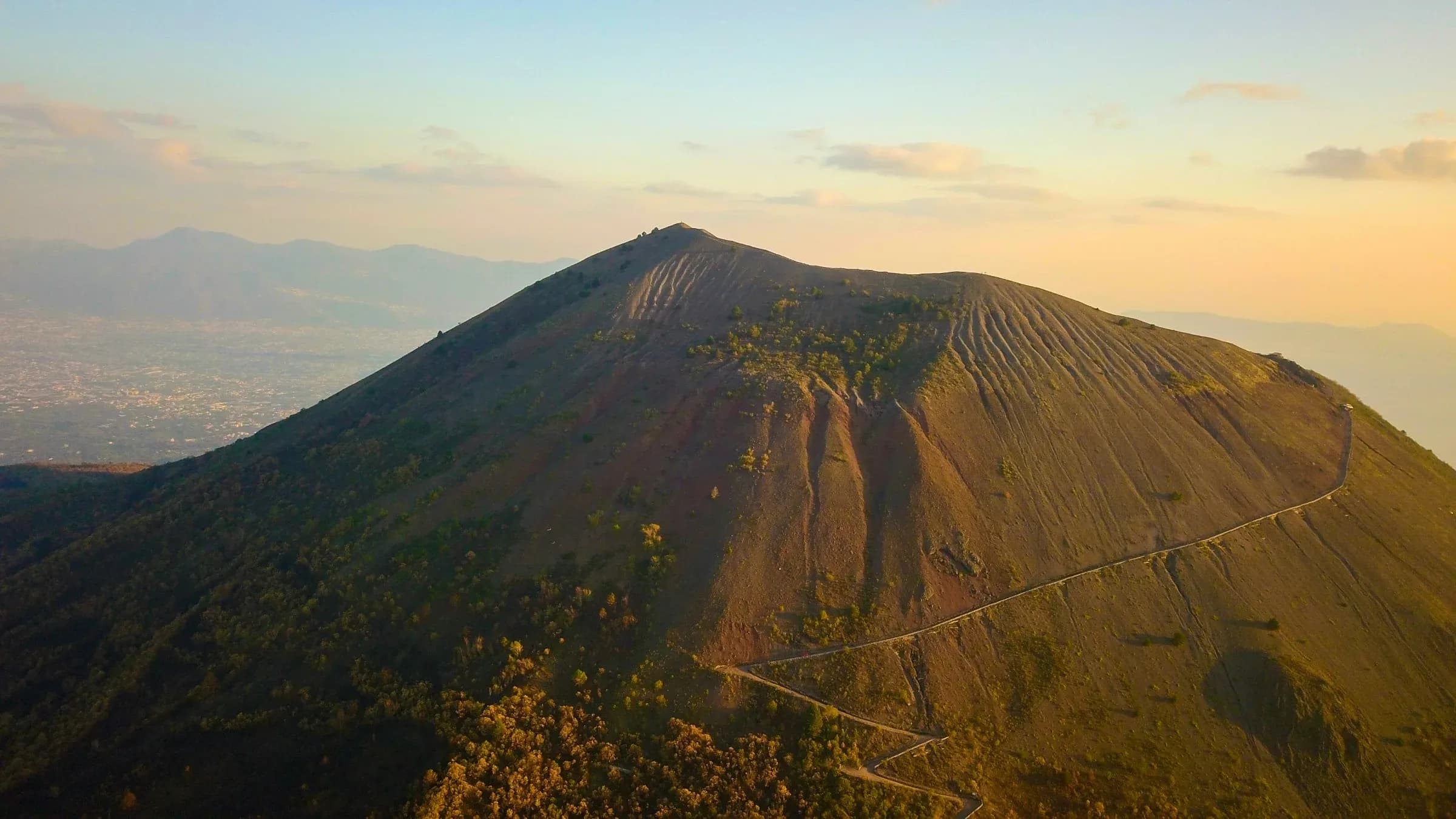
| Volcanic | 6–7.5 | Mineral-rich, porous | Savoury, textured | Etna, Santorini |
| Sandy / Siliceous | 5–6.5 | Light, free-draining | Fragrant, early-drinking | Sancerre, Graves |
| Alluvial / Colluvial | 6.5–7.5 | Mixed, fertile | Fruity, supple | Rhône plains, Languedoc |
5. Rootstocks and Phylloxera
Phylloxera thrives in compact, wet clays but struggles in sand or volcanic soils.
All modern vineyards use grafted vines: Vitis vinifera scions on American hybrid rootstocks that combine pest resistance with soil tolerance.
Examples:
- 101-14 MGt (V. riparia × V. rupestris): cool, fertile soils.
- 110R / 140Ru (V. berlandieri × V. rupestris): dry, calcareous soils.
- SO4 / 5BB (V. berlandieri × V. riparia): moderate moisture.
Rootstock choice influences vigour, acidity, and ripening speed.
6. Soil Management
Cover crops prevent erosion and fix nitrogen.
Compost and green manure build organic matter.
Mulching and reduced tillage conserve moisture.
Precision tools (soil mapping, NDVI) help target irrigation and nutrition.
7. Summary
Soil doesn’t flavour wine directly; it shapes the conditions that define it.
Texture, pH, drainage, and biology regulate stress, vigour, and nutrient flow — the levers that drive style and quality.
From chalk to basalt, the “dirty secret” is simple: the ground beneath the vine decides how gracefully the fruit ripens, not what it tastes like.
Check your knowledge
Enthusiast quiz