Southern Rhone Spotlight
Southern Rhône Viticulture and Winemaking (WSET Level 3 Summary)
1. Climate and Environment
The Southern Rhône extends from Montélimar to Avignon and accounts for about 95% of the Rhône Valley’s total production.
The region has a Mediterranean climate with hot, dry summers, mild winters, and most rain in spring and autumn.
Average rainfall is 600–700 mm, and sunshine exceeds 2,700 hours per year.
The strong Mistral wind keeps vines healthy but can damage young shoots and lower yields.
Irrigation is permitted in very dry years. Vineyards are mostly on plains and gentle slopes, allowing some mechanisation.
2. Soils and Terroir
Soils vary widely, adding complexity to blends:
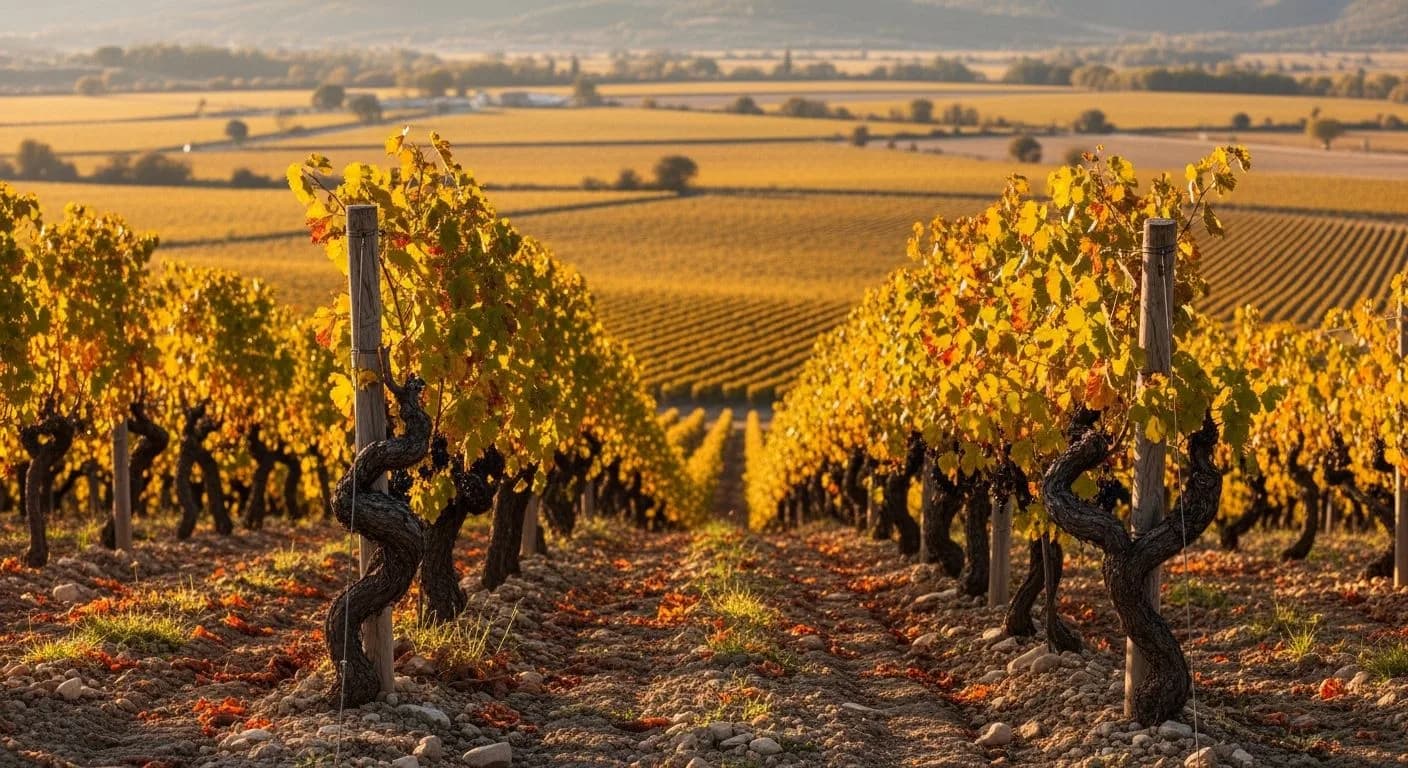
- Châteauneuf-du-Pape: Heat-retaining galets roulés (rounded stones) over clay and sand.
- Gigondas / Vacqueyras: Clay-limestone and sand; slightly higher, fresher sites.
- Lirac: Stony, sandy soils on the right bank.
- Tavel: Chalky gravel and red clay; ideal for powerful rosés.
- Rasteau / Beaumes-de-Venise: Limestone and marl; suited to both dry and fortified wines.
- Clairette / Crémant de Die: Clay-limestone soils in cooler Drôme foothills for sparkling wines.
3. Grape Varieties
| Grape | Acidity | Tannins | Style / Flavours | Notes |
|---|---|---|---|---|
| Grenache Noir | Medium–Low | Medium | Red fruit, spice, garrigue | Core grape; body and alcohol. |
| Syrah | Medium–High | High | Blackberry, pepper, violet | Adds colour and structure. |
| Mourvèdre | Medium | High | Dark fruit, game, herbs | Depth and longevity. |
| Cinsault / Carignan / Counoise | Medium | Low | Fresh red fruit, spice | Supporting grapes. |
| Whites: Grenache Blanc, Clairette, Bourboulenc, Roussanne, Marsanne, Viognier. | Pear, citrus, floral, honey | For white and sparkling blends. |
4. Vineyard Management and Yields
Traditional gobelet (bush) vines dominate, but trellising is common for Syrah and white varieties.
Typical yields (hL/ha):
- Côtes-du-Rhône: 52 (max).
- Côtes-du-Rhône Villages: 41.
- Châteauneuf-du-Pape: 35.
- Tavel: 42.
- VDNs (Rasteau, Muscat): 30.
5. Appellations and Styles
- Côtes-du-Rhône / Villages: Broad Grenache-based blends.
- Châteauneuf-du-Pape: 13 permitted grapes; full-bodied, complex reds, small volume of whites.
- Gigondas / Vacqueyras / Cairanne / Lirac: Structured reds and rosés.
- Tavel: Rosé-only Cru; deeper colour and fuller body than Provence styles.
- Rasteau VDN: Fortified red, white, or rosé wines (≥15% abv, 45 g/L sugar).
- Muscat de Beaumes-de-Venise: 100% Muscat Blanc à Petits Grains; luscious fortified dessert wine (≈15% abv, ~100 g/L RS).
- Clairette de Die / Crémant de Die: Sparkling wines — ancestral and traditional methods respectively.
6. Winemaking
Reds: Blending is key; Grenache provides body, Syrah and Mourvèdre add colour and structure. Aging in large foudres or concrete for 6–24 months.
Rosés (Tavel): Made by direct pressing or short maceration for deep colour and texture.
VDNs: Fermentation arrested by spirit addition (mutage) to retain sweetness.
Sparkling: Clairette de Die uses the ancestral method; Crémant de Die follows the traditional method (bottle fermentation).
7. Production and Key Facts
Total vineyard area: ≈71,000 ha.
Annual output: ≈2.5–3.0 million hL (250–300 million L).
Composition: Red 85%, Rosé 8–10%, White 5–7%.
Top producers: Perrin (Beaucastel), Clos des Papes, Chapoutier, Domaine de la Mordorée, Guigal.
8. Summary
The Southern Rhône is known for Grenache-led red blends, full-bodied rosés (Tavel), fortified VDNs (Rasteau, Muscat de Beaumes-de-Venise), and sparkling wines (Clairette/Crémant de Die).
Its Mediterranean climate, diverse soils, and blending tradition make it one of France’s most versatile and expressive wine regions.
Check your knowledge
Enthusiast quiz