Rioja
Rioja: Viticulture, Winemaking, and Regional Dynamics
1. Geographic and Climatic Overview
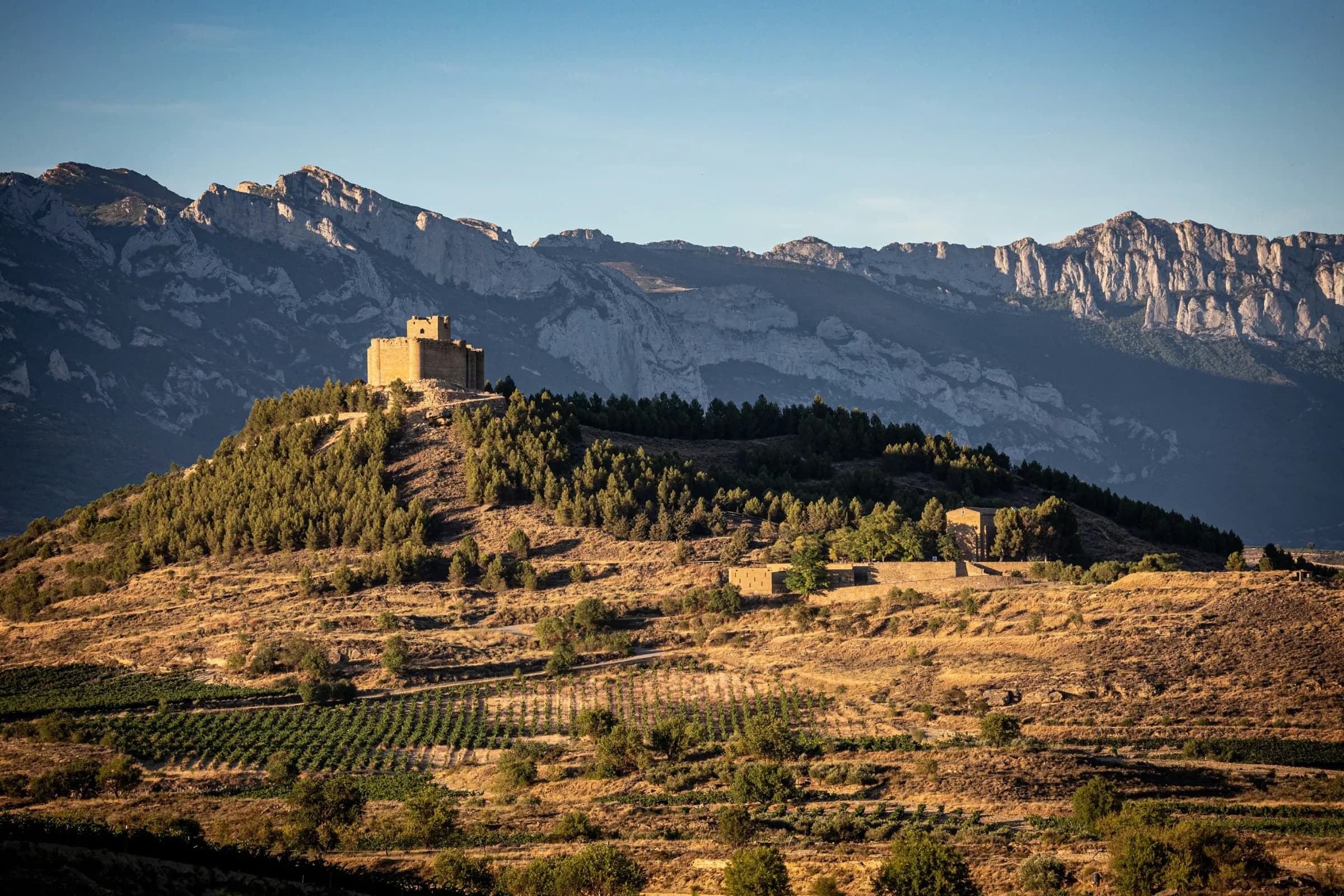
Rioja DOCa, Spain’s most celebrated wine region, stretches along the Ebro River in north-central Spain across La Rioja, Álava (Basque Country), and Navarra.
The region is divided into three distinct subzones:
- Rioja Alta – western zone; higher altitude (400–650 m); Atlantic influence; clay-limestone soils.
- Rioja Alavesa – north-west; limestone-clay terraces at 450–700 m; cooler, fine-grained styles.
- Rioja Oriental (formerly Baja) – eastern and warmest; Mediterranean influence; ferrous clay and alluvial soils.
Climate: Transitional – Atlantic in the west, Mediterranean in the east, with continental influences. Rainfall averages 400–600 mm per year.
Total vineyard area: ≈ 65,000 ha (DOCa Rioja, 2023).
Production: ≈ 2.8–3.0 million hl per year; around 90 % red, 5–6 % white, with small rosé volumes.
2. Soils, Yields, and Vineyard Practice
- Soils:
- Rioja Alta / Alavesa: Clay-limestone and alluvial fans; ideal for Tempranillo.
- Rioja Oriental: Ferrous clay and deep alluvial soils; warmer and more fertile, suited to Garnacha.
- Vine Density: 2,800–4,000 vines/ha.
- Typical Yields:
- Red: 40–45 hl/ha (max. 52 hl/ha).
- White: up to 65 hl/ha.
- Viticulture: Mix of old bush vines (en vaso) and newer VSP trellised vineyards; selective irrigation allowed.
- Challenges: Spring frost and humidity in the west; drought and heat in the east.
- Sustainability: Over 25 % of vineyards now managed organically or through regenerative practices.
3. Grape Varieties — Viticultural and Wine Characteristics
| Variety | Colour | Budding / Ripening | Vigour & Yield | Disease Sensitivity | Preferred Soils | Vine Characteristics Summary | Wine Style & Traits |
|---|---|---|---|---|---|---|---|
| Tempranillo | Black | Early bud; early ripening | Moderate vigour; 40–50 hl/ha | Mildew and frost prone; drought sensitive | Clay-limestone, alluvial terraces | Compact bunches; thick skins; performs best at altitude | Medium body, fine tannins, moderate acidity; red fruit, plum, spice, leather; backbone of Rioja; known as Tinto Roriz / Aragonez in Portugal |
| Garnacha Tinta | Black | Early bud; very late ripening | Vigorous; thrives in heat | Coulure risk in cool bloom | Ferrous-clay, sand | Drought tolerant; prefers warm sites | Ripe raspberry and spice; high alcohol, soft acidity; adds warmth and fruit to blends |
| Graciano | Black | Late bud; late ripening | Low vigour, low yield (~35 hl/ha) | Mildew and rot sensitive | Calcareous soils | Aromatic, high-acid, high-tannin variety | Deep colour, firm structure, floral perfume; key for Reservas and Gran Reservas |
| Mazuelo (Carignan) | Black | Late bud; late ripening | Vigorous; productive | Powdery mildew prone | Warm, stony soils | Needs heat for full ripeness | Deep colour, firm tannin and acidity; structural element in blends |
| Maturana Tinta | Black | Mid bud; mid ripening | Moderate vigour | Hardy and disease-resistant | Calcareous slopes | Indigenous revival variety | Deeply coloured, peppery reds; small but growing presence |
| Viura (Macabeo) | White | Mid bud; mid ripening | High vigour; 55–65 hl/ha | Mildew and rot prone | Clay-limestone and marl | Neutral, adaptable; good with oak or steel | Crisp citrus unoaked whites or creamy, nutty barrel-aged wines |
| Other Whites (Garnacha Blanca, Tempranillo Blanco, Malvasía, Chardonnay) | White | Varies | Moderate | Moderate | Warm, sheltered slopes | Supplemental whites for blending | Add texture, aromatics, or fruit weight to Viura |
4. Winemaking and Regional Style Differences
Sub-Regional Profiles
| Sub-zone | Climate | Predominant Grapes | Wine Style |
|---|---|---|---|
| Rioja Alta | Cool-moderate, Atlantic | Tempranillo, Graciano | Elegant, fresh reds with high acidity and refined tannins; long-ageing potential |
| Rioja Alavesa | Limestone terraces, Atlantic | Tempranillo | Perfumed, fine-grained reds; mineral precision |
| Rioja Oriental | Warm, Mediterranean | Garnacha, Tempranillo | Riper, fuller-bodied wines with round tannins and higher alcohol |
Winemaking Practices
- Traditional: Fermentation in large old oak vats; long maturation in American oak, yielding pale, silky, tertiary wines.
- Modern: Shorter macerations; stainless steel or concrete fermenters; French oak for precision and structure.
- Rosado: Direct press Garnacha; pale, crisp, and dry.
- Whites: Stainless-steel-fermented Viura for freshness; barrel-fermented examples for texture.
- Malolactic fermentation: In tank or oak, depending on style.
Traditional vs Modern Rioja
| Style | Oak Type | Fruit Profile | Key Characteristics |
|---|---|---|---|
| Traditional | American oak, long ageing | Dried fruit, spice, leather | Pale colour, silky texture, complex tertiary aromas |
| Modern | French oak, shorter ageing | Fresh red/black fruit | Deeper colour, structured palate, site expression |
5. Ageing Classifications and Maturation
| Category | Minimum Age (Red) | Oak Requirement | Typical Profile |
|---|---|---|---|
| Joven / Generic | < 24 months | None | Fruity, early-drinking wines |
| Crianza | 24 months | ≥ 12 in oak | Bright fruit, gentle oak influence |
| Reserva | 36 months | ≥ 12 in oak | Structured, balanced, elegant |
| Gran Reserva | 60 months | ≥ 24 in oak | Silky texture, complex tertiary aromas |
| Whites: Crianza (18 m; 6 in oak), Reserva (24 m; 6 in oak), Gran Reserva (48 m; 6 in oak). |
Maturation Vessels:
- American oak: Vanilla, coconut, dill – hallmark of traditional Rioja.
- French oak: Spice, toast, cedar – preferred in modern styles.
- Concrete & amphora: Increasingly used for freshness and micro-oxygenation.
6. Producers and Signature Styles
Rioja Alta (Classic Elegance)
| Producer | Style | Notes |
|---|---|---|
| López de Heredia | Traditional Gran Reserva | Long ageing, oxidative development; benchmark (Viña Tondonia). |
| La Rioja Alta | Traditional Gran Reserva | Polished, silky Tempranillo aged in American oak (904, 890). |
| CVNE / Imperial | Classic Reserva & Gran Reserva | Balanced between tradition and finesse. |
| Marqués de Murrieta | Historic estate; refined classicism | Castillo Ygay among Spain’s icons. |
| Emerging: Bodegas Bhilar, Palacios Vinos de Finca – site-driven, organic focus. |
Rioja Alavesa (Mineral Precision)
| Producer | Style | Notes |
|---|---|---|
| Artadi | Modern, single-vineyard Tempranillo | French oak; terroir expression (Viña El Pisón). |
| Remelluri | Biodynamic elegance | Limestone purity; both red and white bottlings. |
| Luis Cañas / Amaren | Contemporary Reservas | Bright fruit and finesse. |
| Emerging: Ostatu, Tentenublo – vineyard-specific, minimal intervention. |
Rioja Oriental (Warm, Garnacha-Driven)
| Producer | Style | Notes |
|---|---|---|
| Palacios Remondo | Garnacha-led; ripe and vibrant | Finca La Montesa flagship. |
| Viña Herminia / Borsao group | Modern Garnacha blends | Fruit-forward, Mediterranean style. |
| Viña Lanciano (LAN) | Balanced, French oak restraint | Sustainable viticulture. |
| Emerging: Exopto, Frontonio, Queirón – high-altitude Garnacha revival. |
7. Market and Identity
- Production: ~3 million hl annually; red wines dominate.
- Exports: ~38 % of production; UK, USA, Germany, and Canada are leading markets.
- Trends:
- Growth of Viñedo Singular (single-vineyard classification, since 2017).
- Expansion of white and rosé Rioja (~10 % of output).
- Shift toward terroir-driven and village bottlings.
- Identity: Balances heritage and innovation — Rioja remains Spain’s strongest fine-wine brand.
8. Future Outlook
Strengths
- Prestigious DOCa status with clear ageing hierarchy.
- Diverse terroirs and old-vine resources.
- Strong export reputation and skilled craftsmanship.
Weaknesses
- Heavy reliance on Tempranillo and oak-aged identity.
- Style fragmentation between traditional and modern.
- Ageing requirements increase cost and delay release.
Opportunities
- Expansion of Viñedo Singular and sub-zone labelling.
- Rising quality in Garnacha and white Rioja.
- Growth in organic, sustainable viticulture.
Threats
- Climate change: heat and drought risk, especially in Rioja Oriental.
- Market competition from Ribera del Duero and Priorat.
- Confusion from stylistic diversity within the DOCa.
Outlook:
Rioja’s enduring strength lies in its ability to balance tradition and terroir-driven innovation.
From long-aged Tempranillo blends in Rioja Alta to vibrant Garnacha reds in Rioja Oriental and elegant, mineral wines from Alavesa, Rioja continues to define the benchmark for Spanish fine wine.
Check your knowledge
Expert quiz