Rioja
Rioja
1. Location and Climate
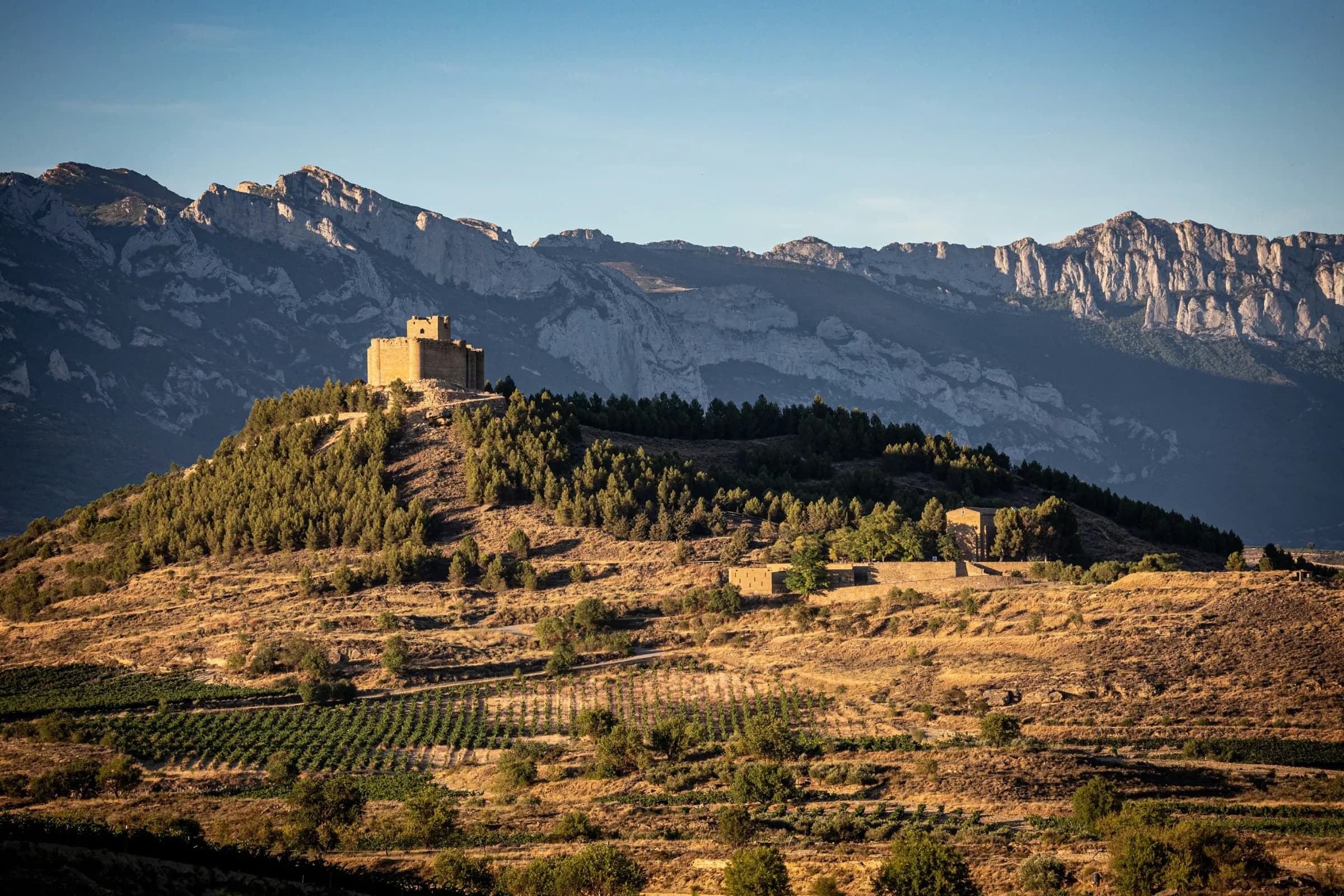
Rioja is Spain’s most famous wine region, located in the Ebro Valley in north-central Spain.
It stretches across La Rioja, Álava (Basque Country), and parts of Navarra, and is divided into three main subzones:
| Subregion | Climate & Altitude | Style Focus |
|---|---|---|
| Rioja Alta | Cooler, Atlantic influence; 400–650 m | Elegant, fresh reds with firm acidity |
| Rioja Alavesa | Limestone terraces; Atlantic influence | Perfumed, fine-grained reds with minerality |
| Rioja Oriental | Warm, Mediterranean; lower altitude | Riper, fuller-bodied wines led by Garnacha |
Climate: Continental with Atlantic and Mediterranean influences; rainfall averages 400–600 mm per year.
Vineyard area: ~65,000 ha.
Production: About 3 million hl of wine annually, with 90 % red.
2. Grapes and Characteristics
Red Grapes
| Grape | Traits | Role in Wine |
|---|---|---|
| Tempranillo | Early-ripening black grape; moderate vigour; thick skins; medium acidity | Main variety (~75%); structure, balance, and ageing ability; known as Tinto Roriz / Aragonez in Portugal |
| Garnacha Tinta | Late-ripening; thin-skinned; drought-tolerant | Adds fruit, warmth, and alcohol; key in Rioja Oriental |
| Graciano | Low-yielding, aromatic, high-acid | Adds freshness and perfume; important in Reservas and Gran Reservas |
| Mazuelo (Carignan) | Late-ripening, high tannin and acidity | Brings colour and structure to blends |
| Maturana Tinta | Indigenous, small plantings | Deep colour and pepper spice; modern niche variety |
White Grapes
| Grape | Traits | Role in Wine |
|---|---|---|
| Viura (Macabeo) | High yield, mid-ripening; neutral flavour | Crisp unoaked wines or creamy barrel-aged styles |
| Others (Garnacha Blanca, Tempranillo Blanco, Malvasía, Chardonnay) | Varying aroma and structure | Add complexity, body, or fragrance to blends |
3. Vineyard and Winemaking Practices
- Vine training: A mix of bush vines (en vaso) and modern trellised (VSP) systems.
- Yields: Red wines average 40–45 hl/ha (lower for top wines).
- Soils:
- Alta / Alavesa: clay-limestone — elegance and freshness.
- Oriental: ferrous clay and sand — warmth and ripe fruit.
- Fermentation: Traditional long ferments in oak vats; modern producers use stainless steel or concrete for fruit purity.
- Ageing: Combination of American oak (vanilla, dill) and French oak (spice, structure).
- Modern trends: Use of concrete and amphora for freshness; shorter ageing to preserve fruit.
4. Ageing Classification
| Category | Minimum Age (Reds) | Oak Time | Style |
|---|---|---|---|
| Joven / Generic | < 24 months | None required | Fresh, fruit-forward wines |
| Crianza | 24 months | ≥ 12 months | Balanced fruit and gentle oak |
| Reserva | 36 months | ≥ 12 months | Structured, elegant, age-worthy |
| Gran Reserva | 60 months | ≥ 24 months | Complex, mature, silky wines |
White and rosé Riojas follow shorter oak and total ageing requirements (18–48 months depending on category).
5. Regional Styles and Winemaking
| Style | Characteristics | Oak Approach |
|---|---|---|
| Traditional Rioja | Long-aged Tempranillo blends; pale colour; soft texture; flavours of leather, dried fruit, and spice | Long American oak ageing (oxidative) |
| Modern Rioja | Deep colour; ripe red/black fruit; mineral precision | Shorter French oak ageing (less oxidation) |
| Rioja Oriental Garnacha | Warm, rich, juicy reds; spice and soft tannins | Often French oak or concrete to preserve fruit |
| White Rioja (Viura) | Unoaked – citrus and floral; barrel-aged – creamy and nutty | Stainless steel or French oak |
| Rosado | Dry, pale, Garnacha-based | Cool ferment; minimal oak |
6. Key Producers
Rioja Alta (Classic Style)
- López de Heredia – Viña Tondonia; long-aged, traditional Gran Reservas.
- La Rioja Alta – Silky Tempranillo with long American oak ageing.
- CVNE / Imperial, Marqués de Murrieta – benchmark classic houses.
- Emerging: Bodegas Bhilar, Palacios Vinos de Finca – site-driven, organic wines.
Rioja Alavesa (Fine, Mineral Style)
- Artadi – Single-vineyard Tempranillo (Viña El Pisón); French oak, terroir precision.
- Remelluri – Biodynamic elegance; both red and white.
- Luis Cañas / Amaren – Polished, fruit-driven Reservas.
- Emerging: Ostatu, Tentenublo – small producers focusing on vineyard expression.
Rioja Oriental (Warm, Garnacha Focused)
- Palacios Remondo – Garnacha-led, ripe and vibrant; Finca La Montesa.
- Viña Herminia / Borsao Group – Modern, Mediterranean-style Garnacha blends.
- Viña Lanciano (LAN) – Balanced, French-oak aged reds.
- Emerging: Exopto, Frontonio, Queirón – high-altitude Garnacha revivalists.
7. Market and Trends
- Production: ~3 million hl annually; 90 % red.
- Exports: ~38 % of total, mainly to the UK, USA, Germany, and Canada.
- Trends:
- Growth of single-vineyard wines (Viñedo Singular) since 2017.
- More white and rosé Rioja (about 10 % of output).
- Increasing focus on organic and sustainable viticulture.
- Clearer separation between traditional and modern producers.
8. Outlook
Strengths: Prestige of DOCa status; strong brand recognition; deep old-vine heritage; mastery of oak ageing.
Weaknesses: Dependence on Tempranillo; stylistic fragmentation; high ageing costs.
Opportunities: Growth of Garnacha and white Rioja, expansion of terroir labelling, sustainable production.
Threats: Climate change in the warm east; competition from Ribera del Duero and Priorat.
Summary:
Rioja is Spain’s flagship fine-wine region, blending tradition, innovation, and terroir diversity.
From the long-aged Tempranillo classics of Rioja Alta to the fresh mineral wines of Alavesa and the ripe Garnachas of Oriental, Rioja offers a complete expression of Spanish winemaking heritage and modern creativity.
Check your knowledge
Enthusiast quiz