Rías Baixas
Rías Baixas: Introduction
1. Location and Climate
Rías Baixas (pronounced REE-as BY-shas) is in Galicia, north-west Spain, near the border with Portugal.
It lies along the Atlantic coast, where the ocean keeps the climate cool and wet.
High rainfall and mild temperatures help the grapes keep fresh acidity and create wines that taste lively and crisp.
2. The Vineyards and Soils
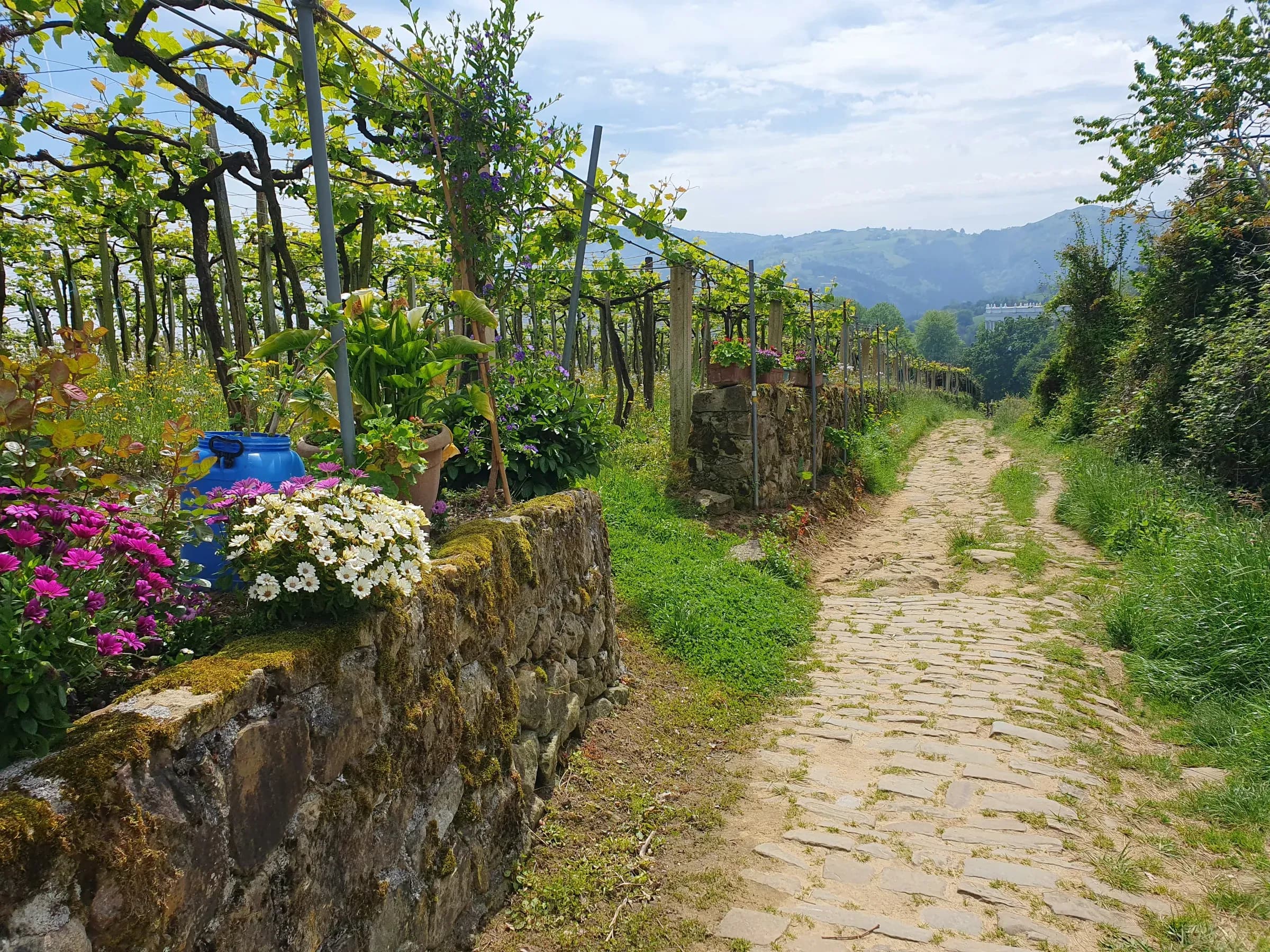
Vineyards are close to the sea, often on gentle hills or valleys.
The soils are mostly granite with sand, which drain well after the frequent rain.
The sea breezes help dry the vines and prevent disease.
The region is divided into five areas called sub-zones:
Val do Salnés, O Rosal, Condado do Tea, Soutomaior, and Ribeira do Ulla.
Each makes slightly different wines — from light and zesty near the coast to richer and rounder inland.
3. Grapes
| Grape | Colour | Description | Role |
|---|---|---|---|
| Albariño | White | Crisp, aromatic grape with flavours of lemon, peach, and sea air | Main grape of Rías Baixas (over 95 % of vineyards) |
| Treixadura | White | Softer acidity, floral and pear notes | Adds weight in inland blends |
| Loureira | White | Fragrant, herbal, lime-like aromas | Brings perfume in southern blends |
| Local Reds | Red | Light, fruity, high-acid wines from grapes like Caiño Tinto and Espadeiro | Tiny production, but quality is rising |
4. How the Vines Are Grown
Because the region is rainy, vines are trained high on granite pergolas (parras) so that air can circulate and keep grapes dry.
Many new vineyards also use vertical trellising (VSP) to make pruning and picking easier.
Grapes are mostly hand-harvested, and yields are moderate.
5. Winemaking
Most wines are made in stainless-steel tanks to keep them fresh and fruity.
Some winemakers age the wine on its lees (the yeast left after fermentation) to make it smoother and more complex.
A few use oak barrels or let the wine age longer before release, creating rounder and richer styles.
Sparkling Albariño wines are now starting to appear too.
6. Typical Wine Styles
| Style | Taste | Body | Examples |
|---|---|---|---|
| Classic Albariño | Lemon, green apple, salty freshness | Light-medium | Do Ferreiro, Pazo de Señorans |
| Lees-Aged Albariño | Ripe peach, creamy texture | Medium | Zárate, Granbazán |
| Blended (O Rosal / Condado) | Floral, round, softer acidity | Medium | Terras Gauda, Santiago Ruiz |
All share a fresh, clean finish and go perfectly with seafood.
7. The Reds
A very small amount of red wine is made from grapes like Caiño Tinto and Espadeiro.
These reds are light, aromatic, and high in acidity, similar in feel to cool-climate Pinot Noir.
They’re rare but increasingly admired by sommeliers.
8. Market and Trends
- Production: about 300–400 000 hl of wine each year.
- Exports: around 40 %, mainly to the USA, UK, and Ireland.
- Co-operatives: important because most growers have tiny plots.
- Trends:
- More wines aged longer on lees for richness.
- Some producers making small amounts of red wine.
- Growing interest in sparkling Albariño.
- Albariño plantings increasing worldwide – now found in Portugal, France, New Zealand, Australia, and the USA, showing its global appeal.
9. Summary
Rías Baixas is Spain’s Atlantic white-wine region, famous for Albariño, a grape that gives wines full of freshness, fruit, and a touch of sea breeze.
Its mix of cool climate, granite soils, and skilled winemaking creates wines that are vibrant, elegant, and perfect with seafood.
New trends in ageing, blending, and even red-wine production show how Rías Baixas continues to evolve while keeping its unique coastal character.
Check your knowledge
Explorer quiz