Navarra and Aragón
1. Overview
Navarra and Aragón sit in northeastern Spain, between Rioja and Catalonia, and are known as the homeland of Garnacha (Grenache).
These neighbouring regions produce a wide range of wines — from fresh rosados (rosés) and elegant reds in Navarra to rich, old-vine Garnacha in Aragón’s rugged highlands.
Both combine tradition and modernity, with winemakers now focusing on balance, freshness, and regional identity.
2. Geography and Climate
Navarra
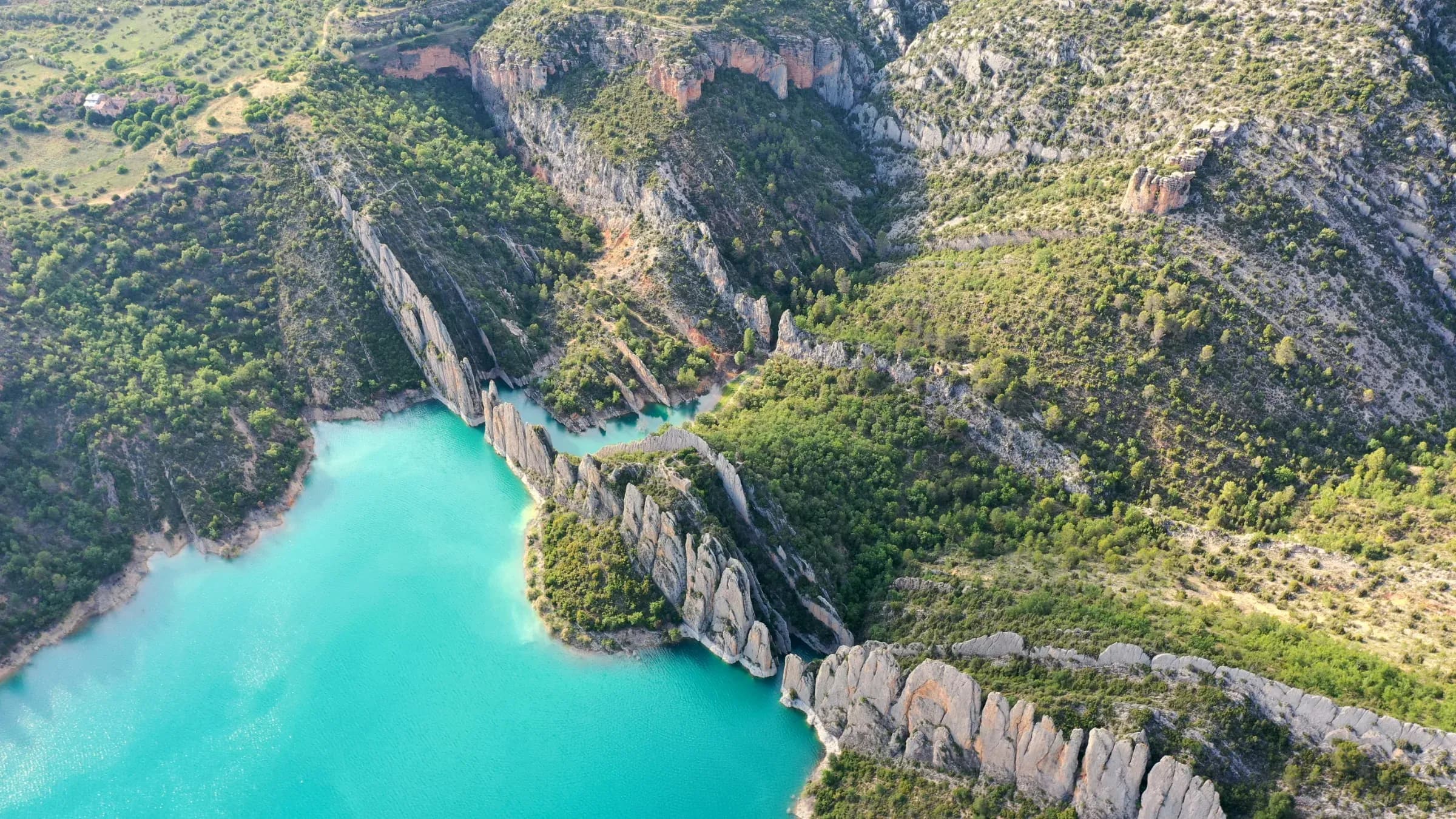
Navarra’s vineyards stretch from the cool Pyrenean foothills to the warm Ebro valley.
The region’s mix of Atlantic and Mediterranean climates allows both crisp rosés and structured reds.
Rainfall is moderate (400–600 mm), and soils are mainly limestone and clay.
Aragón
Aragón’s four main wine areas — Campo de Borja, Cariñena, Calatayud, and Somontano — cover a wide range of altitudes (200–1,000 m).
The climate is continental: hot, dry summers, cold winters, and strong winds known as the Cierzo that keep the vines healthy.
Soils are poor and stony, forcing the vines to dig deep and concentrate flavour.
3. Key Grapes
| Grape | Colour | Role | Typical Flavours |
|---|---|---|---|
| Garnatxa (Grenache) | Red | Main grape; power and fruit | Red cherry, plum, spice |
| Carinyena (Carignan) | Red | Structure and acidity | Black fruit, herbs, graphite |
| Tempranillo | Red | Balance and finesse | Cherry, tobacco, spice |
| Syrah | Red | Adds colour and richness | Blackberry, pepper |
| Garnatxa Blanca | White | Textural whites | Pear, almond, honey |
| Chardonnay / Viura | White | Crisp and modern whites | Citrus, apple, floral |
| Gewürztraminer | White | Somontano specialty | Lychee, rose, exotic spice |
4. Winemaking and Styles
Navarra is best known for its rosado wines, made mostly from Garnacha using the saignée method (short skin contact).
These are dry, fruity, and fresh.
Red wines blend Garnacha and Tempranillo for medium-bodied, balanced styles with moderate oak.
Aragón’s reds are generally fuller, made from old bush-trained Garnacha vines grown at high altitude.
Modern winemakers now harvest earlier, use larger oak barrels or concrete vats, and focus on freshness instead of heaviness.
Whites in Somontano (north Aragón) are aromatic and expressive, with grapes like Chardonnay and Gewürztraminer showing great success.
5. Regional Highlights
| Region | Altitude | Main Grapes | Typical Style |
|---|---|---|---|
| Navarra | 300–600 m | Garnatxa, Tempranillo | Dry rosados, elegant reds |
| Campo de Borja | 350–700 m | Garnatxa | Ripe, powerful, spicy reds |
| Cariñena | 400–800 m | Garnatxa, Carinyena | Firm, structured reds |
| Calatayud | 550–1,000 m | Garnatxa | Concentrated mountain reds |
| Somontano | 350–1,000 m | Tempranillo, Cabernet, Gewürztraminer | Modern reds, aromatic whites |
6. Leading Producers
Navarra: Chivite • Ochoa • Artazu • Otazu • Inurrieta
Aragón: Borsao • Alto Moncayo • Ateca • Breca • Frontonio • Enate • Viñas del Vero
7. Modern Trends
- Revival of old-vine Garnacha, especially in Aragón’s mountain vineyards
- Emphasis on altitude and freshness to counter hot summers
- Growth of dry, gastronomic rosado in Navarra
- Expansion of organic and sustainable viticulture
- More diverse whites, particularly aromatic varieties in Somontano
8. Summary
Navarra and Aragón showcase Spain’s new generation of balanced, regionally expressive wines.
Navarra blends Atlantic elegance with Mediterranean warmth, while Aragón’s high-altitude vineyards deliver Garnacha with richness and energy.
Together, they show how tradition and innovation can coexist in Spain’s dynamic northeast.
Check your knowledge
Enthusiast quiz