La Mancha & Valdepeñas
La Mancha & Valdepeñas – The Heart of Spain’s Central Plateau
1. Overview
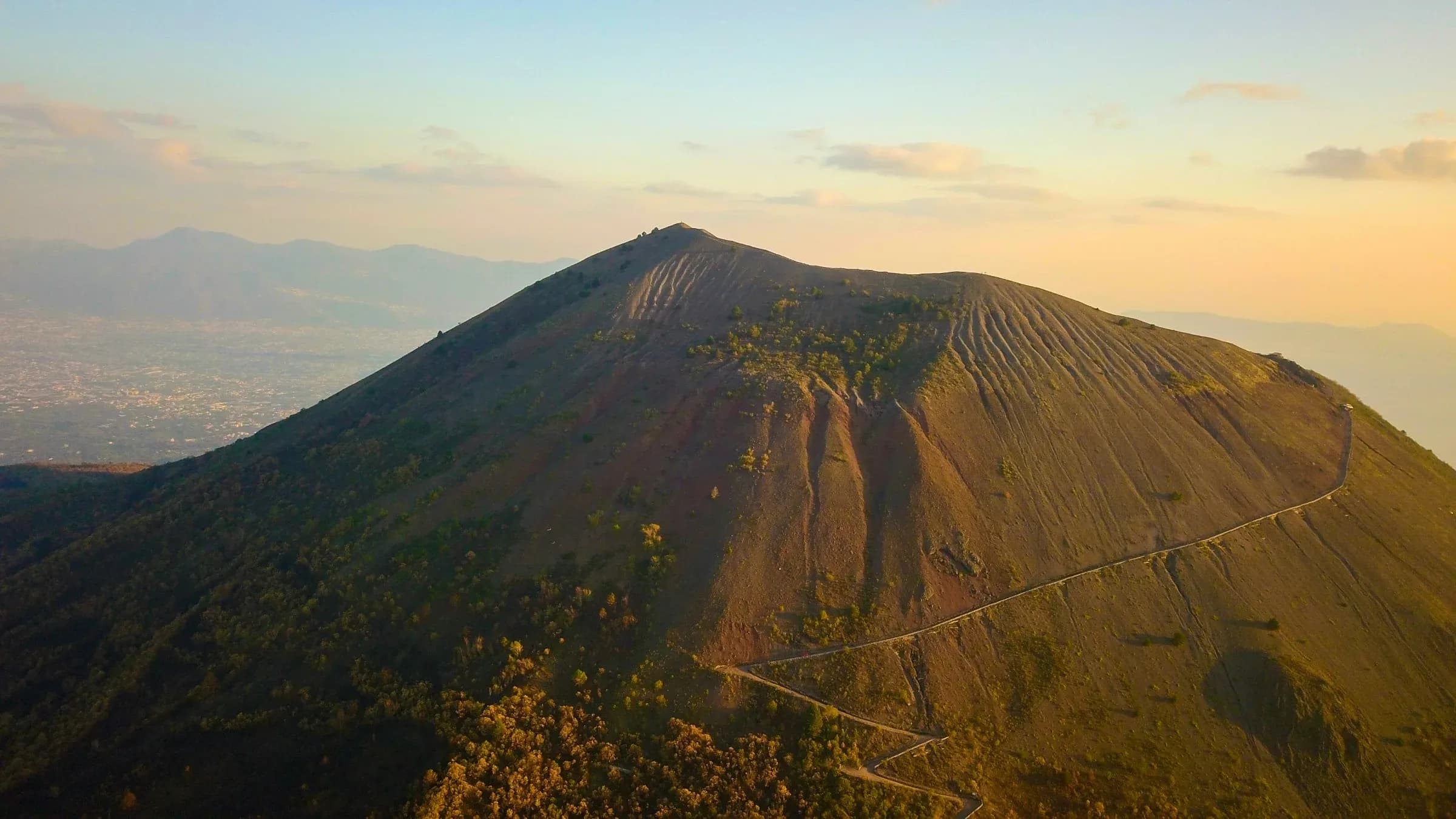
La Mancha and Valdepeñas sit in the centre of Spain’s Meseta Central, a vast high-altitude plateau shaped by extreme temperatures, low rainfall, and intense sunshine.
Together they form the largest continuous vineyard area in the world:
- La Mancha DO – ~155,000 ha (Europe’s largest DO)
- Valdepeñas DO – ~22,000 ha, historically renowned for ageworthy Tempranillo
La Mancha is known for value, volume, and rapid modernisation; Valdepeñas for traditional, matured Tempranillo. Both regions—long associated with cooperatives—are now in the midst of a quiet quality revolution powered by site selection, improved viticulture, and modern winemaking.
2. History & Context
Viticulture dates back to Roman times. For centuries, the region produced enormous quantities of wine, often stored in traditional clay amphorae called tinajas.
By the mid-20th century, Airén became the world’s most planted grape (primarily due to La Mancha).
The last 40 years saw dramatic change:
- Stainless steel, temperature control, and mechanisation
- Growth of international varieties
- Irrigation reforms and canopy management improvements
- A shift from bulk wine to more terroir- and variety-driven bottlings
Valdepeñas retained prestige for Tempranillo (locally Cencibel), especially in Reserva and Gran Reserva styles, offering Rioja-like ageworthiness at accessible prices.
3. Geography & Climate
Both DOs sit at 600–800 m altitude on the Meseta.
Climate
- Extreme continental: 40°C summers, –10°C winters
- Very low rainfall: ~300–400 mm/year
- Strong winds (important for disease control but can damage vines)
- High UV exposure → phenolic development + sunburn risk
- Large diurnal shifts help preserve acidity in Tempranillo and Syrah
Soils
- Calcareous clay
- Sandy loam
- Limestone outcrops
- Pockets of volcanic material (south of Valdepeñas)
- Low organic matter, drought-prone
4. Key Denominations
4.1 La Mancha DO
A vast, diverse region with modern cooperatives and increasingly ambitious private wineries.
Altitude: 600–800 m
Climate: Hot, dry continental
Key white grapes: Airén, Macabeo, Verdejo, Sauvignon Blanc, Chardonnay
Key black grapes: Tempranillo (Cencibel), Garnacha, Syrah, Cabernet Sauvignon, Petit Verdot
Styles
- Modern stainless-steel whites from Airén, Verdejo, and Sauvignon Blanc
- Fruity joven reds (carbonic maceration)
- Structured varietal reds from Tempranillo, Syrah, Cabernet Sauvignon
- Oaked expressions showing ripe fruit and moderate tannins
- High-altitude vineyards producing more refined Tempranillo and Syrah
Producers (examples)
- Félix Solís / Viña Albali
- Virgen de las Viñas (advanced cooperative)
- Bodegas Volver
- Allozo
4.2 Valdepeñas DO
Smaller and more cohesive, with a reputation for oak-aged Tempranillo.
Altitude: ~700 m
Climate: Hot, very dry continental
Key white grapes: Airén, Macabeo
Key black grapes: Tempranillo, Cabernet Sauvignon, Garnacha, Syrah
Styles
- Tempranillo Crianza, Reserva, Gran Reserva with tobacco, leather, and dried fruit notes
- Juicy, perfumed joven styles
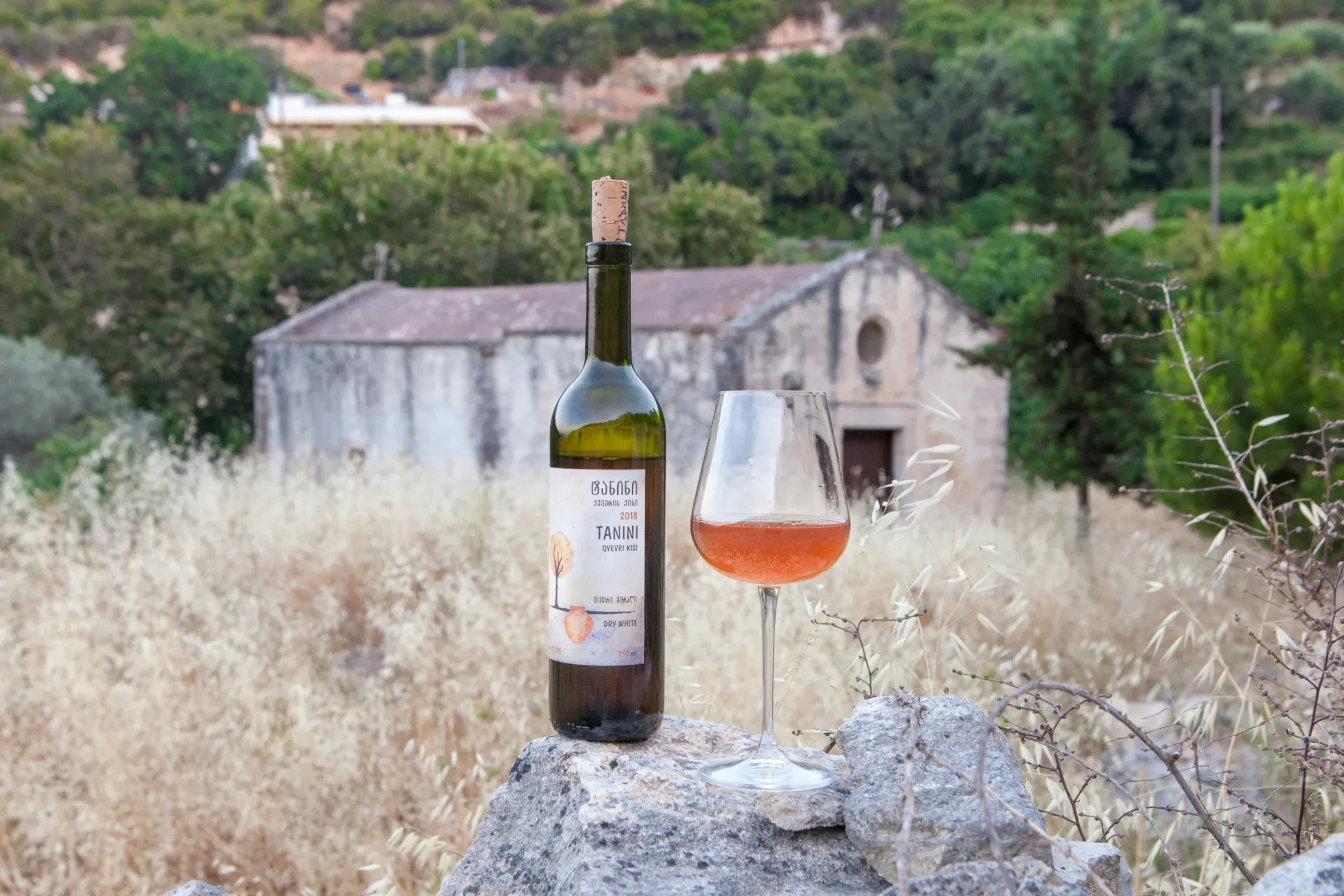
- Amphora-aged wines inspired by traditional tinaja heritage
Producers (examples)
- Navarro López
- Bodegas Arúspide
- Los Llanos (Félix Solís)
Valdepeñas vs. Rioja
- Valdepeñas Tempranillo: riper, fuller, quicker ageing
- Rioja Tempranillo: more red fruit, higher acidity, slower evolution
5. Grape Varieties (with skin thickness, soils & hazards)
| Variety | Colour | Vigour & Yield | Budding / Ripening | Preferred Soils | Skin Thickness | Traits | Wine Styles | Hazards |
|---|---|---|---|---|---|---|---|---|
| Airén | White | Very high vigour & yield | Early bud, mid ripening | Sandy loam, limestone | Thin | Neutral, subtle apple/pear; highly drought-tolerant | Clean whites, blends | Sunburn, wind damage |
| Macabeo | White | Medium-high | Early bud, early ripening | Clay-limestone | Thin | Floral, soft textures | Light whites | Oxidation, early rot |
| Verdejo | White | Moderate | Early bud, early-mid ripening | Sandy loam, gravel | Medium | Herbal, fennel, citrus aromas | Aromatic whites | Sunburn, oxidation |
| Chardonnay | White | Moderate | Early bud, mid ripening | Marl, limestone | Medium-thin | Citrus, stone fruit; oak-friendly | Still whites | Frost, sunburn |
| Tempranillo (Cencibel) | Black | Moderate | Early bud, early ripening | Clay-limestone | Medium | Strawberry, plum, tobacco; soft tannins | Joven → Gran Reserva | Spring frost, heat stress |
| Garnacha | Black | Moderate-high | Early bud, late ripening | Sandy, stony soils | Medium-thick | Warm, spicy, red-fruited | Joven reds, blends | Coulure; good drought resistance |
| Syrah | Black | Moderate | Mid-late ripening | Clay-limestone | Medium-thick | Pepper, dark fruit, structure | Varietal reds | Sunburn, overripening |
| Cabernet Sauvignon | Black | High | Late ripening | Gravel-clay, limestone | Thick | Cassis, tobacco, firm tannin | Structured reds | Ripening difficulty in cool years |
| Petit Verdot | Black | Moderate-low | Very late ripening | Clay, limestone | Thick | Black fruit, spice, high acidity | Blends or varietals | Under-ripeness risk |
Note: Airén remains one of the world’s most drought-resistant white grapes and, when yields are controlled, produces crisp, neutral, versatile wines.
6. Viticulture & Training Systems
Training
- Bush vines (vaso): dominant for Airén and old Tempranillo
- Protects grapes from direct sun
- Suited to dry-farming and wind exposure
- Espaldera (trellis): used for mechanisation; ideal for Syrah, Cabernet, modern Tempranillo, Verdejo
Climate adaptation
- Drought-tolerant rootstocks
- Precision irrigation (where allowed)
- Night harvesting
- Soil moisture conservation (mulching, cover crops)
- Shade cloth for young vineyards
Old vines in Valdepeñas often yield thick-skinned, concentrated Tempranillo ideal for extended oak ageing.
7. Winemaking
Whites
- Stainless-steel fermentation
- Airén: clean, subtle, fresh
- Verdejo/SB: aromatic, grassy, citrus-driven
- Some amphora (tinaja) revival
Reds
- Carbonic maceration for young, fruity tempranillos
- Crianza / Reserva / Gran Reserva for structured, mature wines
- Syrah & Cabernet: ripe, peppery, moderate tannin
- Increasing use of French oak for refined styles
Tinaja revival
Producers such as Arúspide use clay amphora for oxygen-gentle fermentation and textural complexity.
8. Styles & Sensory Profiles
Whites
- Airén: light, crisp, subtle apple/pear
- Verdejo: fennel, citrus, grassy notes
- Chardonnay: ripe, rounded, sometimes oaked
Reds
- Tempranillo joven: juicy, strawberry, soft tannin
- Tempranillo Reserva / Gran Reserva: dried cherry, leather, tobacco, vanilla
- Syrah/Cabernet: dark fruit, pepper, fuller body
Valdepeñas signature
Structured Tempranillo with leather, spice, and gentle maturity.
9. Production Overview
| DO | Area (ha) | Altitude | Climate | Main Grapes | Core Styles |
|---|---|---|---|---|---|
| La Mancha | ~155,000 | 600–800 m | Hot continental | Airén, Tempranillo, Verdejo, Syrah | Fresh whites, joven reds, varietals |
| Valdepeñas | ~22,000 | ~700 m | Hot continental | Tempranillo, Airén | Crianza/Reserva/Gran Reserva reds |
10. Wines Worth Seeking Out
La Mancha
- Single-varietal Airén (modern versions)
- High-altitude Tempranillo for structure and freshness
- Syrah from cooler northern plots
- Verdejo as a high-value aromatic white
Valdepeñas
- Tempranillo Reserva / Gran Reserva
- Carbonic Tempranillo joven
- Tinaja-fermented wines (e.g., Arúspide)
11. Vineyards & Cellars Worth Visiting
La Mancha
- Old Airén bush vines near Tomelloso
- Cooperative visits around Socuéllamos
- Modern wineries in Alcázar de San Juan
Valdepeñas
- Historic underground limestone cellars
- Navarro López – traditional meets modern
- Arúspide – amphora practices
12. Modern Trends
- Reduction of Airén in favour of higher-quality whites
- Premiumisation of Tempranillo
- More single-vineyard expressions (especially Valdepeñas)
- Amphora revival
- Climate-adaptive viticulture
- Expansion of sustainability and organic certifications
13. Summary
La Mancha and Valdepeñas define the modern identity of Spain’s central plateau.
La Mancha is increasingly moving from bulk to clean, modern, high-value wines, while Valdepeñas maintains its tradition of aged Tempranillo with distinctive maturity and structure.
Together they show how extreme climate and modern technique can create expressive, affordable wines with growing international relevance.
Check your knowledge
Expert quiz