La Mancha & Valdepeñas
La Mancha & Valdepeñas
1. Overview
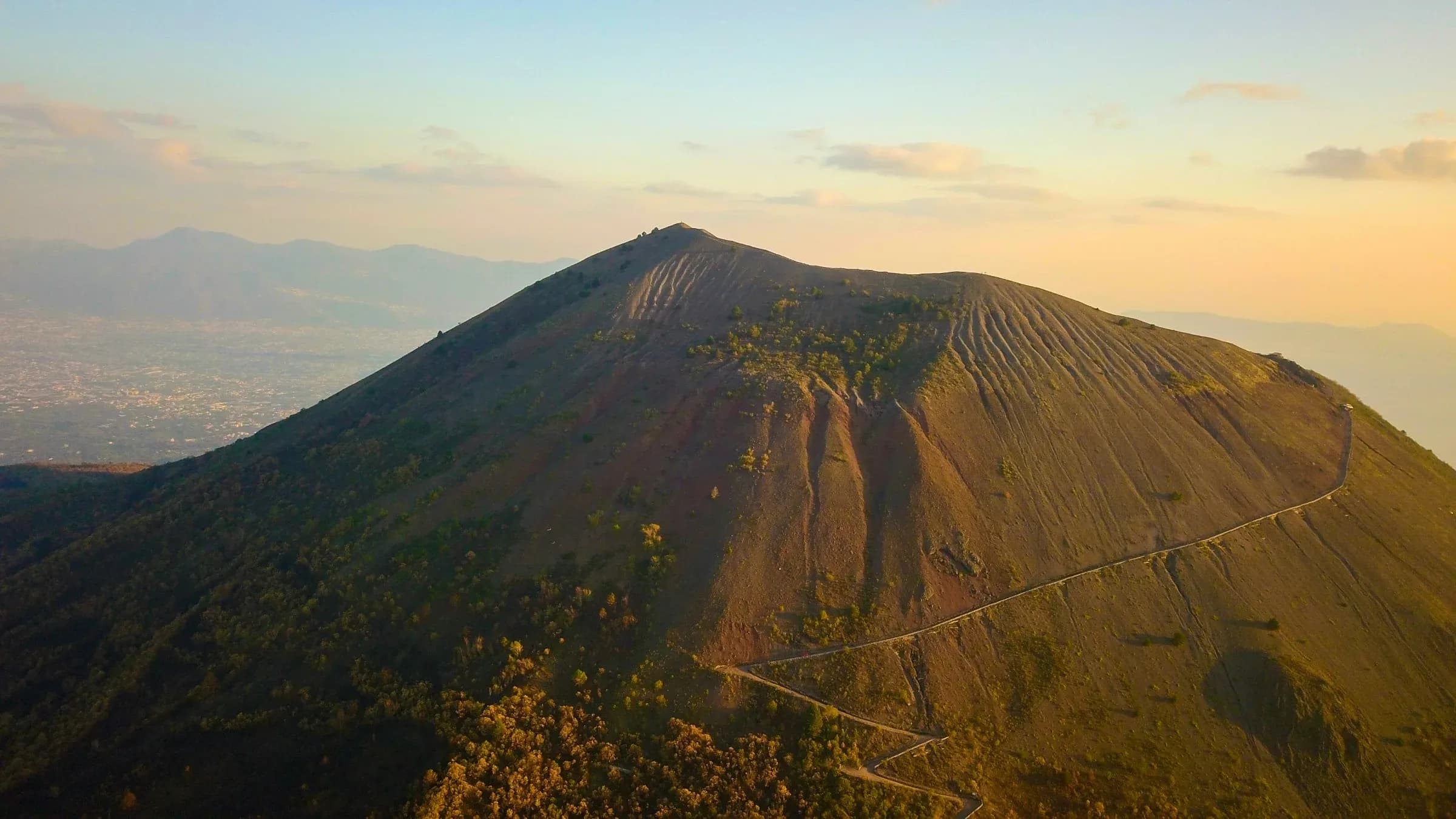
La Mancha and Valdepeñas lie in the centre of Spain on the Meseta Central, a high, dry plateau known for its intense summers, cold winters, and huge skies.
La Mancha DO is the largest wine region in Europe, famous for clean, modern whites and easy-drinking reds.
Valdepeñas DO is smaller and more focused, known especially for its oak-aged Tempranillo (Cencibel) wines.
2. Climate & Landscape
Both regions sit at 600–800 m altitude and share an extreme continental climate:
- Hot summers (40°C), very cold winters
- Low rainfall (~300–400 mm)
- Strong winds that help keep vines healthy
- High sunlight and UV exposure
Soils are mainly limestone, clay, and sandy loam, with low organic matter and excellent drainage.
This landscape favours drought-tolerant vines and varieties that ripen reliably in heat.
3. La Mancha DO
The largest DO in Spain and one of the most modernised. Though long associated with cooperatives and bulk wine, La Mancha today produces clean, fresh, well-made wines at excellent value.
Main grapes:
- White: Airén, Verdejo, Macabeo, Sauvignon Blanc, Chardonnay
- Black: Tempranillo (Cencibel), Garnacha, Syrah, Cabernet Sauvignon, Petit Verdot
Styles:
- Fresh, fruity whites (often stainless steel)
- Young reds made with carbonic maceration
- Varietal Tempranillo, Cabernet, Syrah
- Increasing number of higher-altitude, more structured red wines
Producers to know: Virgen de las Viñas, Félix Solís / Viña Albali, Bodegas Volver, Allozo.
4. Valdepeñas DO
South of La Mancha, Valdepeñas is smaller, more coherent, and best known for Tempranillo aged in oak.
Grapes:
- Black: Tempranillo (Cencibel), Cabernet Sauvignon, Garnacha, Syrah
- White: Airén, Macabeo
Styles:
- Crianza, Reserva, and Gran Reserva Tempranillo with notes of dried cherry, spice, tobacco, and leather
- Juicy joven wines with soft tannin
- Some amphora-aged wines reconnecting with local tradition
Producers to know: Navarro López, Arúspide, Los Llanos.
Valdepeñas vs Rioja:
Valdepeñas Tempranillo is generally riper, fuller, and quicker to mature due to its warmer, drier climate.
5. Key Grapes & Their Traits
| Grape | Colour | Style | Typical Traits |
|---|---|---|---|
| Airén | White | Fresh, neutral whites | Light, clean, subtle apple/pear; very drought-tolerant |
| Verdejo | White | Aromatic whites | Citrus, fennel, grassy notes |
| Macabeo | White | Soft whites | Floral, gentle, easy-drinking |
| Tempranillo (Cencibel) | Black | Joven → Gran Reserva reds | Strawberry, plum, tobacco; smooth tannins |
| Garnacha | Black | Warm, spicy reds | Red fruit, spice, generous alcohol |
| Syrah | Black | Varietal reds | Dark fruit, pepper, structure |
| Cabernet Sauvignon | Black | Structured reds | Cassis, tobacco, firm tannins |
6. Vineyard Practices
- Bush vines (vaso) are common for old Airén and Tempranillo — ideal for dry, windy, hot conditions.
- Trellised vines (espaldera) are used for mechanisation and canopy control, especially in newer plantings.
- Irrigation is limited but increasingly used with precision to manage drought.
- Night harvesting helps preserve freshness in white and young red wines.
7. Winemaking
- Whites: stainless steel, cool fermentation → crisp and fruity.
- Reds: from fresh jóvenes to oak-aged Crianzas, Reservas, and Gran Reservas.
- Carbonic maceration is common in youthful Tempranillo.
- Increasing interest in amphora (tinaja) for texture and tradition.
8. Wines Worth Trying
From La Mancha:
- Crisp, modern Airén
- Verdejo with citrus and herbal notes
- High-altitude Tempranillo
- Peppery Syrah
From Valdepeñas:
- Reserva and Gran Reserva Tempranillo (classic tobacco-leather maturity)
- Juicy joven Tempranillo
- Amphora-fermented wines (e.g., Arúspide)
9. Visiting the Regions
La Mancha:
- Old bush-vine Airén near Tomelloso
- Cooperatives around Socuéllamos
- Modern wineries in Alcázar de San Juan
Valdepeñas:
- Historic underground limestone cellars
- Navarro López (classic reds)
- Arúspide (amphora-focused)
10. Summary
La Mancha delivers clean, modern, great-value wines across many styles, while Valdepeñas stands out for its matured Tempranillo and limestone-influenced reds.
Both regions are adapting quickly to climate extremes and modern tastes, using altitude, canopy management, and updated winemaking.
Together they represent the evolving identity of Spain’s central plateau — where intense sunlight, extreme climate, and modern techniques create expressive and affordable wines.
Check your knowledge
Enthusiast quiz