Jerez
Jerez–Xérès–Sherry DO
1. Overview
Jerez–Xérès–Sherry is a famous wine region in Andalusia, in southern Spain, known for producing a wide range of fortified wines using the traditional solera system.
The wines come from the “Sherry Triangle”: Jerez de la Frontera, Sanlúcar de Barrameda, and El Puerto de Santa María.
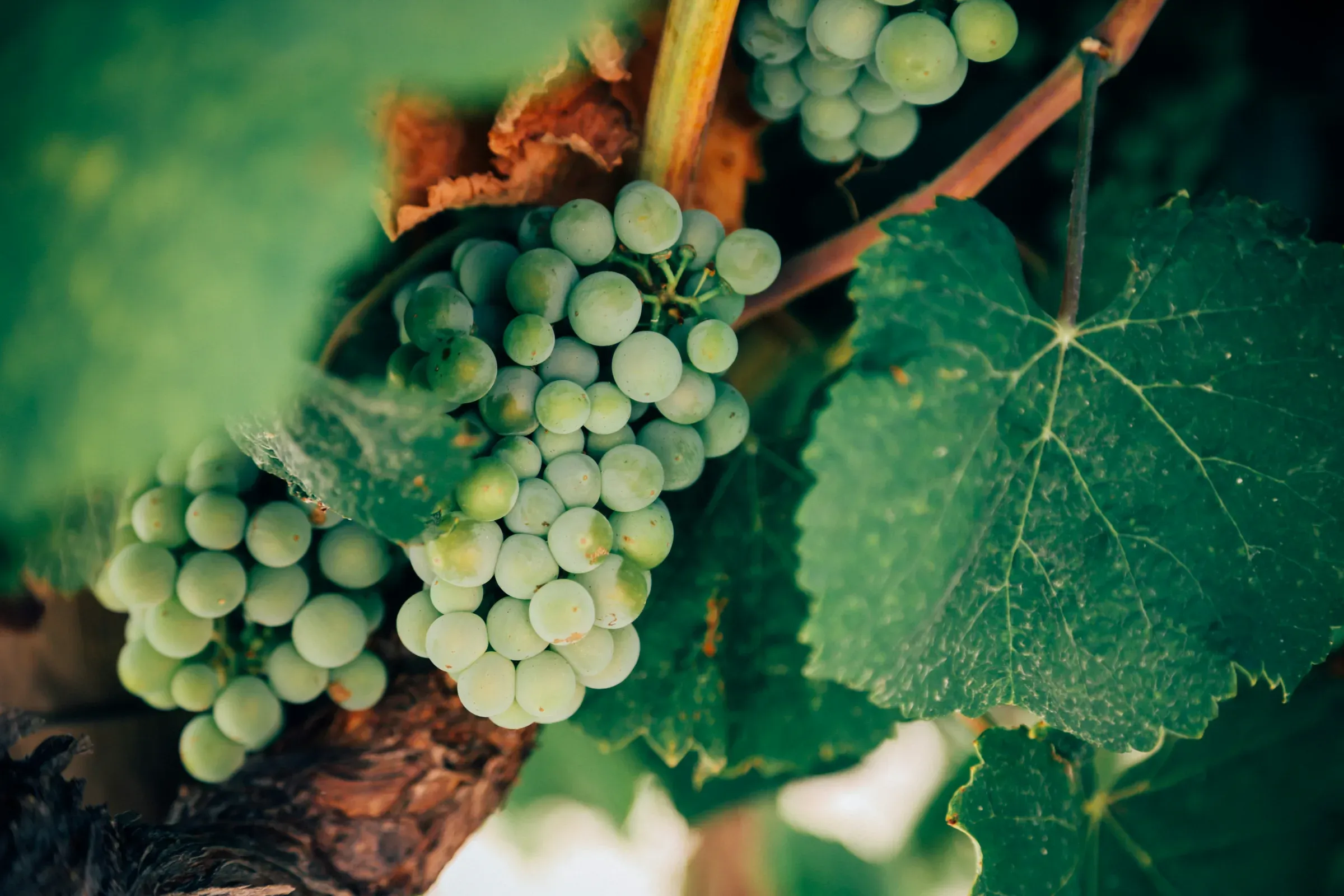
Dry Sherries are made mostly from Palomino, while sweet styles come from Pedro Ximénez (PX) and Moscatel.
2. Climate & Soils
- Hot Mediterranean weather with strong Atlantic influence
- Two key winds:
- Poniente (cool, humid) → helps flor grow
- Levante (hot, dry) → encourages evaporation and concentration
- The region’s famous albariza soils (white, chalk-rich) store winter rain and help vines survive summer drought.
These bright, moisture-holding soils are essential for producing high-quality Sherry base wines.
3. Main Grapes
| Grape | Style | Key Traits |
|---|---|---|
| Palomino Fino | Dry styles (Fino, Manzanilla, Amontillado, Oloroso) | Very neutral flavour; perfect for flor ageing |
| Pedro Ximénez (PX) | Naturally sweet wines | Raisin, fig, molasses; grapes often sun-dried |
| Moscatel | Aromatic sweet wines | Orange blossom, floral sweetness |
4. The Solera System (Level 3 Explanation)
Sherry is aged using a solera, a system of stacked barrels where older wine and younger wine are mixed gradually over time.
How it works:
- The oldest wine is in the solera (bottom row).
- Above it are layers called criaderas, holding progressively younger wines.
- A small portion is taken from the solera for bottling.
- Each layer is topped up with wine from the tier above, and the youngest wine enters at the top.
What this achieves:
- A consistent house style every year
- Wines with layers of complexity from blending different ages
- Very old components remain alive within the solera for decades
This method is unique to Sherry in scale and precision.
5. Biological vs Oxidative Ageing
Biological Ageing (under flor)
Flor is a natural layer of yeast that forms on the wine surface in partially filled barrels.
It protects the wine from oxidation and creates fresh, savoury, salty flavours.
- Fino (Jerez): light, saline, almond, dough notes
- Manzanilla (Sanlúcar): even lighter and more coastal; chamomile, sea spray
Oxidative Ageing (no flor)
Wines age with oxygen, becoming darker and richer.
- Oloroso: walnut, toffee, leather
- PX and Moscatel: naturally sweet, raisiny, very rich
Mixed Ageing
- Amontillado: starts under flor → finishes oxidatively
- Palo Cortado: rare style combining aromatics of Amontillado + body of Oloroso
6. Official Sherry Styles
Dry (from Palomino):
- Fino
- Manzanilla
- Amontillado
- Palo Cortado
- Oloroso
Naturally sweet:
- Pedro Ximénez (PX)
- Moscatel
Blended sweet styles:
- Pale Cream
- Medium
- Cream
En Rama:
Lightly filtered versions, offering more intensity and purity.
7. Key Producers
- González Byass (Tío Pepe, Palmas series)
- Valdespino (Inocente Fino, Macharnudo)
- Hidalgo–La Gitana (Manzanilla)
- Barbadillo (Pastora, Solear)
- Equipo Navazos (La Bota series)
- El Maestro Sierra
- Ramiro Ibáñez (Cota 45) and Willy Pérez (terroir-driven Palomino)
8. Wines to Try
- Fino Inocente (Valdespino)
- Tío Pepe En Rama (González Byass)
- La Gitana Manzanilla
- Amontillado VORS (El Maestro Sierra)
- Palo Cortado Apostoles (González Byass)
- Any PX VORS for sweet wine lovers
9. Summary
Sherry combines special soils, unique ageing methods, and distinctive yeast (flor) to create some of the world’s most complex wines.
The solera system blends many years of ageing, giving Sherry depth and consistency.
From light Manzanilla to powerful Oloroso and sweet PX, the DO offers an unmatched range of styles.
Check your knowledge
Enthusiast quiz