Burgundy Spotlight
Burgundy Viticulture and Winemaking
1. Climate and Environment
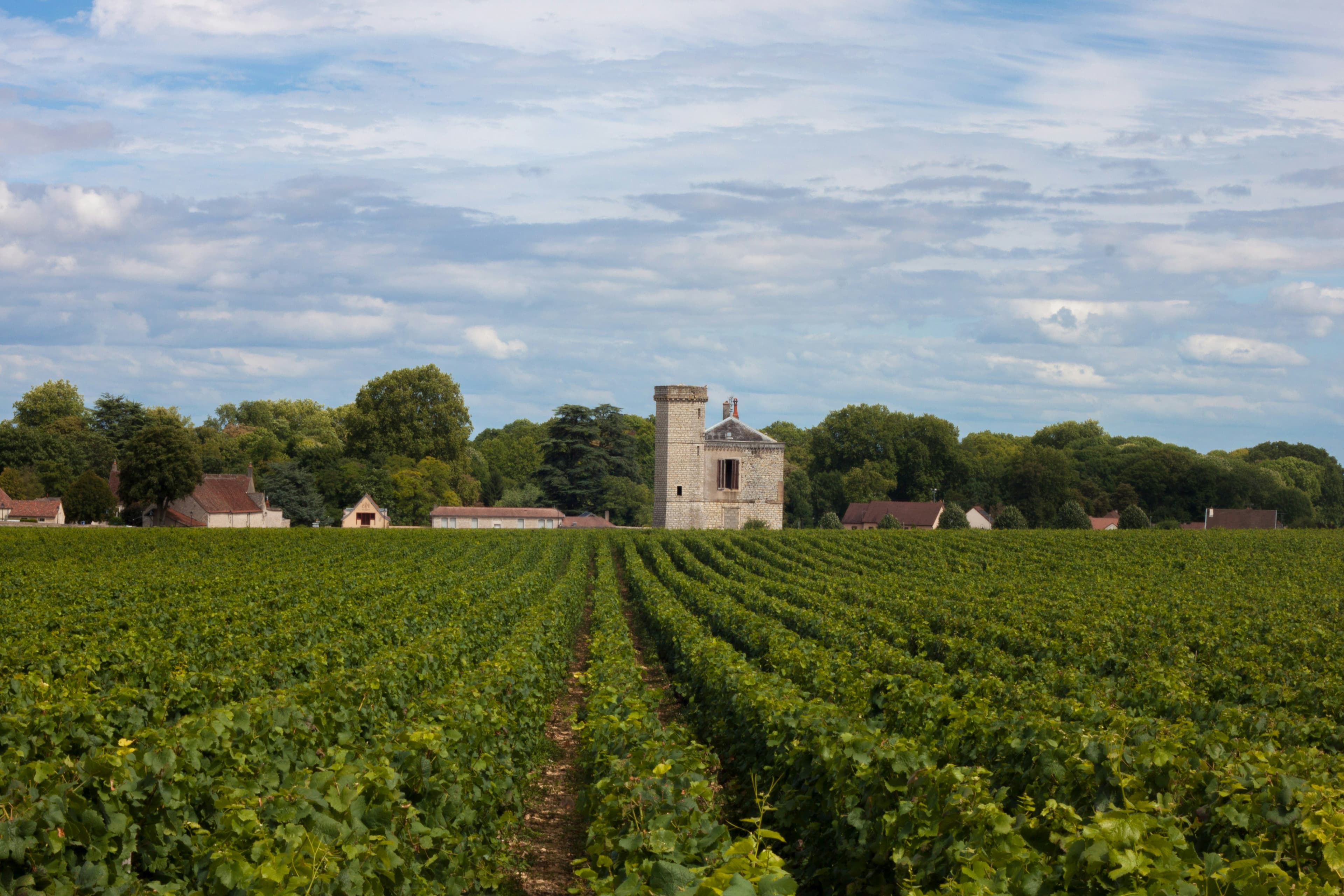
Burgundy lies in eastern France, stretching from Chablis in the north to the Mâconnais in the south. It has a cool continental climate, with cold winters, warm summers, and strong year-to-year variation.
Rainfall (around 650–700 mm per year) often comes in spring and autumn. The region is highly prone to spring frost, hail, and mildew, all of which can severely reduce yields. Warm days and cool nights help grapes ripen slowly, keeping natural acidity and aromatic precision.
2. Soils and Terroir
Burgundy’s vineyards lie on limestone and marl bedrock, with varying clay and gravel. Small differences in slope and exposure create many distinct plots known as climats.
- Chablis: Kimmeridgian limestone; produces high-acid, mineral Chardonnay.
- Côte de Nuits: Limestone-clay soils; structured, long-lived Pinot Noir.
- Côte de Beaune: Marl-limestone with more iron; elegant reds and world-class Chardonnays.
- Côte Chalonnaise: Limestone-clay; slightly warmer; lighter reds and whites.
- Mâconnais: Warmest zone; limestone and marl; ripe, fruity Chardonnay.
The Côte de Nuits and Côte de Beaune together form the Côte d’Or (“Golden Slope”), Burgundy’s qualitative core. Its east-facing limestone slopes and dense concentration of classified vineyards justify this special classification.
3. Main Grape Varieties
| Grape | Type | Acidity | Tannins | Key Flavours | Hazards |
|---|---|---|---|---|---|
| Pinot Noir | Red | Medium–High | Medium, fine | Red cherry, raspberry, earth, mushroom | Frost, rot, mildew |
| Chardonnay | White | Medium–High | — | Green apple, citrus, hazelnut, butter | Frost, mildew, botrytis |
| Aligoté | White | High | — | Citrus, green apple | Frost, coulure |
(César, Tressot, Pinot Blanc, Sacy, and Melon de Bourgogne are also permitted but rarely used.)
4. Vineyard Management and Yields
Vineyards are densely planted (8,000–10,000 vines/ha) and pruned using Guyot. Steep slopes require manual work and hand-harvesting.
Typical yields:
- Regional wines: ~55–60 hl/ha
- Village: ~50 hl/ha
- Premier Cru: ~45 hl/ha
- Grand Cru: ~35 hl/ha
Hazards: Spring frost (especially Chablis, Beaune) and hail (Volnay, Pommard). Producers use candles, fans, and sprinklers for frost protection. Many now work organically or biodynamically.
5. Winemaking
Red Wines
Pinot Noir is usually partially destemmed and fermented in open-top vats. Extraction is gentle (punch-downs or pump-overs). Wines undergo malolactic conversion and age in 228 L oak barrels (often 20–50 % new).
White Wines
Chardonnay is gently pressed and fermented in stainless steel (Chablis) or oak barrels (Côte de Beaune, Mâconnais). Lees stirring (bâtonnage) adds texture. Most undergo malolactic conversion and mature for 6–18 months.
6. Subregions and Styles
- Chablis: 100 % Chardonnay; steely, high-acid, mineral style.
- Côte de Nuits: Structured, powerful Pinot Noir from villages such as Gevrey-Chambertin, Chambolle-Musigny, Vosne-Romanée.
- Côte de Beaune: Elegant reds (Pommard, Volnay) and rich whites (Meursault, Puligny-, Chassagne-Montrachet).
- Côte Chalonnaise: Lighter, fruit-forward wines (Mercurey, Rully, Givry, Montagny).
- Mâconnais: Warmest subregion; ripe, fruity Chardonnays (Mâcon, Pouilly-Fuissé).
Top producers include Domaine de la Romanée-Conti, Armand Rousseau, Domaine Leflaive, Coche-Dury, Louis Jadot, and Bouchard Père et Fils.
7. Classification and Ownership
Vineyards are ranked Grand Cru → Premier Cru → Village → Regional. Due to Napoleonic inheritance laws, ownership is fragmented — a single vineyard may have many proprietors, each bottling wine under the same name.
Two main producer types:
- Domaines: Growers who bottle their own wine.
- Négociants: Merchants who buy grapes or wine and bottle under their brand (e.g., Jadot, Drouhin).
8. Key Facts and Reputation
- Total area: ~30,000 ha; Grand Cru < 2 % of output.
- Annual production: ~1.5 million hL (≈ 200 million L).
- Style: High acidity, moderate alcohol, precise fruit, clear sense of place.
- Reputation: Based on terroir detail, scarcity, and long history of meticulous craftsmanship.
Burgundy’s small-scale vineyards, limestone soils, and focus on Pinot Noir and Chardonnay make it one of the world’s most prestigious — and expensive — fine-wine regions.
Check your knowledge
Enthusiast quiz