Burgundy Spotlight
Burgundy Overview
1. The Region
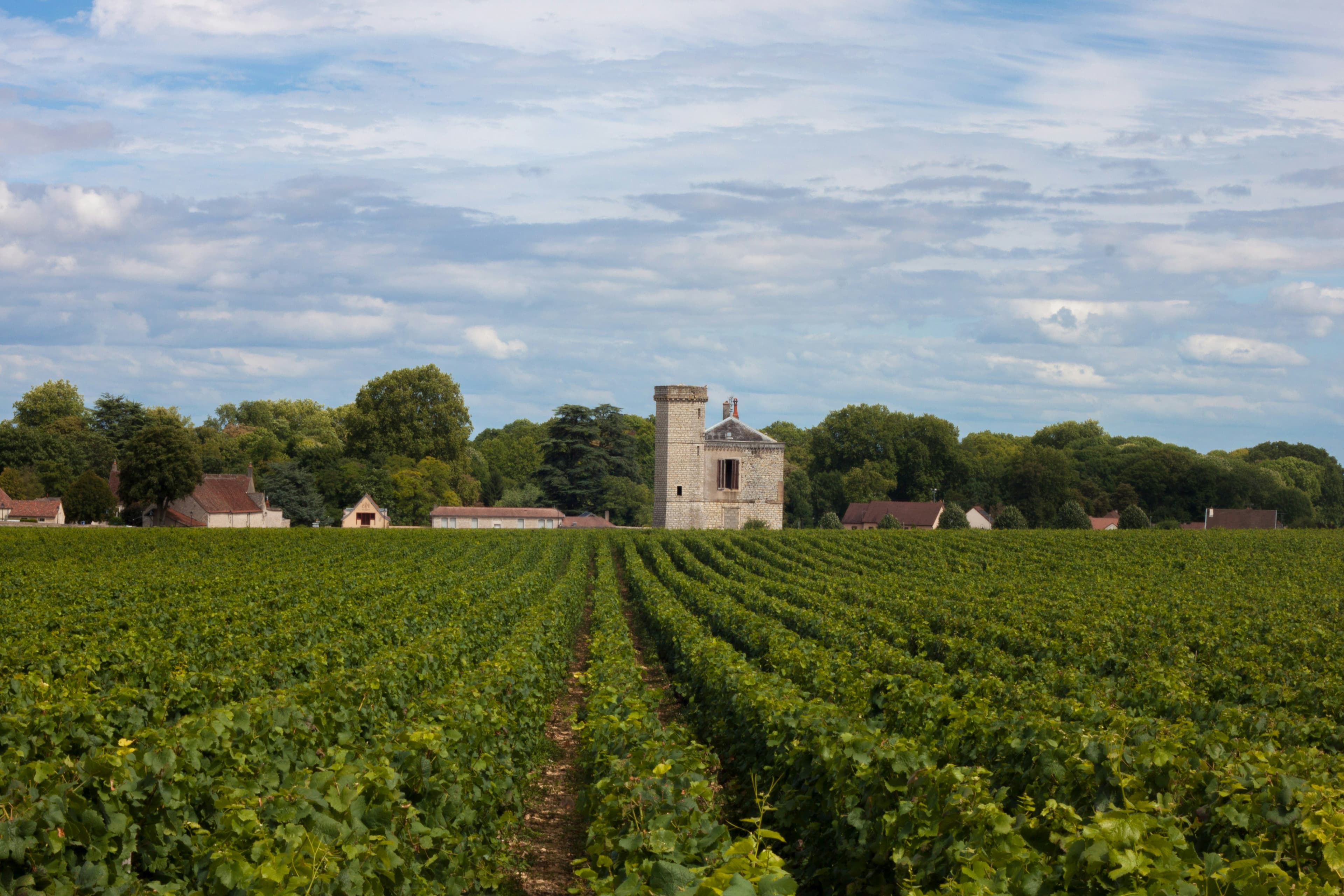
Burgundy is one of France’s most famous wine regions. It runs through eastern France, from Chablis in the north to the Mâconnais in the south. The area has a cool continental climate — cold winters and warm summers — which helps grapes ripen slowly and develop bright flavours.
The region can be affected by spring frost, hail, and heavy rain, which sometimes reduce the crop. Most vineyards sit on gentle slopes with limestone-rich soils, which help produce elegant, complex wines.
2. Main Grape Varieties
Burgundy is best known for just two main grapes:
- Pinot Noir (red): Makes light to medium-bodied wines with red fruit flavours like cherry and raspberry, often with earthy notes.
- Chardonnay (white): Produces wines with apple, citrus, and nutty flavours; some are crisp and mineral, others rich and creamy.
Other local grapes include Aligoté (crisp and citrusy) and a few minor varieties that are rarely seen.
3. Main Wine Areas and Styles
- Chablis: 100% Chardonnay; dry, high-acid, and flinty.
- Côte de Nuits: Focused on Pinot Noir; makes powerful, long-lived reds.
- Côte de Beaune: Produces both refined reds and rich, full-bodied whites.
- Côte Chalonnaise: Slightly warmer; softer, fruitier wines.
- Mâconnais: The warmest area; ripe, easy-drinking Chardonnays.
The Côte de Nuits and Côte de Beaune together form the Côte d’Or, the “Golden Slope” — Burgundy’s finest area, known for its ideal limestone soils and concentration of top vineyards.
4. Why Burgundy Is Special
Burgundy is famous for its small vineyards, handcrafted wines, and the way each site gives a different taste, even with the same grape.
Because of limited land and high demand, its best wines — especially from the Côte d’Or — are among the most prized and expensive in the world.
Check your knowledge
Explorer quiz