Trentino–Alto Adige
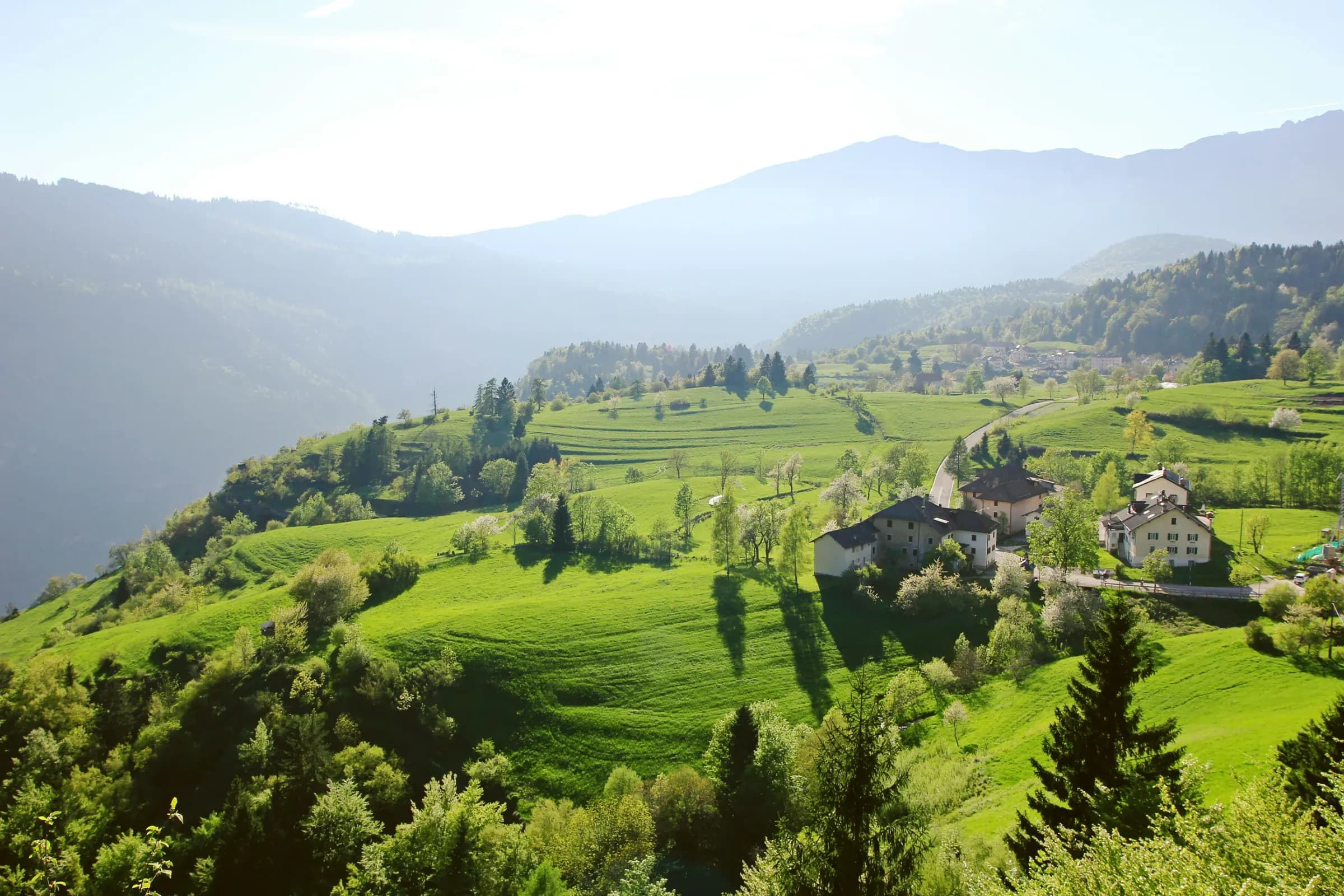
Trentino–Alto Adige / Südtirol
Trentino–Alto Adige is Italy’s northernmost wine region and one of Europe’s most important areas for high-altitude viticulture. It produces precise aromatic whites, elegant Alpine reds, and outstanding traditional-method sparkling wines. Though grouped administratively, Trentino (Italian-speaking) and Alto Adige/Südtirol (majority German-speaking) are culturally and viticulturally distinct.
1. Regional Identity
Alto Adige / Südtirol
- Mountainous, steep vineyards (250–900+ m).
- Germanic heritage; strong cooperative culture (Terlano, Tramin, Girlan).
- Leading varieties: Pinot Noir (Blauburgunder), Sauvignon Blanc, Gewürztraminer, Kerner, Riesling, Schiava, Lagrein.
- Emphasis on purity, precision, and site definition.
Trentino
- Broader valley floors; larger-scale production.
- Key strengths: Teroldego, Nosiola, and Trento DOC sparkling.
- Mix of large cooperatives (Cavit, Mezzacorona) and high-quality independents (Foradori, Pojer e Sandri).
2. Climate & Terroir
Climate
- Alpine continental: hot, dry summers; cold winters; wide diurnal swings.
- Föhn winds reduce disease pressure and accelerate ripening.
- Altitude preserves acidity and aromatics.
- Harvest windows range from late August (early whites) to early October (Teroldego).
Soils
- Porphyry (Valle Isarco, Cembra) → mineral whites, crisp Riesling/Kerner.
- Dolomitic limestone → finesse in Pinot Noir, Sauvignon Blanc.
- Morainic deposits → ideal for Trento DOC Chardonnay.
- Alluvial gravels → Teroldego, Lagrein on warmer sites.
3. Grape Varieties (Expert Table)
| Variety | Colour | Skin | Ripening | Typical Yields | Winemaking Notes | Traits & Styles |
|---|---|---|---|---|---|---|
| Schiava (Vernatsch) | Black | Thin | Early | 10–12 t/ha | Early pick; minimal extraction; stainless or large neutral oak | Pale, red cherry, almond; fresh, drinkable |
| Lagrein | Black | Thick | Late | 8–10 t/ha | Warm sites; short–medium maceration; some barrique | Dark fruit, violet, plush tannin |
| Pinot Noir | Black | Thin | Early | 5–8 t/ha | Partial whole cluster; 12–15 day maceration; tonneaux/large oak | Red cherry, spices, forest floor; structured Alpine style |
| Teroldego | Black | Med-thick | Mid–late | 9–13 t/ha | Alluvial soils; stainless + large oak; amphora for top cuvées | Black cherry, graphite, herbal; fresh acidity |
| Chardonnay | White | Thin | Early | 10–12 t/ha | Whole-bunch press; cool ferment; long lees age (Trento DOC) | Citrus, apple, biscuit, mineral |
| Pinot Grigio | White | Thin | Early | 12–14 t/ha | Cool ferment; clean aromatics | Citrus, pear, crisp |
| Sauvignon Blanc | White | Med | Early–mid | 8–10 t/ha | Cool ferment; stainless/concrete; altitude key for balance | Herbaceous, citrus, flinty |
| Gewürztraminer | White | Thick | Early–mid | 6–8 t/ha | Very careful ripeness; occasional skin contact | Rose, lychee, spice; dense palate |
| Kerner | White | Med | Late | 8–12 t/ha | High altitude; cool ferment | Floral, crisp, mountain tension |
| Müller-Thurgau | White | Thin | Early–mid | High | Best on porphyry at altitude | Floral, peach, light |
| Riesling | White | Thin | Late | Low | Steep terraces; long, cool ferment | Lime, stone fruit, high acidity |
| Nosiola | White | Thin | Mid–late | Low–mod | Porphyry soils; dried for Vino Santo | Almond, hay, pear; oxidative sweet wines |
4. Comparative Subregion Table
| Subregion / DOC | Main Grapes | Key Soils | Notable Producers | Typical Yields | Harvest Notes | Production Notes |
|---|---|---|---|---|---|---|
| Alto Adige / Südtirol DOC | SB, Chardonnay, PG, PN, Schiava, Lagrein | Porphyry, limestone, moraines | Terlano, Tramin, Girlan | 10–12 t/ha | Sept–Oct | Precision cooperatives; varietal purity |
| St. Magdalener | Schiava, Lagrein | Warm morainic slopes | Pfannenstielhof, Waldgries | ~10 t/ha | Early Sept | Perfumed, elegant Schiava |
| Kalterersee | Schiava | Morainic, gravel | Erste+Neue, Caldaro | ~12 t/ha | Early–mid Sept | Light, juicy, chillable reds |
| Valle Isarco | Kerner, Sylvaner, Riesling | Porphyry, schist | Köfererhof, Kuenhof, Pacherhof | 9–11 t/ha | Late Sept | Elite aromatic whites |
| Oltradige/Bassa Atesina | Pinot Noir, SB | Limestone + porphyry | Hofstätter, Niedrist | 8–10 t/ha (PN) | Mid–late Sept | Alto Adige’s top Pinot Noir |
| Teroldego Rotaliano | Teroldego | Deep alluvial plain | Foradori, De Vescovi Ulzbach | 12–13 t/ha | Late Sept | Structured, mineral reds |
| Trentino DOC | PG, Chardonnay, MT, Merlot | Alluvial + limestone | Cavit, Endrizzi | 12–14 t/ha | Aug–Sept | Altitude = quality differentiation |
| Trento DOC | Chardonnay, PN | Morainic limestone | Ferrari, Altemasi, Letrari | ~10.5 t/ha | Early Sept | Long lees ageing; mountain acidity |
| Vino Santo Trentino | Nosiola | Porphyry | Pojer e Sandri, Pravis | Very low | Grapes dried to March | Iconic oxidative sweet wine |
| Cembra Valley | MT, Riesling | Porphyry terraces | Pojer e Sandri, Zanotelli | 9–11 t/ha | Sept | High-altitude aromatics |
5. Winemaking Techniques
Whites
- Fermentation: stainless steel for purity; neutral oak for Chardonnay/Pinot Bianco; 12–16°C for aromatics.
- Lees work: essential for Trento DOC; common in structured Alto Adige whites.
- Skin contact: short, selective use (Gewürztraminer, Nosiola).
- Oxidation control: tight SO₂ and inerting to preserve Alpine freshness.
Reds
- Pinot Noir: partial whole cluster, gentle extraction, 12–15 day maceration, medium-toast tonneaux or large oak.
- Schiava: typically whole-berry, minimal extraction, designed for delicacy.
- Lagrein: short to medium maceration, some barrique for structure.
- Teroldego: stainless + large oak, occasional amphora; medium maceration for structure without bitterness.
Sparkling (Trento DOC)
- Base wine from early-picked Chardonnay/Pinot Noir.
- Whole-bunch pressing; fermentation in steel or large oak.
- Secondary fermentation in bottle; long lees ageing (30–90+ months).
- Character: linear, mineral, fine mousse, Alpine acidity.
6. Viticultural Challenges
- Steep terraces restrict mechanisation.
- Sunburn risk for Gewürztraminer and Pinot Noir in hot vintages.
- Hydric stress on low-retention porphyry slopes.
- Ripeness balance: too early = harsh acidity; too late = loss of mountain precision.
- Mildew spikes after summer storms despite overall lower disease pressure.
7. Key Producers
Alto Adige
Terlano, Cantina Tramin, Hofstätter, Girlan, Tiefenbrunner, Nals Margreid, Köfererhof, Kuenhof, Gumphof.
Trentino
Foradori, Ferrari, Pojer e Sandri, Endrizzi, Mezzacorona, Cavit (premium selections), Zanini, De Vescovi Ulzbach.
8. Wines to Seek Out
- Terlaner and Vorberg (Cantina Terlano)
- Pinot Noir from Mazon and Glen
- St. Magdalener Classico
- Kalterersee Superiore
- Gewürztraminer Nussbaumer
- Kerner and Sylvaner from Valle Isarco
- Müller-Thurgau from Cembra Valley
- Teroldego Foradori “Granato”
- Trento DOC vintage bottlings
- Nosiola and Vino Santo Trentino
9. Summary
Trentino–Alto Adige offers Alpine precision, distinctive aromatic whites, increasingly serious Pinot Noir, unique native reds, and Italy’s leading traditional-method sparkling wines outside Franciacorta. Altitude, geology, and cultural duality drive a region committed to freshness, purity, and terroir transparency.
Check your knowledge
Expert quiz