Tempranillo
Tempranillo – Spain’s Structural Black Grape
1. Overview
Tempranillo is a black grape and the foundational red variety of Spain, responsible for the country’s most iconic wines.
It defines the character of Rioja, Ribera del Duero, Toro, Navarra, La Mancha, Valdepeñas, and appears across Portugal as Tinta Roriz and Aragonez.
Its name derives from temprano (“early”), reflecting its tendency to ripen earlier than many Mediterranean black grapes.
Tempranillo’s stylistic range spans from juicy, youthful jóvenes to long-lived Reservas and Gran Reservas with classic notes of leather, tobacco, sweet spice, and dried fruit.
2. Origins & Synonyms
Tempranillo is native to the Iberian Peninsula, with earliest traces in northern and central Spain.
It has many local names:
-
Spain:
- Tinto Fino / Tinta del País / Tinta Fina (Ribera del Duero)
- Tinta de Toro (Toro)
- Ull de Llebre (Catalonia)
- Cencibel (La Mancha, Valdepeñas)
- Other local names: Ojo de Liebre, Tinto de Madrid
-
Portugal:
- Tinta Roriz (Douro, Dão)
- Aragonez / Aragonês (Alentejo)
3. Grape Characteristics
| Parameter | Tempranillo |
|---|---|
| Colour | Black |
| Budding / Ripening | Early bud, early–mid ripening |
| Vigour & Yield | Moderate–high; adaptable but must be controlled |
| Skin Thickness | Medium–thick (thicker in hot, dry climates such as Toro) |
| Cluster Structure | Compact clusters; small berries with concentrated colour |
| Acidity | Naturally moderate–low; higher at altitude |
| Tannin | Medium–high; from fine-grained to robust depending on site |
| Hazards | Susceptible to rot, powdery/downy mildew, black rot; drought and heat vulnerability; compact bunches increase rot risk |
| Preferred Soils | Clay and clay-limestone; thrives at altitude with continental climates |
| Aromatics | Red/black cherry, plum, violet, spice; with age: leather, tobacco, cedar, dried fig |
Tempranillo’s ability to integrate oak gracefully makes it a natural for long ageing.
4. Viticulture
Tempranillo’s early ripening suits cooler to moderate climates, but frost and heat spikes pose challenges.
Key points:
- Altitude (700–900+ m): preserves acidity and aromatics, especially in Ribera del Duero and Toro.
- Heat sensitivity: loses acidity quickly; harvest timing is critical.
- Disease: compact clusters → rot risk in humid years; susceptible to powdery/downy mildew.
- Soils: clay-limestone for structure; sandy sites yield lighter wines.
- Training
- Bush vines: harsh climates (Toro, old Rioja vines)
- Trellised VSP: modern Rioja, Navarra, La Mancha
Yield and canopy management define quality potential.
5. Regional Expressions within Spain
Rioja DOCa
Tempranillo forms the backbone of Rioja blends with Garnacha, Graciano, and Mazuelo.
- Rioja Alta / Alavesa: cooler, higher altitude → red fruit, high acidity, fine tannins.
- Rioja Oriental: warmer → riper fruit, softer structure.
Classic ageing (especially with American oak) yields flavours of vanilla, coconut, dill, cedar.
Modern Rioja emphasises French oak, fresher fruit, and site transparency.
Ribera del Duero DO
Tempranillo (Tinto Fino/Tinta del País) produces deep, structured wines.
- High altitude (700–900+ m), hot days, cold nights
- Dark fruit, tobacco, spice, firm tannins
- Iconic producers include Vega Sicilia, Aalto, Pesquera.
Toro DO
Tempranillo here is known as Tinta de Toro, a thick-skinned local biotype.
- High tannin, high alcohol, dense colour
- Dark fruit, roasted spice, muscular structure
- Modern producers now emphasise precision and freshness.
Navarra
Tempranillo blended with Garnacha for fresh reds and rosados; styles range from joven to structured Crianza.
La Mancha & Valdepeñas
Known as Cencibel, producing styles from inexpensive joven to well-aged Reservas and Gran Reservas.
Quality rises significantly with lower yields and careful oak management.
Other Spanish Regions
Used in blends and varietal wines in Cigales, Somontano, Ribera del Guadiana, Campo de Borja, and more.
6. Tempranillo in Portugal & the Wider World
Portugal
- Tinta Roriz (Douro & Dão): structure in Port and Douro reds.
- Aragonez/Aragonês (Alentejo): softer, riper Mediterranean styles.
Outside Iberia
- Argentina: plummy, ripe styles (Mendoza).
- USA: varietals and blends in California, Oregon, Washington.
- Australia: Tempranillo–Grenache–Shiraz blends and varietal bottlings.
- South Africa: limited but growing plantings.
7. Winemaking & Ageing
Tempranillo adapts well to diverse vinifications:
- Carbonic/semi-carbonic: fruity jóvenes.
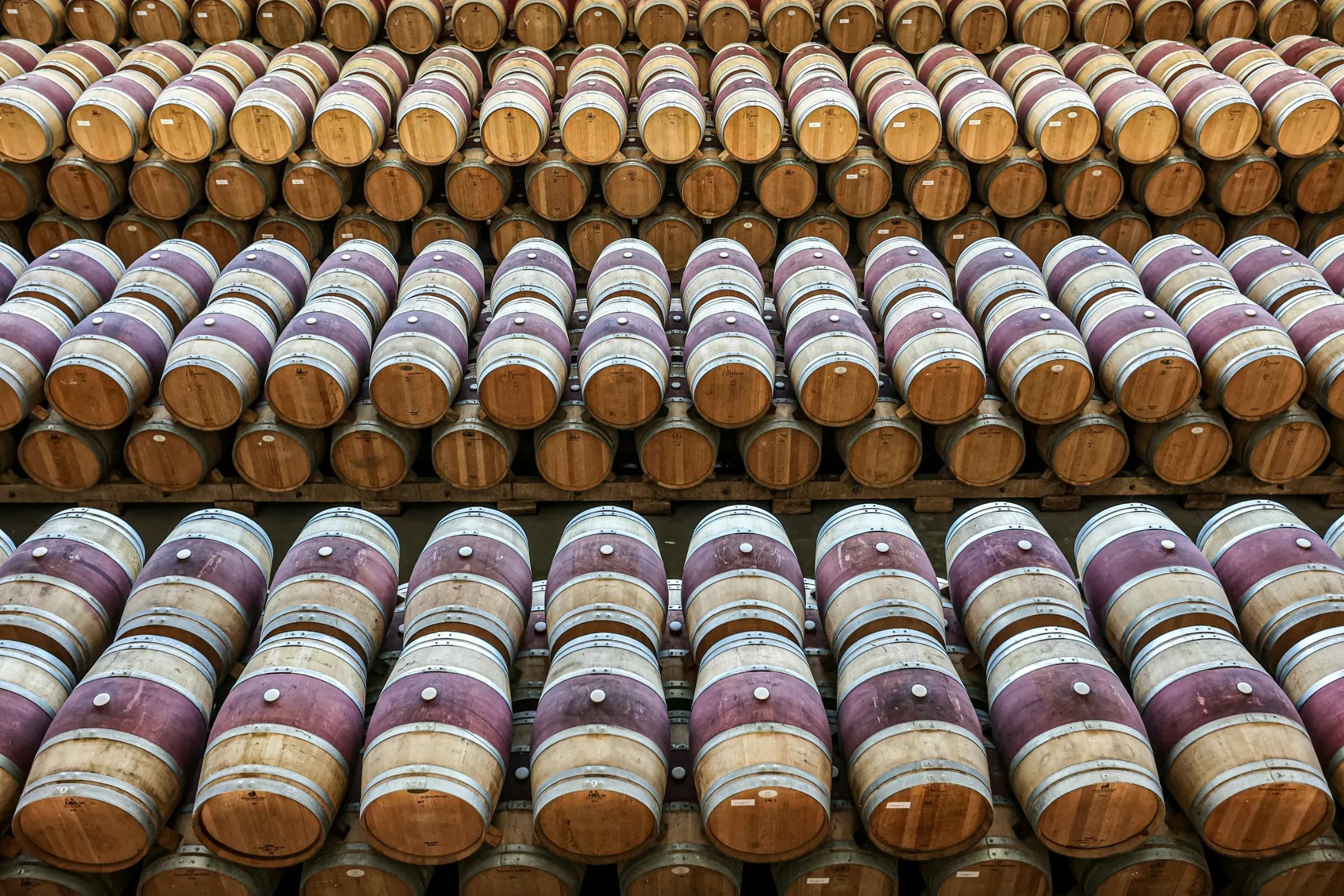
- Traditional Rioja ageing:
- Crianza – 2 years total, 1 in oak
- Reserva – 3 years total, 1 in oak
- Gran Reserva – 5+ years, 2 oak + bottle ageing
- Oak choices:
- American oak → vanilla, coconut, sweet spice
- French oak → cedar, tighter grain, savoury spice
- Modern styles favour less extraction, larger vessels, concrete, neutral oak.
Over-extraction in hot areas can result in bitterness due to thickened skins.
8. Stylistic Spectrum
Joven
Red fruit, minimal oak, juicy and early-drinking.
Crianza / Reserva
Balanced oak, red and black fruit, structure, 5–10 year ageing.
Gran Reserva & Icon Wines
Complex tertiary aromas (leather, tobacco, fig), fine tannins, long ageing potential.
Warm-Climate Tempranillo
Deeper colour, riper fruit, higher alcohol; careful handling required to maintain balance.
9. Producers & Wines to Seek Out
- Rioja: López de Heredia, La Rioja Alta, CVNE, Marqués de Riscal
- Ribera del Duero: Vega Sicilia, Pesquera, Pago de Carraovejas, Aalto
- Toro: Numanthia, San Román, Teso La Monja
- Portugal: Niepoort, Quinta do Crasto, Quinta do Vallado (Tinta Roriz blends)
- International: 4Kilos Tempranillo-based wines in Spain, various New World examples
10. Summary
Tempranillo is the black grape cornerstone of Spanish red wine, combining early ripening, moderate acidity, and strong affinity for oak.
Its expressions range from juicy jóvenes to some of Europe’s longest-lived wines, particularly in Rioja and Ribera del Duero.
With the right balance of site, climate, canopy management, and ageing, Tempranillo delivers generous fruit, refined tannin, and exceptional ageing potential.
Check your knowledge
Expert quiz