South of France Part II
South of France (Part II): Languedoc, Roussillon & the VDN Tradition
1. Overview
The Languedoc and Roussillon, stretching from the Rhône delta to the Spanish border, form France’s largest and most dynamic wine region — together accounting for over 230,000 ha of vineyards (CIVL/CIVR 2024).
Once the source of France’s bulk wine, the South has reinvented itself as a leader in quality, sustainability, and experimentation, producing everything from fresh Picpoul and refined Syrah to France’s great fortified sweet wines (VDNs).
- Languedoc offers scale and variety: limestone ridges, schist hillsides, coastal plains, and cool mountain foothills.
- Roussillon, smaller and more rugged, faces Spain across the Pyrenees — a landscape of steep terraces and sun-scorched schist where fortified wines have been made since the 13ᵗʰ century.
Together they embody the South’s transformation: from volume to terroir, from rustic blends to precision winemaking.
2. Climate and Environment
- Climate: Mediterranean — hot, dry summers, mild winters, 2,600–3,000 hours of annual sunshine.
- Rainfall: 400–700 mm per year, mainly in spring and autumn.
- Winds: The dry Tramontane and humid Marin balance disease control and vine hydration.
- Topography: From coastal plains to 600 m foothills of the Cévennes and Montagne Noire.
- Soils: Extremely varied — limestone, marl, schist, granite, volcanic basalt, and red clay.
- Hazards: drought, erosion, and autumn storms.
This diversity allows a remarkable range of grapes: Mediterranean varieties like Grenache and Mourvèdre thrive beside high-altitude Syrah, while coastal zones sustain crisp whites and aromatic Muscats.
3. Grape Varieties and Characteristics
Red Varieties
| Variety | Budburst / Ripening | Traits | Regions | Hazards |
|---|---|---|---|---|
| Grenache Noir | Mid / Late | Red fruit, herbs, warmth, supple tannin | Throughout Languedoc & Roussillon | Drought, oxidation |
| Syrah | Mid / Mid–Late | Blackberry, pepper, floral; adds colour & perfume | Faugères, Pic Saint-Loup, Minervois | Sunburn, shrivel |
| Mourvèdre | Late / Very Late | Black fruit, spice, savoury depth, structure | La Clape, Fitou, Roussillon | Needs heat; poor set in cool years |
| Carignan | Late / Late | High acid, firm tannin, rustic if overcropped | Corbières, Boutenac | Disease-prone; best from old vines |
| Cinsault | Early / Early–Mid | Light, floral, red berries | Rosés, lighter reds | Coulure |
| Marselan | Mid / Mid | Deep colour, freshness (Cabernet × Grenache cross) | Coastal IGP zones | High vigour |
White Varieties
| Variety | Budburst / Ripening | Traits | Key Regions |
|---|---|---|---|
| Picpoul Blanc | Early / Late | High acid, lemon, saline minerality | Pinet (Languedoc coast) |
| Grenache Blanc / Gris | Early / Mid–Late | Full-bodied, almond, honey | Roussillon, Corbières Blanc |
| Bourboulenc | Mid / Mid–Late | Citrus, herbal, moderate acidity | La Clape, Minervois |
| Vermentino (Rolle) | Early / Mid | Almond, fennel, citrus, freshness | Coastal Languedoc |
| Clairette Blanche | Early / Early–Mid | Floral, apple, herbal | Pézenas, Limoux |
| Muscat Blanc à Petits Grains | Early / Early | Orange blossom, grape, honey | Frontignan, Rivesaltes, Mireval, Lunel |
4. The Languedoc AOCs
Languedoc AOC (Regional Umbrella)
- Area: ~90,000 ha.
- Yields: 50 hL/ha max.
- Styles: GSM reds, dry rosés, and whites.
- Subzones: Pézenas, Cabrières, Grés de Montpellier, Picpoul de Pinet (white).
Minervois & La Livinière
- Soils: limestone and schist; 100–300 m altitude.
- Style: Syrah-led reds; peppery, structured.
- La Livinière: first official “Cru du Languedoc” (1999).
Corbières & Boutenac
- Grapes: Grenache, Carignan, Syrah, Mourvèdre.
- Boutenac: low yields (45 hL/ha max); old-vine Carignan central.
- Style: warm, herbal, full-bodied reds.
Faugères / Saint-Chinian
- Soils: schist and limestone.
- Style: Syrah-Grenache blends; structured and mineral.
- Crus: Saint-Chinian-Berlou & -Roquebrun (schist).
Pic Saint-Loup
- Altitude: up to 400 m; limestone scree.
- Climate: cooler, fresher; strong diurnal range.
- Style: perfumed Syrah with pepper and floral notes.
La Clape
- Coastal limestone plateau near Narbonne.
- Grapes: Grenache, Mourvèdre, Bourboulenc.
- Style: saline, aromatic wines from sea-cooled slopes.
Picpoul de Pinet
- Area: ~1,500 ha.
- Yields: ~55–60 hL/ha (current range).
- Grape: 100 % Picpoul Blanc.
- Style: lemon, saline, very high acidity — “the oyster wine.”
Limoux
- Altitude: 200–450 m; Pyrenean influence.
- Styles:
- Blanquette de Limoux: 90 % Mauzac (ancestral sparkling, 1531 origin).
- Crémant de Limoux: Chardonnay, Chenin, Mauzac, Pinot Noir.
- Still Chardonnay: full-bodied, oak-aged.
- Yields: Authorised 60 hL/ha (annual), butoir 70, max production 87 hL/ha.
5. Roussillon – The Fortified Heartland
- Area: ~18,500–20,000 ha; France’s driest region (<500 mm rain).
- Topography: mountain amphitheatre facing the Mediterranean.
- Soils: schist, granite, limestone; steep terraces.
- Grapes: Grenache Noir, Blanc, and Gris dominate.
- Style: concentrated reds, complex whites, and world-renowned VDNs.
Dry AOCs
- Côtes du Roussillon / Villages: GSM blends; ripe, structured, mineral.
- Maury Sec: Dry Grenache reds; powerful, ageworthy.
- Collioure: Coastal terraces; still reds and rosés from Banyuls vineyards.
6. The VDN Tradition – Vin Doux Naturel
VDNs are fortified sweet wines made by mutage — adding neutral grape spirit (95–96 % ABV) during fermentation to preserve sugar.
Resulting wines reach 15–17 % ABV and 90–120 g/L residual sugar depending on style.
A. Grenache-Based (Oxidative or Rancio Styles)
| Appellation | Grape | Style | Key Traits |
|---|---|---|---|
| Banyuls AOC | Grenache Noir (≥50 %) | Oxidative or reductive | Port-like; aged in old barrels or glass demijohns in the sun (rancio); nut, cocoa, dried fig. |
| Maury AOC | Grenache Noir | Reductive or oxidative | Black fruit, spice, power; long ageing potential. |
| Rivesaltes AOC | Grenache Blanc, Gris, Noir, Macabeu | Amber, tawny, rancio | 10 + years ageing; caramel, walnut, dried fruit. |
B. Muscat-Based (Aromatic and Fresh)
| Appellation | Grape | Style | Key Traits |
|---|---|---|---|
| Muscat de Rivesaltes | Muscat Blanc à Petits Grains & Muscat of Alexandria | Fresh, floral, aromatic | Orange blossom, grape, honey; bottled young. |
| Muscat de Frontignan / Mireval / Lunel / Saint-Jean-de-Minervois | Muscat Blanc à Petits Grains | Light gold, intensely grapey | Non-oxidative; best served chilled. |
Typical yields: 30–35 hL/ha
Production: ~45,000 hL annually (~6 million bottles).
Ageing: oxidative (rancio) or reductive (fresh fruit) depending on appellation and style.
7. Viticulture and Sustainability
- Yields:
- Crus (La Clape, Minervois, Boutenac): 40–45 hL/ha
- Picpoul de Pinet: ~55–60 hL/ha
- VDNs: 30–35 hL/ha
- Crémant de Limoux: 60 hL/ha (authorised); butoir 70; max 87 hL/ha
- Vine training: bush for Grenache & Carignan; trellised for Syrah & whites.
- Organic share: > 30 % certified or converting — among France’s highest.
- Irrigation: permitted during drought under strict regulation.
8. Winemaking Trends
- Growing number of single-vineyard Crus within Languedoc AOC.
- Amphora and concrete vessels revived for Syrah and Mourvèdre.
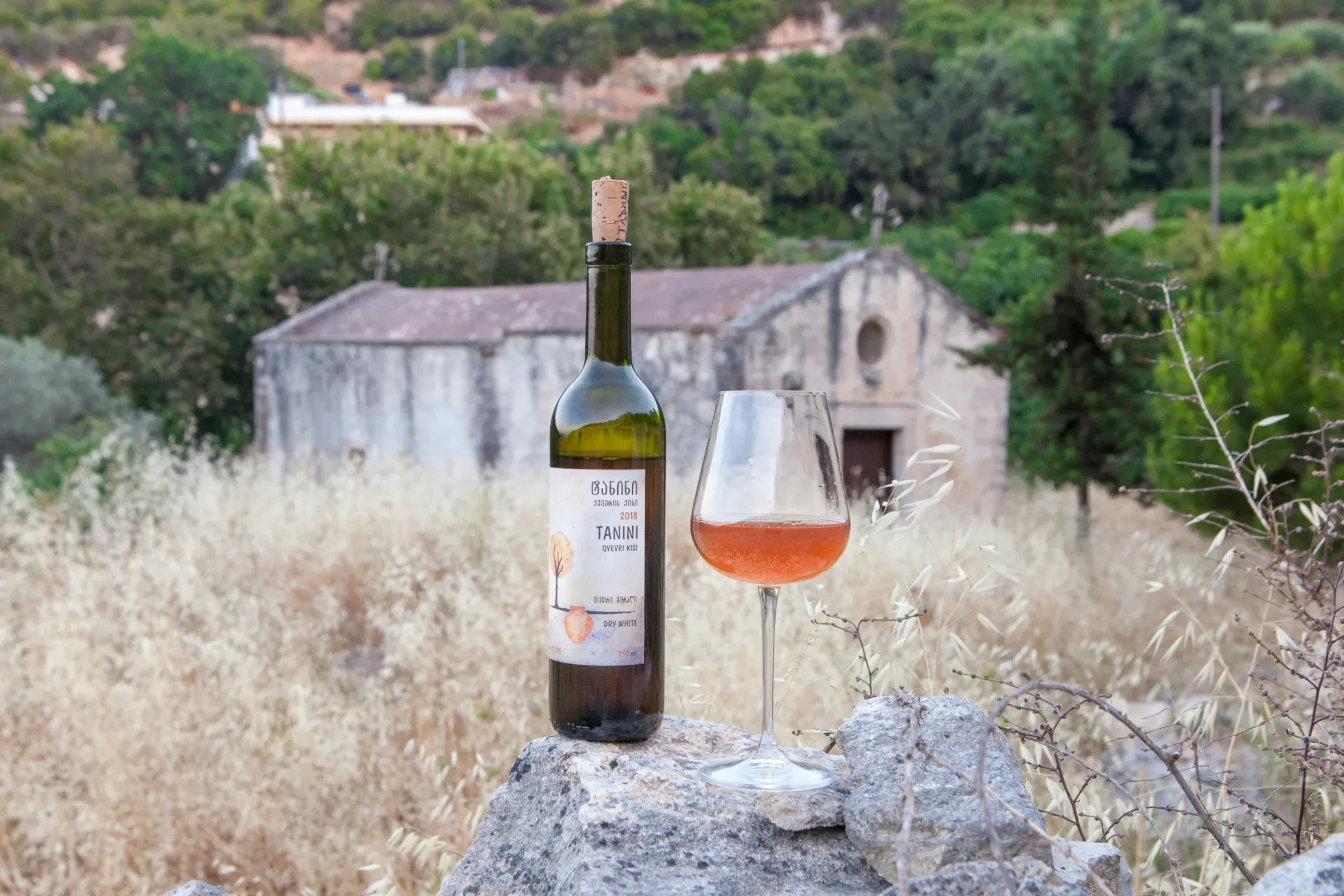
- White winemaking increasingly experiments with short skin contact before fermentation to enhance aroma and texture, and in some artisanal cellars, extended skin fermentation to produce amber, phenolic “orange” wines.
- VDN revival – smaller, oxidative, artisanal bottlings gaining attention among sommeliers.
- Crémant de Limoux expanding rapidly as a fine traditional-method sparkling.
- IGP Pays d’Oc remains a creative hub for varietal innovation — Chardonnay, Pinot Noir, Marselan, and Cabernet Franc.
9. Advantages and Disadvantages
Advantages:
- Reliable ripening and low disease pressure.
- Vast soil diversity and elevation range.
- Strong commitment to sustainability and innovation.
- Excellent quality-to-price ratio.
Disadvantages:
- Drought and storm extremes.
- Historical overproduction stigma.
- Complex AOC structure can confuse consumers.
10. Summary
From the limestone cliffs of La Clape to the sun-baked schist of Banyuls, Languedoc and Roussillon embody the new face of the South: confident, diverse, and terroir-driven.
Their wines range from crisp Picpoul and Vermentino whites to powerful Syrah–Grenache reds and the timeless fortified VDNs of Roussillon.
What was once France’s largest bulk wine region is now its most experimental — where ancient traditions and modern sustainability thrive side by side under the Mediterranean sun.
Check your knowledge
Expert quiz