Loire Valley Spotlight
Loire Valley Viticulture, Winemaking, and Production Overview
1. Geography and Overview
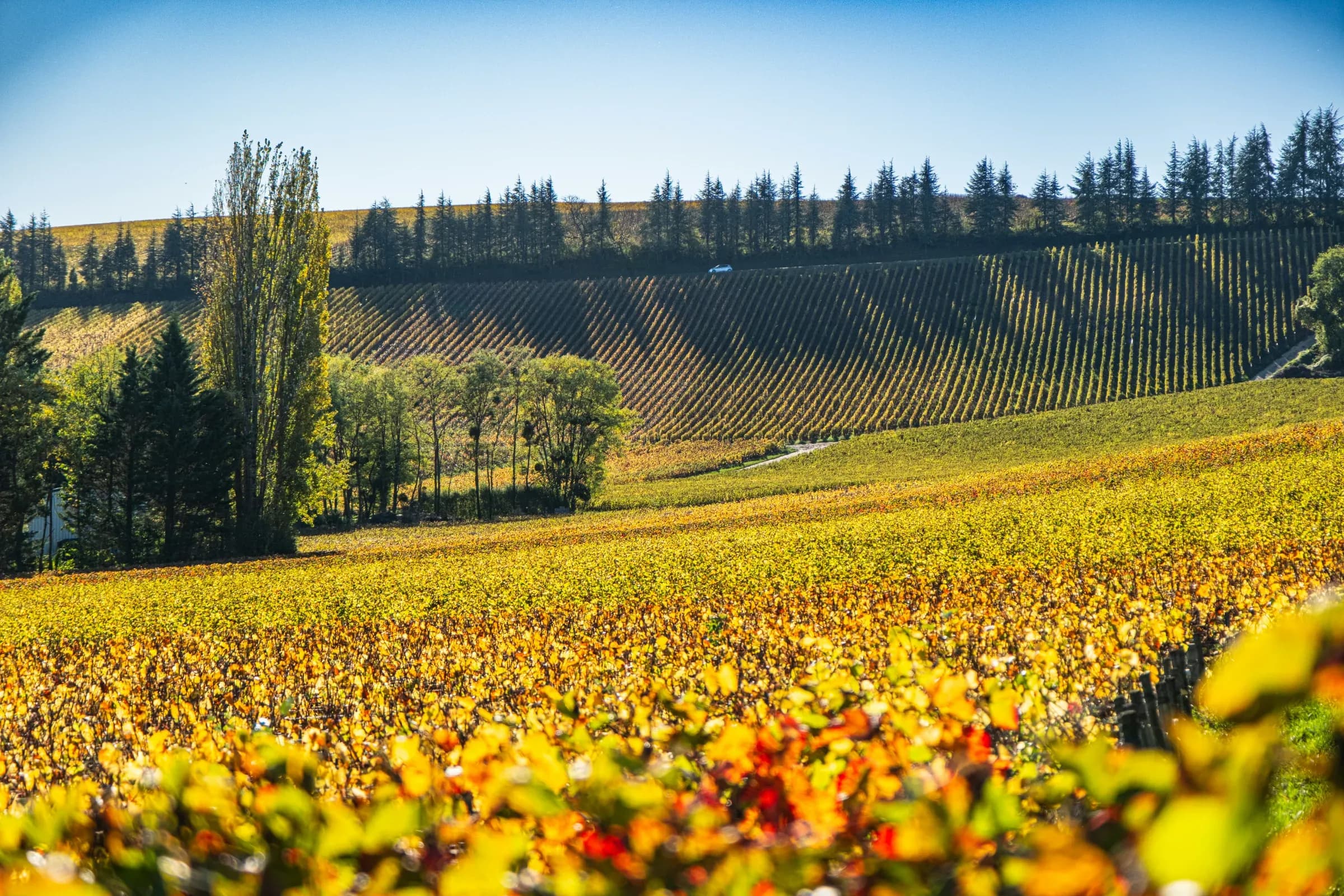
The Loire Valley, stretching over 1,000 km along the Loire River from the Atlantic coast to central France, is one of Europe’s most diverse and dynamic wine regions.
It covers ~70,000 ha of vineyards across five main subregions, producing nearly every wine style — crisp whites, light reds, elegant rosés, traditional-method sparkling wines, and luscious sweet wines.
Main Subregions (west to east)
- Pays Nantais – maritime climate; Melon de Bourgogne (Muscadet).
- Anjou – transitional climate; Chenin Blanc, Cabernet Franc, Grolleau, and rosés.
- Saumur – limestone plateaus; sparkling wines and Chenin-based stills.
- Touraine – continental influence; Chenin, Sauvignon Blanc, Cabernet Franc.
- Central Vineyards – continental; Sauvignon Blanc (Sancerre, Pouilly-Fumé, Menetou-Salon).
2. Climate and Environment
The Loire’s climate shifts from maritime in the west to semi-continental inland.
- Average rainfall: 600–800 mm.
- Temperature range: 10.5 °C (Nantes) → 13 °C (Tours) → 14 °C (Sancerre).
- Hazards: spring frost, coulure, mildew, and autumn rains affecting late harvests.
- Best sites: river slopes and south-facing exposures that extend ripening.
3. Soils and Terroir
- Pays Nantais: gneiss, granite, schist — thin, nutrient-poor soils ideal for Melon de Bourgogne.
- Anjou: schist and slate west; limestone east.
- Saumur & Touraine: soft tuffeau limestone, providing cool cellars for aging.
- Central Vineyards: flint (silex), chalky limestone (caillottes), and clay-limestone (terres blanches) — underpin Sauvignon Blanc’s minerality.
4. Grape Varieties and Key Characteristics
White Grapes
| Variety | Budburst / Ripening | Acidity | Style & Flavours | Regions | Hazards |
|---|---|---|---|---|---|
| Melon de Bourgogne | Early / Early | High | Green apple, saline, mineral | Pays Nantais (Muscadet) | Frost, low vigour |
| Chenin Blanc | Early / Late | High | Apple, quince, honey, lanolin; dry to sweet | Anjou, Saumur, Touraine (Vouvray, Coteaux du Layon) | Frost, uneven ripening |
| Sauvignon Blanc | Early / Early–Mid | High | Citrus, grass, flint | Touraine, Central Vineyards | Frost, mildew |
| Chardonnay | Early / Mid | Medium–High | Citrus, pear, subtle oak | Sparkling (Saumur, Touraine) | Frost, rot |
| Romorantin | Mid / Mid | High | Citrus, nutty, mineral | Cour-Cheverny | Low yields, frost |
Muscadet and Lees Ageing:
Melon de Bourgogne is naturally neutral in flavour, making Muscadet the purest expression of lees ageing in France. Extended sur lie maturation (6–24 months) adds creaminess, texture, and subtle bread dough notes, transforming this understated grape into one of the Loire’s most distinctive dry whites.
Red & Rosé Grapes
| Variety | Budburst / Ripening | Tannins | Style & Flavours | Regions | Hazards |
|---|---|---|---|---|---|
| Cabernet Franc | Mid / Mid–Late | Medium | Redcurrant, bell pepper, graphite | Chinon, Bourgueil, Saumur-Champigny | Frost, uneven ripening |
| Grolleau | Mid | Low | Fresh, fruity, floral | Rosé d’Anjou, Rosé de Loire | Vigorous, disease-prone |
| Gamay | Early / Early | Low–Medium | Cherry, spice | Touraine, Anjou | Frost |
| Cabernet Sauvignon | Late | High | Black fruit, spice | Warmer Anjou, Saumur | Needs heat |
| Pineau d’Aunis | Early–Mid | Low–Medium | Strawberry, pepper, floral | Coteaux du Loir, Touraine | Frost, coulure |
| Pinot Noir | Early / Early–Mid | Medium–Low | Red cherry, herbal | Sancerre, Menetou-Salon | Frost, rot |
Rosé Production:
Loire rosés are made primarily from Cabernet Franc, Cabernet Sauvignon, Grolleau, Gamay, and Pineau d’Aunis, with Pinot Noir used in Sancerre and Menetou-Salon. Styles range from off-dry Rosé d’Anjou to dry, crisp Rosé de Loire and the pale, delicate rosés of the Central Vineyards.
5. Vineyard Management and Yields
- Training: Guyot and Cordon de Royat; bush vines for Grolleau.
- Planting densities: 4,000–6,000 vines/ha (Muscadet) up to 8,000–10,000 (Sancerre).
- Yields (hL/ha):
- Muscadet: 50–55
- Savennières: 35–40
- Vouvray: 45–52
- Coteaux du Layon: 25–35
- Rosé d’Anjou: 45–50
- Sancerre / Pouilly-Fumé: 55
- Saumur Brut / Crémant de Loire: 65
Producers often harvest well below legal maxima to ensure concentration.
6. Appellations and Styles by Subregion
Pays Nantais
- Muscadet / Muscadet Sèvre-et-Maine: 100% Melon de Bourgogne; crisp, saline whites aged sur lie.
- Crus Communaux (Clisson, Gorges, Le Pallet): longer lees ageing (18–24 months) for creamier, textural wines.
Anjou
- Savennières: dry, powerful Chenin on schist; long-lived.
- Coteaux du Layon, Quarts de Chaume, Bonnezeaux: botrytised Chenin Blanc; RS 100–150 g/L.
- Rosé d’Anjou: off-dry rosé (Grolleau, Cabernet Franc, Gamay).
- Cabernet d’Anjou: semi-sweet rosé from Cabernet Franc / Cabernet Sauvignon.
- Rosé de Loire: dry rosé from Cabernet Franc, Grolleau, and Gamay.
Saumur
- Saumur Blanc: dry Chenin from tuffeau limestone.
- Saumur-Champigny: Cabernet Franc reds; aromatic, medium-bodied.
- Saumur Brut / Crémant de Loire: traditional-method sparkling wines from Chenin, Chardonnay, and Cabernet Franc.
Touraine
- Vouvray / Montlouis-sur-Loire: Chenin Blanc in every style (dry, demi-sec, moelleux, sparkling).
- Chinon / Bourgueil / St-Nicolas-de-Bourgueil: Cabernet Franc reds; light to structured.
- Touraine Rosé: Cabernet Franc, Gamay, Grolleau, Pineau d’Aunis.
- Cheverny / Cour-Cheverny: Sauvignon blends or pure Romorantin whites.
Central Vineyards
- Sancerre / Pouilly-Fumé: 100% Sauvignon Blanc; dry, mineral whites.
- Sancerre Rosé / Menetou-Salon Rosé: 100% Pinot Noir; pale, delicate.
- Reuilly / Quincy / Coteaux du Giennois: Sauvignon Blanc whites; early-drinking.
7. Sparkling Wines
The Loire is France’s leading sparkling-wine region outside Champagne, producing over 45 million bottles annually (≈ 450,000 hL).
Crémant de Loire
- Area: ~2,800 ha; primarily in Anjou, Saumur, and Touraine.
- Grapes: Chenin Blanc (dominant), Chardonnay, Cabernet Franc, sometimes Grolleau.
- Method: traditional; minimum 12 months on lees.
- Style: fine mousse, crisp acidity, orchard fruit and honey notes.
- Production: ≈ 300,000 hL (≈ 40 million bottles).
Saumur Brut
- Area: ~1,500 ha.
- Grapes: Chenin Blanc, with Chardonnay and Cabernet Franc.
- Method: traditional; shorter lees aging than Crémant.
- Style: rounder, fruitier, softer than Champagne.
- Production: ≈ 150,000 hL (≈ 20 million bottles).
Other Sparkling AOCs
- Vouvray & Montlouis Mousseux: 100% Chenin Blanc, traditional method; drier, more mineral.
- Touraine Mousseux: Sauvignon Blanc and Chenin blends; light and zesty.
Sparkling wines account for ~12% of Loire production and are key export products, valued for freshness, Chenin purity, and affordability.
8. Sweet Wines
The Loire produces some of the world’s finest botrytised Chenin Blancs, mainly in Anjou and Touraine.
Key Appellations
- Coteaux du Layon: broad area on schist slopes south of Angers; late harvest, passerillage, and botrytis. RS typically 80–130 g/L.
- Quarts de Chaume: Grand Cru; botrytised Chenin Blanc with RS often 150–200 g/L; balanced by piercing acidity.
- Bonnezeaux: similar to Layon but richer; RS ~120–160 g/L.
- Vouvray Moelleux & Montlouis Liquoreux: Chenin on limestone slopes; lighter, floral, honeyed sweetness; RS 50–150 g/L.
Viticulture & Winemaking
- Multiple selective harvests (tries successives); hand-picking of botrytised grapes.
- Fermentation in stainless steel or oak; stopped naturally or by chilling.
- Aging: in neutral oak or tank for 6–24 months.
- Aging potential: decades — Quarts de Chaume and top Vouvray rival Sauternes for longevity.
Sweet wines represent under 5% of total Loire production but a disproportionately large share of its historical prestige.
9. Production and Exports
- Total vineyard area: ~70,000 ha.
- Annual production: 2.6–2.9 million hL (260–290 million L).
- Composition: White ≈46%, Red ≈23%, Rosé ≈19%, Sparkling ≈12%.
- Exports: ≈25% of production (main markets: UK, US, Germany, Canada).
Approximate grape contribution (by volume):
- Melon de Bourgogne (Muscadet): 16–18%
- Chenin Blanc: 22–25%
- Sauvignon Blanc: 20–22%
- Cabernet Franc (red/rosé): 18–20%
- Other reds/rosés (Grolleau, Gamay, Pinot Noir, etc.): 8–10%
- Minor whites (Chardonnay, Romorantin, etc.): 5%
10. Recent Trends
- Expansion of dry Chenin Blanc and terroir-driven Savennières/Vouvray.
- Crémant de Loire growth as Champagne alternative.
- Rosé resurgence (Cabernet d’Anjou, Rosé de Loire, Sancerre Rosé).
- Revival of Muscadet Crus Communaux through extended lees aging.
- Rapid conversion to organic/biodynamic viticulture.
- Climate change: warmer vintages increasing ripeness and reducing vintage variation.
11. Advantages and Disadvantages
Advantages:
- Exceptional stylistic range (dry, sweet, still, sparkling, rosé).
- Distinctive cool-climate character: freshness, moderate alcohol, vibrant acidity.
- Strong export identity (Sancerre, Muscadet, Vouvray, Crémant).
Disadvantages:
- Frost and rain cause irregular yields.
- Small-scale producers limit economies of scale.
- Market confusion due to regional diversity and labeling complexity.
12. Summary
The Loire Valley captures the full spectrum of French wine:
- Muscadet’s pure lees-aged expression of Melon de Bourgogne,
- Chenin Blanc masterpieces from dry Savennières to the botrytised elegance of Quarts de Chaume,
- Cabernet Franc reds from Chinon and Bourgueil,
- Sauvignon Blanc icons from Sancerre and Pouilly-Fumé,
- rosés from Grolleau, Cabernet Franc, and Pinot Noir,
- and world-class sparkling wines (Crémant and Saumur Brut).
With its blend of tradition, terroir diversity, and stylistic breadth, the Loire remains France’s most multifaceted wine region, where purity, balance, and authenticity define its enduring appeal.
Check your knowledge
Expert quiz