Jura & Savoie – France’s Alpine Wines
1. Overview
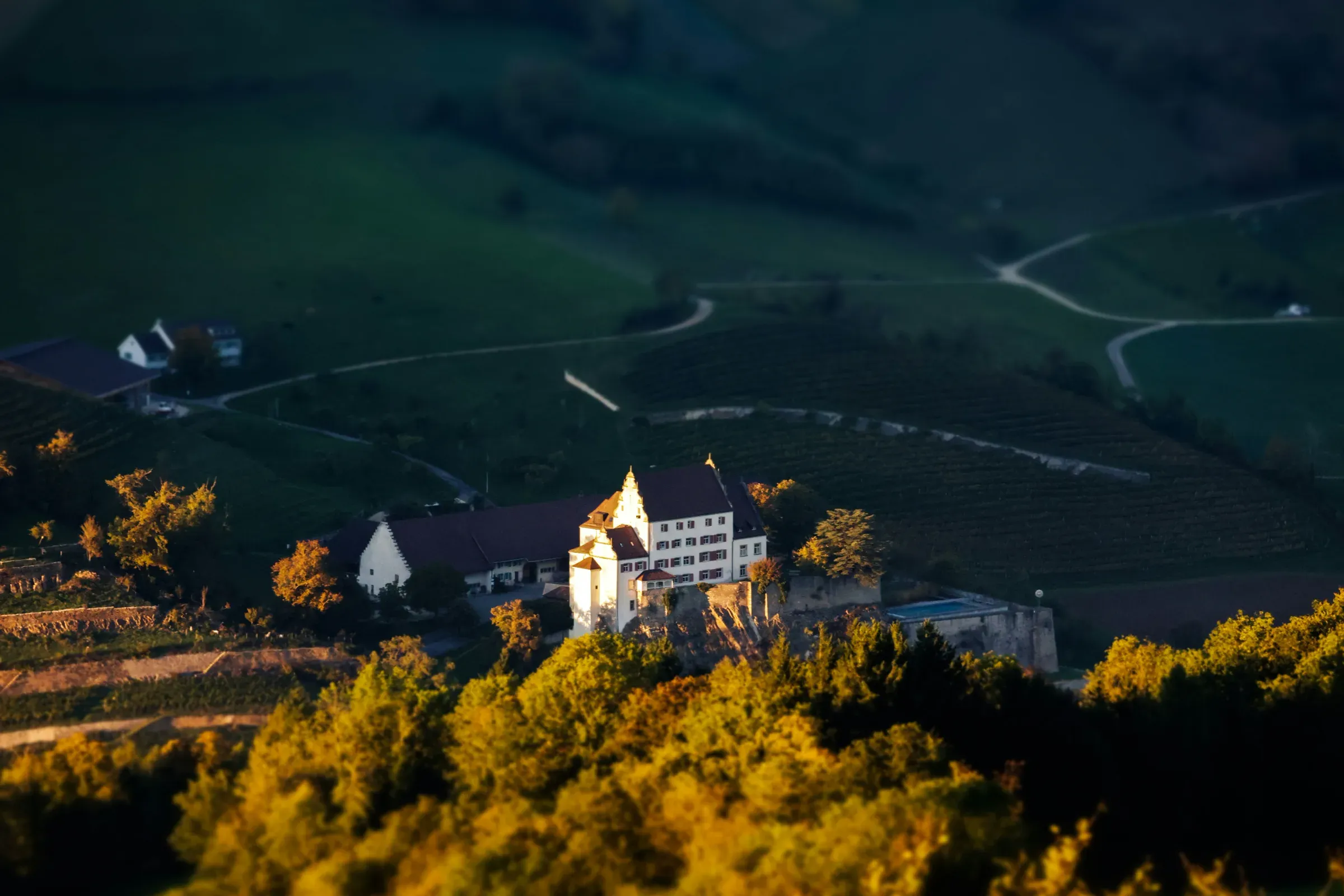
The Jura and Savoie sit between Burgundy and Switzerland, producing France’s most distinctive Alpine wines.
Together, they cover less than 4,000 ha of vines (≈0.5% of France’s total), yet their influence on fine-wine culture is outsized.
- Jura: ~2,000 ha (≈90–100,000 hL annually)
- Savoie: ~1,850 ha (≈110,000 hL annually)
- Combined output: ≈200,000 hL (≈27 million bottles)
Both regions share a cool, mountain-influenced climate and limestone soils, but their wines differ sharply:
Jura is known for its oxidative whites and Vin Jaune, while Savoie excels in crisp, high-acid whites and peppery reds.
2. Climate and Environment
| Region | Climate | Key Influences | Hazards | Typical Yields |
|---|---|---|---|---|
| Jura | Cool continental | Sheltered by the Jura Mountains; long winters, warm summers | Frost, hail, heavy rainfall (~1,000 mm/yr) | 45–55 hL/ha (Vin Jaune ≈30–35; Crémant ≤75) |
| Savoie | Alpine with continental influence | Altitude 250–600 m; moderated by lakes & mountain winds | Frost, slope erosion, high rainfall (up to 1,200 mm/yr) | 55–60 hL/ha (Crémant ≤68) |
- Average temperature: 11–13°C
- Sun exposure: south- and west-facing slopes critical for ripening.
- Altitude: 250–600 m; highest vineyards near Chignin and Ayze.
3. Soils and Topography
Jura: Alternating marl, clay, and limestone — heavier marls in valley floors, limestone on upper slopes.
- Savagnin and Chardonnay prefer moisture-retentive marl and clay-limestone.
- Trousseau and Poulsard thrive on lighter limestone and stony soils.
Savoie: A mosaic of limestone scree, glacial moraines, marl, and shale from Alpine uplift.
- Jacquère flourishes on calcareous scree near Chambéry.
- Altesse (Roussette) favours warm limestone slopes.
- Mondeuse ripens best on clay-limestone and schist, which store heat.
Soil diversity directly shapes style: Jura’s wines are often rich and structured, while Savoie’s are bright and crystalline.
4. Grape Varieties and Characteristics
Jura Varieties
| Variety | Colour | Budburst / Ripening | Acidity | Key Traits | Main Soils | Wine Styles |
|---|---|---|---|---|---|---|
| Savagnin | White | Late / Late | Very high | Thick-skinned; long ageing potential | Marl, clay-limestone | Vin Jaune; oxidative or fresh whites |
| Chardonnay | White | Early / Mid | High | Versatile; oxidative or fresh styles | Limestone, marl | Still whites; Crémant du Jura |
| Poulsard (Ploussard) | Black | Early / Early–Mid | Medium | Thin-skinned, pale, floral | Light marl, limestone | Pale reds & rosés |
| Trousseau | Black | Mid / Late | Moderate | Deep colour, spicy, structured | Warm, stony limestone | Structured reds |
| Pinot Noir | Black | Early / Mid | Moderate | Adds body and fruit | Limestone | Crémant du Jura base wine |
Savoie Varieties
| Variety | Colour | Budburst / Ripening | Acidity | Key Traits | Main Soils | Wine Styles |
|---|---|---|---|---|---|---|
| Jacquère | White | Early / Early | Very high | Light, crisp, green apple, herbal | Calcareous scree, marl | Fresh whites (Apremont, Abymes) |
| Altesse (Roussette) | White | Mid / Mid | High | Aromatic, floral, honeyed | Limestone, marl | Roussette de Savoie; fuller whites |
| Chasselas | White | Early / Early | Medium | Soft, neutral | Sand, gravel (lake areas) | Simple still whites (Crépy, Marin) |
| Mondeuse | Black | Late / Late | High | Peppery, firm tannins | Clay-limestone, schist | Structured reds (Arbin) |
| Gamay / Pinot Noir | Black | Early / Mid | Medium | Light, fruity | Mixed | Regional reds and rosés |
| Molette / Gringet | White | Early / Early | High | Neutral, sparkling base | Alluvial, limestone | Crémant & Seyssel sparkling |
5. Appellations and Production
Jura
- Vineyard area: ≈ 2,000 ha
- Yields: 45–55 hL/ha (Vin Jaune ≈30–35; Crémant ≤75)
- Key AOCs:
- Arbois: largest; all styles produced.
- Côtes du Jura: regional; Chardonnay, Savagnin, reds.
- L’Étoile: limestone soils; refined whites.
- Château-Chalon: Vin Jaune only; aged ≥6 years 3 months under voile.
- Macvin du Jura: VDL fortified with Marc de Jura.
- Crémant du Jura: traditional method; ≈25% of production.
Savoie
- Vineyard area: ≈ 1,850 ha
- Yields: 55–60 hL/ha (Crémant ≤68)
- Key AOCs:
- Vin de Savoie: regional, includes Apremont, Abymes, Chignin.
- Roussette de Savoie: 100% Altesse; aromatic, ageworthy whites.
- Seyssel: sparkling wines from Altesse and Molette.
- Crémant de Savoie: (since 2014) traditional-method sparkling.
6. Winemaking and Styles
Vin Jaune – Jura’s Iconic Wine
- Made from 100% Savagnin, aged sous voile (a natural yeast film) for at least 6 years 3 months in old oak without topping up.
- Bottled in the distinctive 62 cl “clavelin”.
- Flavours: walnut, curry spice, dried fruit, and saline nuttiness.
How it differs from Fino Sherry:
- Vin Jaune is unfortified, while Fino is fortified to about 15 % abv before biological ageing.
- Fino is aged in a solera system and regularly refreshed with new wine, feeding the flor yeast so it remains thick and protective.
- Vin Jaune is a single vintage wine and is never topped up; its thin, fragile voile must survive the full ageing period.
- If the voile collapses or the wine oxidises too far, it is declassified and bottled as Savagnin ouillé or another non-Vin Jaune style.
- Fino develops mostly acetaldehyde (green apple, almond) aromas under an oxygen-free flor.
- Vin Jaune allows more oxygen exchange, producing deeper colour and aromas of walnut, spice, and sotolon (curry note).
Non-oxidative “ouillé” styles:
- Barrels kept topped up; fresher, fruitier Savagnin and Chardonnay.
- Growing in popularity with younger Jura winemakers.
Crémant du Jura:
- Traditional method sparkling (mainly Chardonnay).
- Minimum 12 months lees ageing; crisp, apple-and-brioche profile.
Savoie Winemaking
- Whites: cool, stainless-steel fermentation for freshness; Altesse and Roussanne (Chignin-Bergeron) may see oak.
- Reds: short maceration, gentle extraction to maintain acidity.
- Sparkling wines (Crémant de Savoie, Seyssel): traditional method, minimum 9 months lees ageing.
7. Viticulture and Trends
- Organic and biodynamic viticulture: ~20% of Jura certified, growing in Savoie.
- Climate change: improving ripening consistency, especially for reds.
- Natural winemaking: Jura at the forefront of France’s low-sulfur, skin-contact, and oxidative movements.
- Exports: small quantities, but high prestige in fine-wine markets.
8. Key Wine Styles
| Wine / Appellation | Region | Grape(s) | Style | Alcohol | Acidity | Body | Tannins | Notable Features |
|---|---|---|---|---|---|---|---|---|
| Vin Jaune (Château-Chalon, Arbois) | Jura | Savagnin | Oxidative dry white | 13–15% | Very high | Medium + | None | 6+ yrs under voile; walnut, curry, salinity |
| Crémant du Jura / Crémant de Savoie | Jura / Savoie | Chardonnay, Jacquère, Altesse | Traditional-method sparkling | 11.5–12.5% | High | Light–Medium | None | Fine bubbles, crisp, mineral finish |
| Roussette de Savoie | Savoie | Altesse | Still white | 12–13% | High | Medium | None | Floral, honeyed, sometimes oaked |
| Apremont (Vin de Savoie) | Savoie | Jacquère | Still white | 11–12% | Very high | Light | None | Crisp, green apple, alpine herbs |
| Trousseau (Arbois) | Jura | Trousseau (black) | Still red | 12–13% | Moderate | Medium | Medium | Spicy, structured, fine tannins |
| Poulsard (Côtes du Jura) | Jura | Poulsard (black) | Pale red / rosé | 11–12% | Medium | Light | Low | Very pale, soft, red-berry fruit |
| Mondeuse (Arbin) | Savoie | Mondeuse (black) | Still red | 12–13% | High | Medium + | Medium +–High | Peppery, firm, Syrah-like spice |
| L’Étoile Blanc | Jura | Chardonnay ± Savagnin | Still white | 12–13% | High | Medium | None | Elegant, limestone tension, often ouillé style |
9. Notable Producers and Benchmarks
Vin Jaune (Jura)
- Domaine Jean Macle (Château-Chalon): benchmark for traditional oxidative style – complex, saline, long-lived.
- Château d’Arlay: aristocratic estate known for restrained, classical Vin Jaune.
- Stéphane Tissot & Berthet-Bondet: modern precision, pure fruit alongside oxidative notes.
Crémant du Jura / Crémant de Savoie
- Domaine Rijckaert (Jura): fine-textured Chardonnay-based sparkling.
- Domaine Baud Père & Fils: benchmark Crémant producer in Jura.
- Jean Perrier & Fils, Louis Magnin (Savoie): high-quality Alpine sparklers.
Roussette de Savoie (Altesse)
- Domaine Dupasquier: structured, ageworthy, often oaked.
- André et Michel Quenard: aromatic, fruit-forward style.
- Jean Vullien: balanced, floral and crisp, classic Roussette expression.
Apremont & Jacquère Whites
- Jean Perrier & Fils: large estate, benchmark for clean, crisp Jacquère.
- Adrien Berlioz: terroir-focused, low-yield, intensely mineral wines.
- Domaine Giachino: biodynamic pioneer; textural, expressive Jacquère.
Trousseau & Poulsard (Jura Reds)
- Michel Gahier: traditional, lightly oxidative reds.
- Domaine Rolet & Stéphane Tissot: precise, fruit-pure Trousseau.
- Overnoy–Houillon: cult natural producer; ethereal, unfiltered Poulsard.
Mondeuse (Savoie)
- Domaine Trosset: benchmark Arbin producer; spicy, firm Mondeuse.
- André & Michel Quenard: modern, aromatic style.
- Louis Magnin: structured, ageworthy, often oaked Mondeuse.
L’Étoile Blanc
- Domaine de Montbourgeau: mineral, traditional Chardonnay–Savagnin blend.
- Domaine Rijckaert: clean, ouillé style; restrained oak.
- Jean-François Ganevat: natural, precise, deeply expressive of limestone terroir.
10. Summary
The Jura and Savoie are France’s Alpine jewels: small in scale but immense in personality.
Jura offers the oxidative depth of Vin Jaune and delicate reds from Trousseau and Poulsard; Savoie delivers fresh, high-acid whites and spicy Mondeuse reds.
Their combination of cool climates, limestone soils, indigenous grapes, and artisan producers makes them two of the most terroir-expressive wine regions in France.
Check your knowledge
Expert quiz