Castilla y León
Castilla y León: The High Plateau and Its Wines
1. Overview
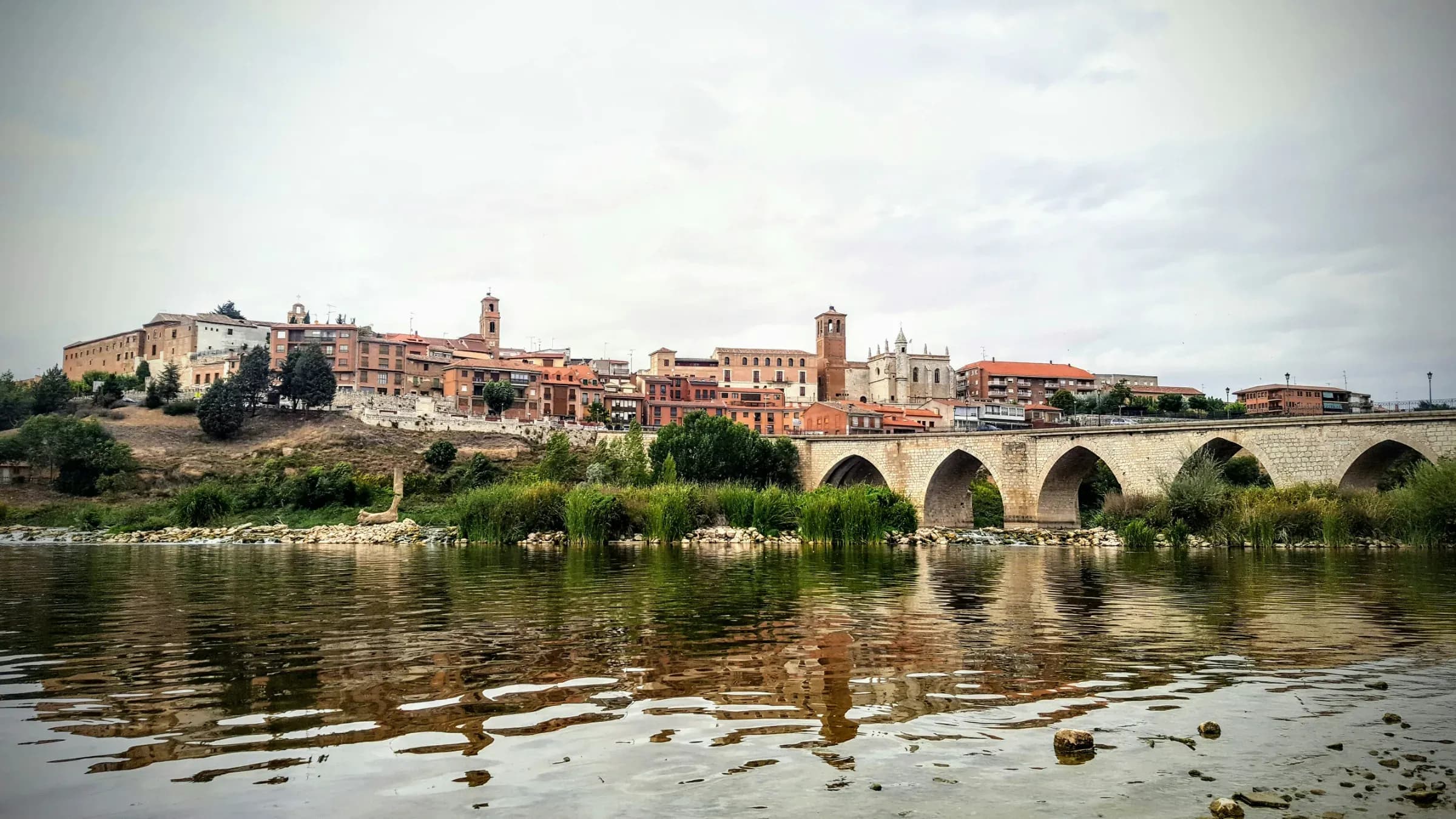
Castilla y León, Spain’s largest autonomous community, is a vast inland plateau framed by mountain ranges and cut by the Duero River, whose basin defines much of the region’s viticultural identity.
It covers more than 94,000 km² but only around 70,000 ha of vineyards spread across nine Denominaciones de Origen — the best known being Ribera del Duero, Rueda, Toro, Cigales, and Bierzo.
The region’s character is dictated by altitude and continentality: summers are hot and dry, winters long and freezing, with rainfall between 300 and 600 mm and sharp diurnal ranges.
These conditions produce grapes with thick skins, high colour and flavour concentration, and naturally balanced acidity.
While Tempranillo remains the dominant red grape, the region is equally defined by Verdejo, the aromatic white of Rueda, and Mencía, the perfumed red of Bierzo.
Together, these DOs show the full range of Spain’s central plateau — from powerful, oak-aged reds to mineral whites and finely tuned rosados.
2. Geology, Altitude, and Climate
The Meseta Central — the high plateau at 600–1,000 m — creates a uniform macroclimate of strong sunlight, low humidity, and dramatic day–night shifts.
Vineyards occupy ancient river terraces and limestone slopes, often with poor, free-draining soils that limit vigour and concentrate fruit.
The Duero River flows west from Soria through Burgos, Valladolid, and Zamora before reaching Portugal as the Douro, linking nearly all major DOs.
- Altitude: 650–900 m (up to 1,000 m in Bierzo)
- Temperature: summer highs 35 °C+, night drops below 15 °C
- Rainfall: 300–600 mm
- Soils: limestone, clay, sand, gravel, marl, schist (Bierzo)
3. Regional Orientation
Moving westward across the plateau:
- Ribera del Duero – the red-wine heartland (covered separately)
- Rueda – Verdejo-based whites
- Toro – bold, sun-drenched reds from Tinta de Toro
- Cigales – elegant rosados and limestone-etched reds
- Bierzo – Atlantic-influenced Mencía and Godello
4. Grape Varieties of Castilla y León
| Variety | Colour | Budding / Ripening | Vigour & Yield | Disease Sensitivity | Preferred Soils | Vine Characteristics Summary | Wine Style & Traits |
|---|---|---|---|---|---|---|---|
| Tempranillo (Tinta del País / Tinta de Toro / Tinto Fino) | Black | Early bud; early ripening | Moderate; 30–45 hl/ha | Frost/mildew prone; drought tolerant | Clay-limestone, sandy terraces | Small, thick-skinned berries; compact bunches | Deep colour, firm tannin, dark fruit, spice; structured, ageworthy reds |
| Garnacha Tinta | Black | Early bud; late ripening | High; needs crop control | Coulure in cool bloom | Sandy or ferrous-clay soils | Heat-tolerant; thrives on warm slopes | Juicy red fruit, spice, warmth; adds suppleness |
| Mencía | Black | Early bud; mid ripening | Moderate; low on old vines | Mildew/botrytis in wet years | Slate and schist hillsides | Upright growth; aromatic skins | Medium body, fine tannins, red/black fruit, violet, herbal lift; mineral edge |
| Cabernet Sauvignon | Black | Late bud; late ripening | Moderate; low yield in cool sites | Spring frost; ripening risk | Warm gravelly terraces | Upright, thick-skinned | Cassis, cedar, graphite; adds frame and longevity |
| Merlot | Black | Early bud; mid ripening | High vigour; productive | Coulure, mildew | Cooler clay soils | Broad leaves; canopy control needed | Plum, mocha; softens Tempranillo |
| Verdejo | White | Mid bud; mid ripening | Moderate; 45–60 hl/ha | Oxidation sensitive | Sandy, limestone, gravelly terraces | Aromatic, phenolic; drought-resistant | Citrus, fennel, melon, nutty tones; crisp or lees-aged styles |
| Sauvignon Blanc | White | Early bud; mid ripening | Moderate | Sunburn risk | Cooler exposures | Aromatic thiol variety | Passion fruit, lime, herb; varietal or blends |
| Godello | White | Early bud; mid ripening | Moderate; low on old vines | Botrytis risk | Slate, schist, limestone | Thick skins; high extract | Pear, quince, saline minerality; textured, ageworthy |
| Albillo Mayor / Real | White | Early bud; early ripening | Moderate | Oxidation post-harvest | Calcareous, sandy marl | Loose bunches, thick skins | Pear, melon, almond; savoury texture |
| Doña Blanca / Palomino | White | Mid; mid-late | Moderate–high | Rot-prone | Alluvial terraces | Neutral, productive | Light orchard fruit, nutty finish; blending roles |
5. Viticulture and Production
The extremes of altitude, sunlight, and frost shape every DO.
Dry farming is the norm; irrigation allowed only under drought stress.
Many of the best vineyards are old bush vines, some pre-phylloxera (especially in Toro and Bierzo).
Typical yields:
- Toro: 20–35 hl/ha (old vines)
- Cigales: 30–45 hl/ha
- Rueda: 40–60 hl/ha
- Bierzo: 20–35 hl/ha
Organic and sustainable viticulture are widespread; hand-harvesting is common in old plots.
6. Winemaking and Styles
Modern Castilla y León winemaking favours freshness and balance over sheer power.
Key developments include:
- Stainless steel for aromatic whites and rosados (Rueda, Cigales)
- Concrete and large oak vats for reds (Toro, Bierzo)
- Lees ageing and oak fermentation for Verdejo and Godello whites
- French oak replacing American, with gentler toast levels
- Whole-cluster fermentation and native yeast use growing in Bierzo and Cigales
7. Rueda DO – The Heart of Verdejo
Rueda spans Valladolid, Segovia, and Ávila, its vineyards between 700–850 m on sandy-gravel terraces with limestone subsoils.
Verdejo accounts for ~88% of white plantings; Sauvignon Blanc about 8%.
Traditional oxidative Rueda has given way to cool, reductive fermentation for freshness, while premium cuvées gain texture from oak and lees.
Style spectrum:
- Joven Verdejo: citrus, fennel, stone fruit; stainless steel.
- Lías / barrel-fermented: nutty, textured, complex.
- Sauvignon Blanc blends: bright, herbal, youthful.
- Espumoso: Verdejo-based sparkling, growing category.
8. Toro DO – Power and Precision
Located in Zamora and Valladolid, Toro’s 620–750 m vineyards bask in fierce sun and minimal rainfall (~350 mm).
Tinta de Toro (Tempranillo) produces dense, structured reds; older styles were 15 %+ alcohol, but modern examples show balance and freshness.
Of the ~8,000 ha zone, about 5,400 ha are currently registered under the Consejo Regulador.
Key grapes: Tinta de Toro, Garnacha, small Verdejo and Malvasía.
Styles:
- Joven: dark, intense, firm tannins.
- Crianza/Reserva: 18–24 months oak, spice and tobacco complexity.
- Modern: fresher, mineral, old-vine restraint.
- Whites: limited; dry Verdejo/Doña Blanca blends.
9. Cigales DO – Rosado Renaissance
North of Valladolid, Cigales (700–850 m) rests on chalky clay-limestone soils.
Long famed for clarete rosados blending red and white grapes, it now produces elegant, dry pinks and refined reds.
Grapes: Tempranillo, Garnacha, Verdejo, Albillo; small Cabernet/Merlot/Syrah.
Styles:
- Rosado / Clarete: dry, pale pink, redcurrant, grapefruit; gastronomic.
- Reds: medium body, red/black fruit, fine limestone tannins.
- Whites: small output; crisp Verdejo or waxy Albillo.
Modern Cigales emphasises freshness, balance, and minerality, led by the quality revolution in rosado.
10. Bierzo DO – Atlantic Elegance
In northwestern León, Bierzo bridges Castilla and Galicia.
Vineyards (450–900 m) climb schist and slate hillsides around Ponferrada and Villafranca del Bierzo.
The climate is Atlantic-continental, cooler and wetter than the plateau.
Mencía leads reds; Godello defines whites.
Many vines are 60–100 years old, and a terroir-based classification (village, paraje, vineyard) mirrors Burgundy.
Styles:
- Mencía joven: floral, red/black cherry, fine tannins.
- Paraje / single-vineyard: graphite, herbal, ageworthy.
- Godello: pear, quince, fennel; saline, lees texture.
- Experimental: field blends, amphora, partial carbonic.
Bierzo represents Spain’s “new Atlantic” movement — refined, site-driven, lower alcohol, and transparent in style.
11. Production Overview
| DO | Area (ha) | Main Grapes | Climate / Altitude | Typical Yields | Key Styles | Modern Trend |
|---|---|---|---|---|---|---|
| Rueda | ~21,000 | Verdejo, Sauvignon Blanc | Continental, 700–850 m | 40–60 hl/ha | Crisp to textural whites | Lees ageing, barrel ferment, organics |
| Toro | ~8,000 (≈5,400 ha registered) | Tinta de Toro, Garnacha, Verdejo | Hot continental, 620–750 m | 25–35 hl/ha | Powerful reds, few whites | Earlier picks, large oak, freshness |
| Cigales | ~2,000 | Tempranillo, Garnacha, Verdejo, Albillo | Continental, 700–850 m | 30–45 hl/ha | Rosado, red, some white | Pale, dry rosados; limestone reds |
| Bierzo | ~2,400 | Mencía, Godello | Atlantic–continental, 450–900 m | 20–35 hl/ha | Mineral reds, structured whites | Whole-cluster, site-driven, large oak |
12. Leading Producers
- Rueda: Marqués de Riscal, José Pariente, Belondrade y Lurton, Ossian, Naia
- Toro: Numanthia, San Román, Teso La Monja, Quinta Quietud, Fariña
- Cigales: Hiriart, Finca Museum, Sinforiano, Concejo Bodegas, Valdelosfrailes
- Bierzo: Descendientes de J. Palacios, Raúl Pérez (La Vizcaína / Ultreia), Mengoba, Castro Ventosa, Dominio de Tares
13. Summary
Castilla y León is Spain’s great inland plateau of extremes — sunlight, altitude, and clarity.
Where Ribera del Duero defines structured Tempranillo power, Rueda offers Verdejo’s freshness, Toro power and ripeness, Cigales poise and limestone lift, and Bierzo Atlantic finesse.
A new generation is redefining style: earlier harvests, gentler extraction, larger oak, and terroir transparency.
Together, these DOs form a complete portrait of modern Spanish wine — from muscular reds to textured whites and serious rosados of depth and balance.
Check your knowledge
Expert quiz