Carbonic Maceration
Carbonic Maceration
1. What It Is
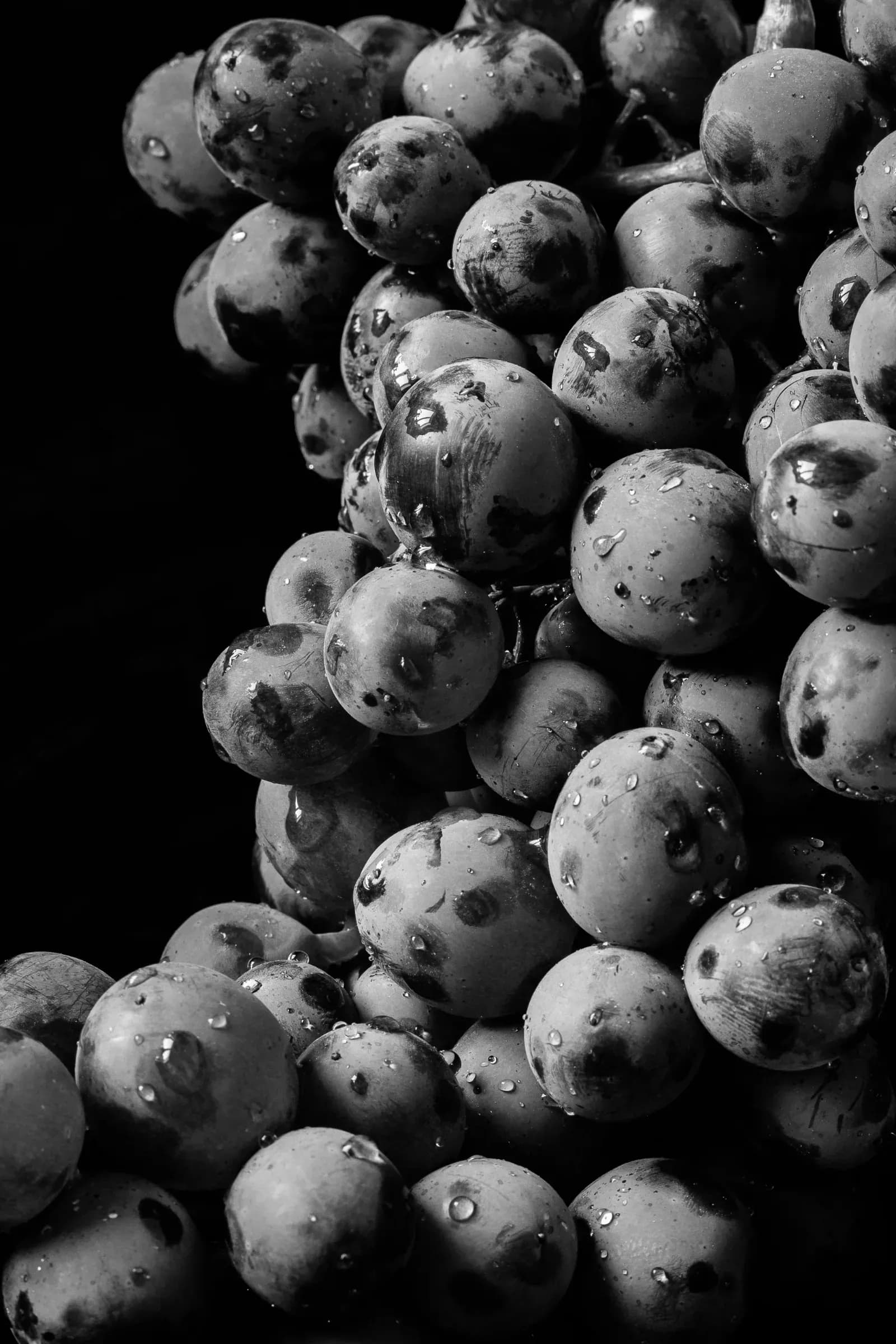
Carbonic maceration is a winemaking technique where whole, uncrushed grapes begin to ferment inside the berry in a tank filled with CO₂ or where CO₂ builds naturally from fermentation.
This creates wines that are:
- very fruity
- soft in tannin
- light in colour
- usually best when young
It is most famous in Beaujolais, but is now used in Spain, Italy, Australia, and the natural wine world.
2. How It Works
There are two main versions:
Full carbonic maceration
- Whole clusters placed in a sealed tank with CO₂
- Berries ferment internally
- Fruity, estery aromas (banana, raspberry)
- Low tannin, soft texture
Semi-carbonic maceration
- Whole clusters added to a tank with no added CO₂
- Grapes at the bottom crush under weight → yeast fermentation → CO₂ builds
- Upper berries undergo partial carbonic fermentation
- Creates fresher, bright-fruited wines with more structure than full CM
3. Whole-Cluster Fermentation
Whole-cluster (grapes left on stems) is not carbonic maceration, but it often creates small zones of natural carbonic activity.
Used widely in:
- Burgundy (Pinot Noir)
- Northern Rhône (Syrah)
- Beaujolais crus
- Etna, Oregon, Australia
WC increases aromatics and complexity and can add tannin from stems.
4. What Carbonic Wines Taste Like
Typical aromas:
- strawberry
- raspberry
- cherry
- banana / pear-drop (especially in full CM)
- floral lift
Texture:
- soft tannins
- juicy, smooth palate
- moderate alcohol
- early drinking
5. Risks & Faults
Poorly managed carbonic maceration can lead to:
- ethyl acetate (nail polish remover smell)
- volatile acidity
- overly “candy-like” aromas
- colour fading
Clean fruit and good oxygen management are essential.
6. Where It’s Used
- Beaujolais (Gamay)
- Spain: Tempranillo joven, Garnacha, Bobal
- Italy: Schiava, Dolcetto, Frappato, some Lambrusco
- Natural wine producers worldwide
- Australia/NZ: Pinot Noir, Grenache, Shiraz
7. Carbonic Maceration in Whites, Rosé, and Orange Wines
White Wines
Used experimentally for aromatic lift (e.g., Muscat, Malvasía, Pinot Gris).
Can create tropical fruit notes and a rounder texture.
Rosé
Used to create pale, aromatic, soft rosés with red-fruit lift.
Orange/Skin-Contact Whites
Short carbonic phase sometimes used before skin contact to soften tannins and add bright aromatics.
8. Which Grapes Work Best
Work well:
- Gamay
- Grenache
- Frappato
- Schiava
- Pinot Noir
- Mencía
- Aromatic whites (Malvasía, Muscat)
Less suitable:
- Nebbiolo
- Cabernet Sauvignon
- Riesling
- Sauvignon Blanc
- Thick-skinned, high-tannin grapes
9. Summary
Carbonic maceration produces fruity, soft, approachable wines and is used around the world in both traditional and modern styles.
Semi-carbonic and whole-cluster methods can add complexity without overpowering varietal character.
It is a flexible technique when managed carefully.
Check your knowledge
Enthusiast quiz