Canary Islands & Balearic Islands
Canary Islands & Balearic Islands – Expert-Level Overview
1. Overview
Spain’s two major archipelagos — the Canary Islands (Atlantic) and the Balearic Islands (Mediterranean) — offer two entirely distinct expressions of island viticulture.
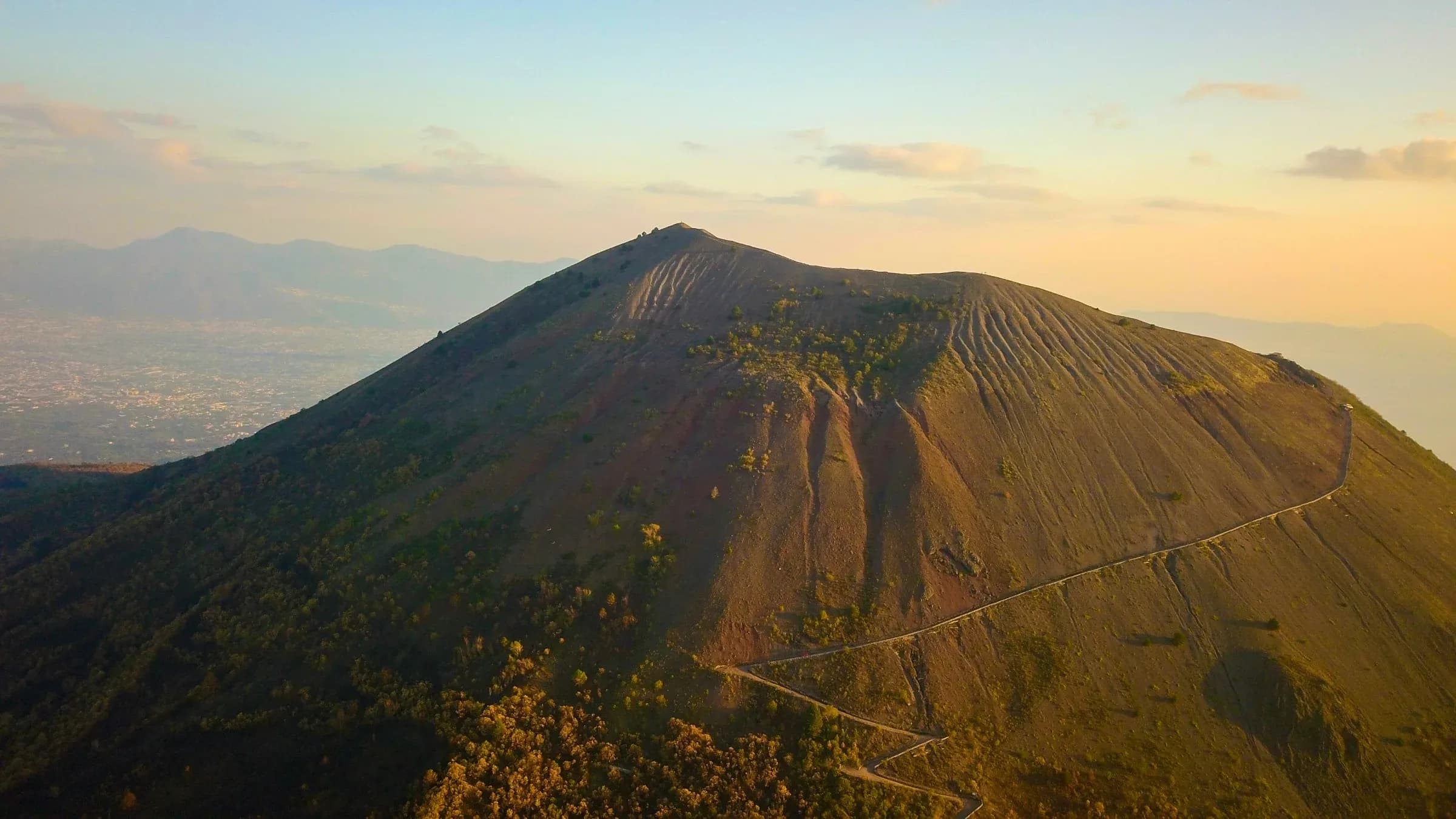
The Canaries are defined by volcanic soils, extreme altitudes, ancient ungrafted vines, and rare indigenous grapes such as Listán Negro, Negramoll, Baboso Negro, Malvasía Volcánica, and Marmajuelo.
The Balearics produce Mediterranean, limestone-influenced wines from Callet, Manto Negro, Fogoneu, and whites like Prensal Blanc and Giró Ros, often blended with Syrah, Cabernet, or Merlot.
Together these islands illustrate two contrasting identities: Atlantic volcanic tension versus Mediterranean warmth and structure.
2. Viticultural Conditions (Climate, Terroir, Identity)
Canary Islands
- Climate: Atlantic winds (alisios), warm days, cool nights, strong coastal influence.
- Soils: Basalt, lapilli/picon (volcanic ash), pumice, tuff — phylloxera-resistant.
- Altitude: Vineyards from sea level to 1,500 m.
- Viticulture: Extreme slopes, terracing, moisture capture systems, ungrafted vines.
Balearic Islands
- Climate: Warm Mediterranean with sea-breeze moderation.
- Soils: Limestone and clay-limestone (“call vermell”), some schist.
- Viticulture: More conventional training systems; drought a key challenge.
CANARY ISLANDS
3. Regional Profiles
Tenerife (five DOs)
Tacoronte-Acentejo, Valle de la Orotava, Ycoden-Daute-Isora, Abona, Valle de Güímar
- Most diverse island; 300–1,500 m vineyards
- North: humid, cooler, aromatic whites & fresh reds
- South: sunnier, drier, fuller styles
Producers: Envínate, Suertes del Marqués, Borja Pérez, Vinatigo, Ignios
Lanzarote DO
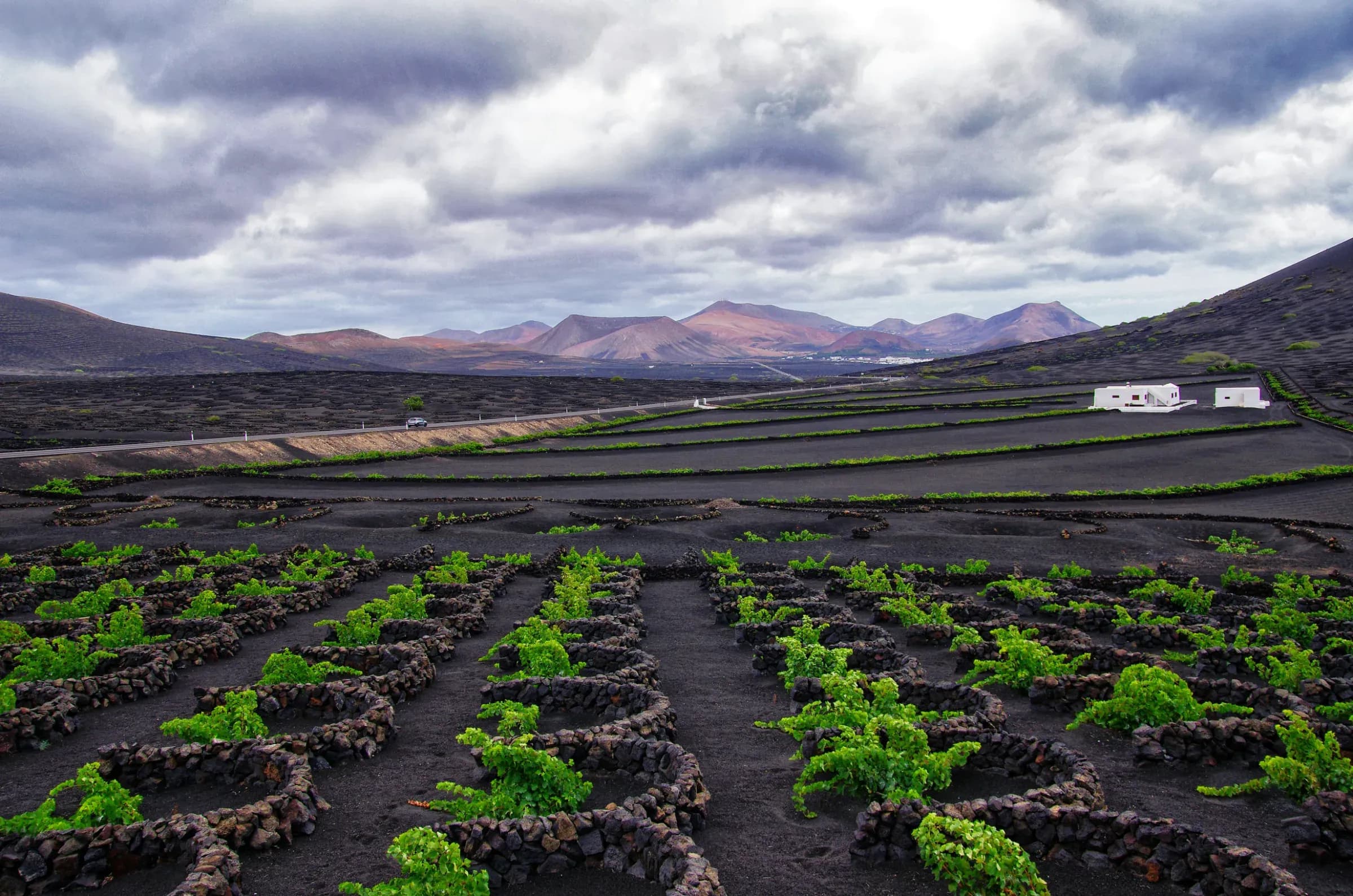
- Iconic hoyos viticulture: vines planted in deep pits with stone walls for wind protection.
- Black volcanic ash (picon) moderates temperature & captures dew.
Producers: Los Bermejos, El Grifo
La Palma DO
- Northern humidity → aromatic whites
- Central/south volcanic slopes → delicate reds
Producers: Matías i Torres, Tamanca
Gran Canaria DO
- Volcanic terraces; mix of red & white indigenous varieties
Producers: Frontón de Oro, Bodegas Tunte
El Hierro DO
- Small, isolated DO with lean whites and soft reds
4. Canary Island Training Systems
Hoyos (Lanzarote)
- Pits 1–3 m deep, 3–5 m wide; one vine per pit.
- Zocos (semicircle stone walls) protect from wind.
- Pit funnels moisture (dew/condensation) to the roots.
- Used on volcanic ash (picon) with almost no rainfall.
- Produces ultra-low yields → high aromatic intensity.
Cordón Trenzado (Tenerife)
- Ancient braided vine system (3–15+ metres long).
- Multiple shoots twisted annually into a rope-like cordon.
- Maximises airflow and sunlight in humid zones.
- Stores carbohydrate reserves for vine resilience.
- One of the world’s most labour-intensive training systems.
5. Canary Island Grape Table
| Variety | Colour | Skin | Vigour | Ripening | Soils | Hazards | Traits |
|---|---|---|---|---|---|---|---|
| Listán Negro | Black | Medium | High | Mid | Volcanic | Wind, drought | Peppery, pale, red-fruited, volcanic minerality |
| Negramoll | Black | Thin | High | Early | Sand, volcanic | Rot, wind | Pale, soft tannins, herbal |
| Baboso Negro | Black | Thick | Low | Late | Clay-volcanic | Heat stress | Dense, dark-fruited |
| Tintilla (local) | Black | Medium | Medium | Mid | Mixed volcanic | Low vigour | Fresh, aromatic |
| Malvasía Volcánica | White | Thin | Medium | Early | Lapilli/picon | Sunburn | Floral, saline, smoky |
| Listán Blanco | White | Thin | High | Early | Volcanic | Wind | Neutral, mineral |
| Gual | White | Medium | Low | Late | Mixed | Heat | Stone fruit, spice |
| Marmajuelo | White | Medium-thick | Low | Late | Volcanic | Drought | Tropical, herbal, textural |
BALEARIC ISLANDS
6. Regional Profiles
Binissalem DO (Mallorca)
- Limestone/clay soils; maritime influence
- Focus on Manto Negro reds
Producers: Bodegas Ribas, Tianna Negre, José L. Ferrer
Pla i Llevant DO (Mallorca)
- Warmer plains; Callet, Fogoneu, Manto Negro + international blends
Producers: Ànima Negra, Mesquida Mora, Miquel Gelabert
VdlT Mallorca, Menorca, Ibiza, Formentera
- Mixed indigenous & international grapes
- Menorca: lighter maritime wines
- Ibiza/Formentera: small-scale artisanal production
7. Balearic Grape Table
| Variety | Colour | Skin | Vigour | Ripening | Soils | Hazards | Traits |
|---|---|---|---|---|---|---|---|
| Manto Negro | Black | Medium | Medium | Mid | Limestone/clay | Heat | Warm, supple, red-fruited |
| Callet | Black | Thin | High | Late | Red clay | Drought | Pale, herbal, elegant |
| Fogoneu | Black | Thin | High | Early | Mixed | Sunburn | Light, fruity |
| Prensal Blanc (Moll) | White | Thin | Medium | Early | Limestone | Oxidation | Soft, orchard fruit |
| Giró Ros | White | Medium | Low | Mid | Limestone | Low yield | Textural, subtle fruit |
8. Winemaking Approaches
Canary Islands
- Skin-contact whites; whole-cluster reds
- Neutral oak, concrete, foudres
- Low-intervention styles common
- Emphasis on aromatic precision & volcanic salinity
Balearics
- Barrel-aged Mediterranean reds
- Amphora/concrete for modern freshness
- Growing focus on indigenous grapes over international varieties
9. Regional Style Profiles
Canary Islands
- Whites: saline, smoky, high acid, aromatic
- Reds: pale, peppery, red-fruited; moderate alcohol
- Strong volcanic signature
Balearic Islands
- Manto Negro: soft, warm, supple
- Callet: pale, herbal, elegant
- Prensal Blanc/Giró Ros: gentle, textured whites
- Mediterranean warmth with coastal freshness
10. Producers to Know
Canary Islands
Envínate, Suertes del Marqués, Borja Pérez, Los Bermejos, El Grifo, Matías i Torres, Vinatigo, Ignios
Balearics
Ànima Negra, 4Kilos, Bodegas Ribas, Mesquida Mora, Miquel Gelabert, Can Majoral, Tianna Negre
11. Wines to Seek Out
- Envínate Táganan
- Suertes del Marqués Vidonia
- Los Bermejos Malvasía Volcánica
- El Grifo Vijariego
- Ànima Negra AN/2
- 4Kilos 12 Volts
- Mesquida Mora Acrollam
- Barranco Oscuro high-altitude whites
12. Summary
The Canary Islands deliver volcanic, saline wines shaped by altitude, ash-based soils, and ancient ungrafted vines.
The Balearic Islands express Mediterranean warmth through supple Manto Negro and Callet reds and textured Prensal Blanc whites.
Together they show two contrasting island identities grounded in their unique geologies and climates.
Check your knowledge
Expert quiz