Campania
Campania
Campania is one of Italy’s most characterful wine regions, defined by a rare convergence of ancient native varieties, active and extinct volcanic systems, and dramatic topography that shifts rapidly from humid coastal plains to cooler inland elevations. At its best, the region delivers:
- Age-worthy whites with depth and structure (notably Fiano and Greco from Irpinia).
- Long-lived, high-structure reds based on Aglianico (especially Taurasi and Aglianico del Taburno).
- Volcanic, saline wines from the Naples arc (Campi Flegrei and Vesuvio), often with a distinctly smoky-mineral profile.
Quick facts
| Item | Detail |
|---|---|
| Denomination footprint | 4 DOCG + 15 DOC (19 DOP total) and 10 IGP (IGT) |
| DOCG (all) | Taurasi, Fiano di Avellino, Greco di Tufo, Aglianico del Taburno |
| DOC (all) | Ischia, Capri, Vesuvio, Cilento, Falerno del Massico, Castel San Lorenzo, Aversa, Penisola Sorrentina, Campi Flegrei, Costa d’Amalfi, Galluccio, Sannio, Irpinia, Casavecchia di Pontelatone, Falanghina del Sannio |
| IGP/IGT (all) | Colli di Salerno, Dugenta, Epomeo, Paestum, Pompeiano, Roccamonfina, Beneventano, Terre del Volturno, Campania, Catalanesca del Monte Somma |
Geography and subregions (how to think about the region)
1) Irpinia (Avellino) — inland altitude, longer seasons
Campania’s most consistently “fine-wine” subregion. Cooler nights and longer ripening support whites with structure and reds with tannin architecture.
- Fiano di Avellino DOCG
- Greco di Tufo DOCG
- Taurasi DOCG (Aglianico)
2) Sannio & Taburno (Benevento) — breadth, value, and increasingly precise site work
Large vineyard area and an improving quality ceiling, particularly for:
- Falanghina del Sannio DOC
- Aglianico del Taburno DOCG
- Sannio DOC (broad umbrella)
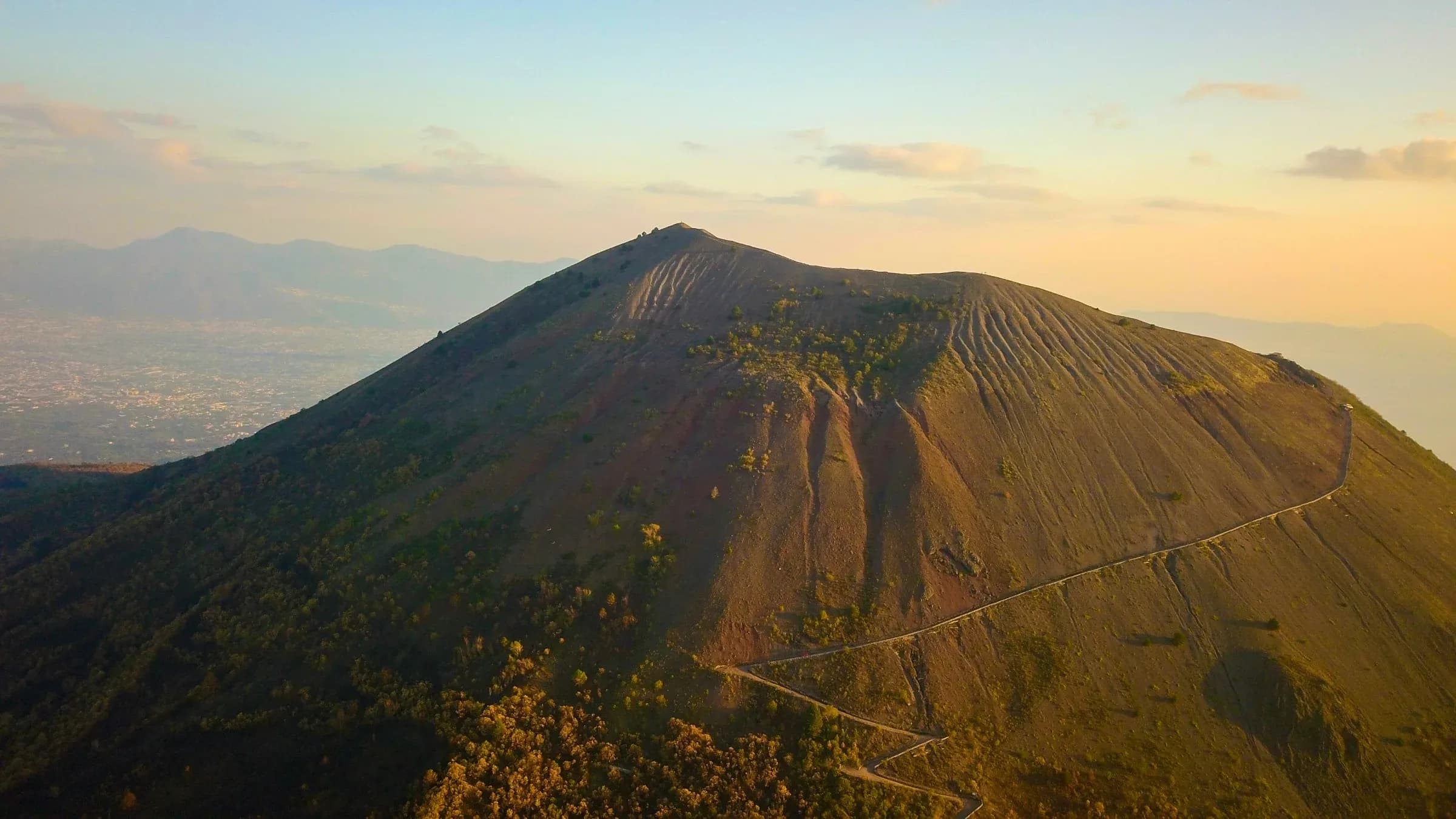
3) Naples volcanic arc — Campi Flegrei and Vesuvio
Volcanic deposits (tuff, ash, pumice, lapilli) and maritime influence combine for high-identity whites and savoury reds.
- Campi Flegrei DOC
- Vesuvio DOC / Lacryma Christi del Vesuvio
4) Caserta / Volturno corridor — heritage names and native revival
A zone of both historic denominations and modern renaissance, often intersecting with IGT innovation.
- Falerno del Massico DOC
- Terre del Volturno IGT (major “freedom” label for ambitious reds)
5) Coast, terraces and islands — Amalfi/Tramonti and Ischia
Steep slopes, pergolas, and maritime freshness; small volumes but strong identity.
- Costa d’Amalfi DOC (incl. Tramonti)
- Ischia DOC
Climate and soils (drivers of style)
Climate
- Altitude inland (Irpinia/Taburno): preserves acidity and extends phenolic ripening—crucial for Aglianico’s tannin maturity.
- Coastal humidity (Naples/Amalfi/Ischia): elevates fungal pressure; airflow and canopy discipline become decisive.
- Mediterranean heat: can accelerate sugar accumulation; best sites mitigate via elevation, exposure, and soil water dynamics.
Soils (high signal, region-wide)
- Volcanic (Vesuvio/Campi Flegrei/Ischia): commonly associated with saline, smoky-mineral nuance and a firm structural “line” in whites.
- Inland mixed calcareous-clay (parts of Irpinia/Taburno): supports depth and tannin architecture for Aglianico and texture for Fiano.
Grape varieties — expert table (with yields in hl/ha)
Yield convention: Values below are maximum wine yields (hl/ha) derived from each denomination’s maximum grape yield (t/ha or q/ha) and maximum grape-to-wine yield (%), or stated directly where the disciplinare provides hl/ha. They represent regulatory ceilings, not typical quality targets.
| Variety (synonyms) | Colour | Key zones & leading DOPs | Regulatory yield ceiling (hl/ha) — key Campania references | Viticulture hazards | Main styles | Tasting profile (typical markers) | Ageing profile |
|---|---|---|---|---|---|---|---|
| Fiano | White | Irpinia — Fiano di Avellino DOCG | 70 hl/ha (10 t/ha with max 70% must/wine yield) | Aromatic precision drops with excess crop; oxidative handling can mute detail | Dry still; often textural; frequent lees work | Pear/quince, white flowers; hazelnut/almond, wax/honey with age | Strong for top examples |
| Greco (with small Coda di Volpe allowance) | White | Irpinia — Greco di Tufo DOCG | 70 hl/ha (10 t/ha; max 70% yield) | Phenolic bite can turn bitter if over-extracted; harvest timing is critical | Dry still; taut and mineral; also spumante exists under rules | Citrus/stone fruit; smoky-mineral, often bitter almond/phenolic finish | Medium–high |
| Falanghina | White | Sannio/Taburno; Campi Flegrei; Vesuvio | 84 hl/ha (Falanghina del Sannio: 12 t/ha & 70% in several subzones) and 77 hl/ha (Sant’Agata de’ Goti: 11 t/ha & 70%); 84 hl/ha (Campi Flegrei bianco/Falanghina: 120 q/ha & 70%); 70 hl/ha (Vesuvio Falanghina) | Dilution risk at high yields; heat can flatten aromatics | Mostly dry, stainless/lees; passito/spumante exist in certain DOC rules | Lemon, apple/pear, white blossom; volcanic examples can show salinity and a smoky edge | Best examples improve short–mid term |
| Aglianico | Red | Irpinia — Taurasi DOCG; Taburno — Aglianico del Taburno DOCG; Vesuvio | 70 hl/ha at first racking; 65 hl/ha after mandatory ageing (Taurasi: max 100 q/ha; max 70% then 65%); 63 hl/ha (Taburno rosso/riserva: 9 t/ha & 70%); 70 hl/ha (Vesuvio Aglianico) | Very late ripener; under-ripeness yields hard tannin and bitterness; autumn rain is a key risk | Structured dry reds; oak common for premium | Dark cherry/plum, dried herbs; high tannin + high acidity; tertiary leather/tobacco with age | High (especially Taurasi) |
| Piedirosso (Per’ e Palummo) | Red | Campi Flegrei; Vesuvio; Ischia | 70 hl/ha (Campi Flegrei reds: 100 q/ha & 70%); 70 hl/ha (Vesuvio Piedirosso); 63 hl/ha (Ischia Piedirosso: 9 t/ha & 70%) | Pale colour; over-extraction can dry the palate; humidity raises rot pressure | Medium-bodied, savoury reds; typically moderate oak | Sour cherry/red berries, peppery spice; smoke/ash, dried herbs; supple tannin | Medium |
| Asprinio | White | Agro Aversano — Aversa DOC | 84 hl/ha (12 t/ha & 70%) | Naturally high acidity; ripeness management is crucial | Lean still; notable for spumante styles | Lime/lemon, green apple; very brisk acidity, often salty/herbal nuances | Best young; sparkling can hold |
| Biancolella | White | Ischia DOC | 70 hl/ha (10 t/ha & 70%) | Sun exposure on terraces; wind can reduce set | Dry, saline island whites | Citrus, herbs, sea-spray salinity | Short–mid |
| Forastera | White | Ischia DOC | 70 hl/ha (10 t/ha & 70%) | Similar terrace constraints; balancing aromatics vs freshness | Fresh, light-to-medium island whites | Citrus, florals, saline finish | Short–mid |
| Caprettone | White | Vesuvio DOC | 70 hl/ha (Vesuvio Caprettone categories) | Managing freshness in warm exposures | Crisp volcanic whites | Citrus, mineral/saline notes, subtle smoke | Short–mid |
Special styles (yield ceilings that matter)
| Style | Where it appears (examples) | Regulatory yield ceiling (hl/ha) |
|---|---|---|
| Lacryma Christi del Vesuvio (Superiore / Riserva) | Vesuvio DOC | 55.25 hl/ha |
| Lacryma Christi Passito | Vesuvio DOC | 45 hl/ha |
| Falanghina del Sannio — Vendemmia Tardiva | Falanghina del Sannio DOC | 52–58.5 hl/ha (8–9 t/ha with max 65%) |
| Falanghina del Sannio — Passito | Falanghina del Sannio DOC | 44–48 hl/ha (11–12 t/ha with max 40%) |
| Campi Flegrei — Passito (Falanghina/Piedirosso) | Campi Flegrei DOC | Max 45% grape-to-wine yield; combined with max grape yields implies ceilings of ~54 hl/ha (white) and ~45 hl/ha (red) |
| Ischia Piedirosso Passito | Ischia DOC | Max 40% grape-to-wine yield (with 9 t/ha grape ceiling) |
Denominations to know (DOCG / key DOC)
DOCG
- Taurasi DOCG — Aglianico-based structured reds with mandatory ageing rules
- Fiano di Avellino DOCG — benchmark for structured, age-capable whites
- Greco di Tufo DOCG — mineral whites; spumante is also regulated
- Aglianico del Taburno DOCG — structured reds (and rosato) from Taburno
Key DOC
- Campi Flegrei DOC — Falanghina and Piedirosso with clear volcanic identity
- Vesuvio DOC / Lacryma Christi del Vesuvio — volcanic categories with explicit hl/ha limits
- Ischia DOC — island whites (Forastera/Biancolella) and reds (Piedirosso/Guarnaccia)
- Falanghina del Sannio DOC — subzones and multiple styles (incl. passito and late harvest)
- Aversa DOC — Asprinio still and spumante
IGP/IGT
Campania’s 10 IGP/IGT provide flexibility for:
- Non-traditional blends (including international varieties)
- Single-vineyard bottlings outside DOC blend rules
- Alternative maceration and ageing choices
Commonly cited reference wines include Montevetrano (Colli di Salerno IGT) and Terra di Lavoro (Terre del Volturno IGT).
Notable producers (shortlist)
- Irpinia: Mastroberardino; Feudi di San Gregorio; Quintodecimo; Villa Raiano; Guido Marsella; Pietracupa; Terredora di Paolo; Di Meo
- Campi Flegrei: La Sibilla; Cantine Astroni; Agnanum
- Ischia: Casa D’Ambra; Cenatiempo
- Caserta/Volturno: Galardi; Villa Matilde Avallone; Terre del Principe; Alois
- Amalfi / Tramonti: Marisa Cuomo; Tenuta San Francesco
Visiting (wine-led areas)
- Irpinia (Avellino): dense concentration of top estates for Fiano/Greco/Taurasi
- Taburno & Sannio: broad producer base and defined Falanghina subzones
- Campi Flegrei: volcanic vineyards close to Naples (Pozzuoli/Bacoli/Procida orbit)
- Caserta/Volturno: native revival and IGT prestige reds
- Tramonti (Amalfi mountains): terrace viticulture and strong local identity
Summary
Campania’s core identity is built on Irpinia’s structured whites (Fiano and Greco), ageworthy Aglianico reds (Taurasi and Taburno), and high-identity volcanic wines from Campi Flegrei and Vesuvio.
Across DOCG, DOC, and IGT bottlings, the region combines native-grape traditions with increasing terroir focus and stylistic diversity.
Check your knowledge
Expert quiz