Andalusia beyond Jerez
Andalucía Beyond Jerez
1. Overview
Andalucía is famous for Sherry, but the regions outside Jerez also produce a wide range of distinctive wines.
These include Montilla–Moriles, Málaga & Sierras de Málaga, Condado de Huelva, Vino de la Tierra de Cádiz, and Granada/Sierra Nevada.
Together they offer unfortified whites, sweet Moscatel and PX wines, high-altitude reds and whites, and revived local varieties such as Tintilla de Rota.
2. Climate & Soils
- The west (Cádiz, Huelva) is influenced by the Atlantic, giving cooler winds.
- Inland areas such as Montilla–Moriles are hot and dry, ideal for PX.
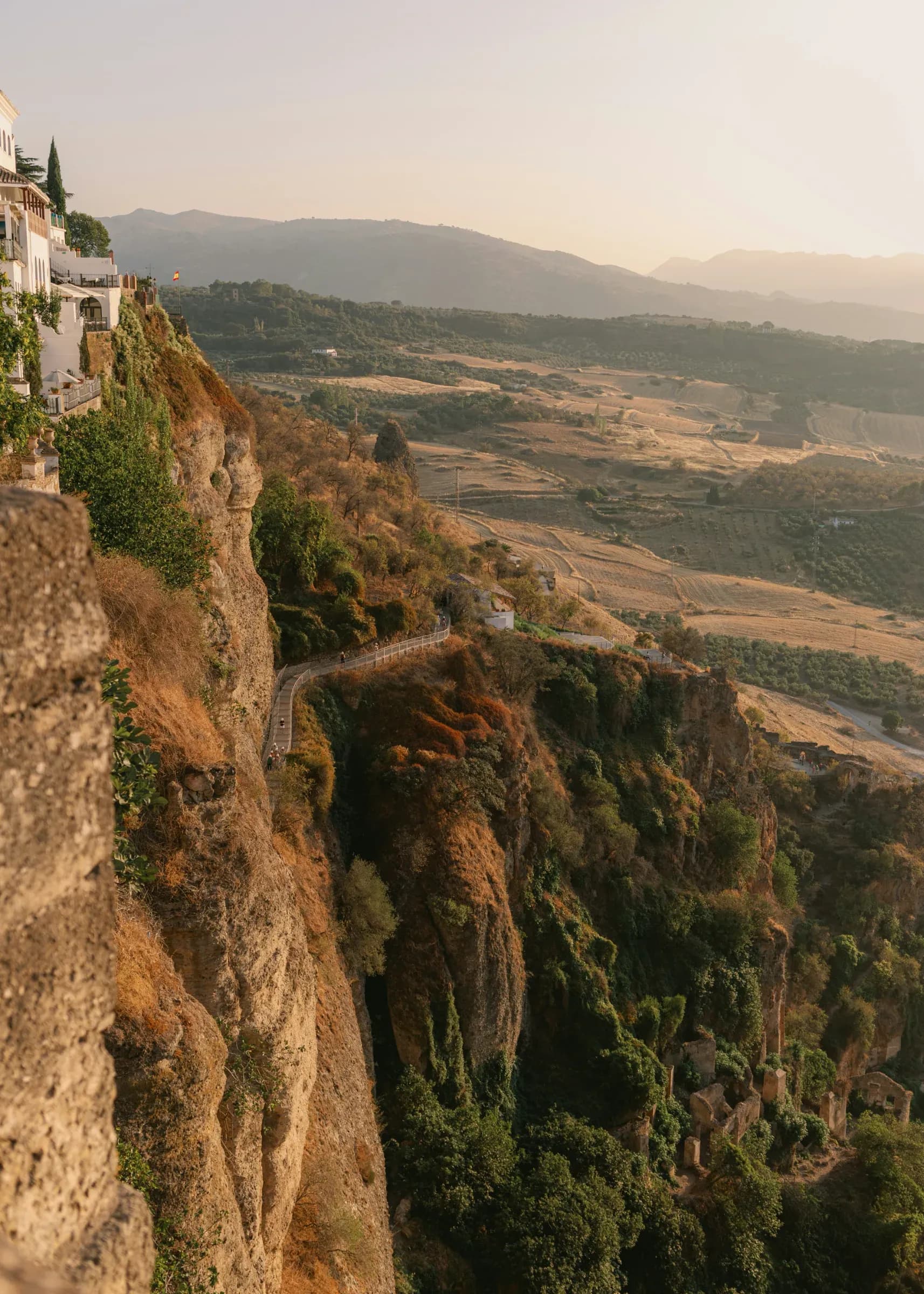
- Málaga’s Axarquía has steep slate hillsides facing the Mediterranean.
- Granada has mountain vineyards up to 1,300 m with large day–night temperature swings.
- Soils vary widely: chalk, slate, clay-limestone, sand, and volcanic/metamorphic formations.
These conditions mean Andalusian wines can be fresh and mineral or rich and sweet depending on site.
3. Key Regions & Styles
Montilla–Moriles DO (Córdoba)
Known for Pedro Ximénez (PX) and Sherry-style wines made without fortification.
- PX can reach 15–16% natural alcohol → natural Finos.
- Soils: chalk similar to albariza.
- Sweet wines use asoleo (sun-drying).
Styles: unfortified Fino, Amontillado, Oloroso, PX dulce, dry PX whites.
Producers: Alvear, Pérez Barquero, Robles.
Málaga DO & Sierras de Málaga DO
Two distinct wine zones:
Málaga DO – historic sweet wines from Moscatel and PX.
- Uses asoleo (sun-drying) and arrope (must reduction).
- Styles: Málaga Dulce, Málaga Virgen, PX dulce.
Sierras de Málaga DO – modern still wines from high-altitude vineyards.
- Grapes: Moscatel, Chardonnay, Syrah, Romé.
- Styles: dry aromatic whites, mineral reds.
Producers: Bentomiz, Sedella, Schatz, Cortijo Los Aguilares.
Condado de Huelva DO
Close to Portugal; known for Zalema.
- Produces flor-aged Condado Pálido, oxidative Condado Viejo, sweet Moscatel, and light dry whites.
Producers: Iglesias, Sauci.
Vino de la Tierra de Cádiz
A hotspot for modern still wines with Atlantic influence.
- Key grapes: Tintilla de Rota, Palomino (still wines), Syrah, Tempranillo.
- Terroir: clay-limestone and some albariza; coastal breezes.
- Styles: fresh, spicy Tintilla reds; saline Palomino whites; amphora ferments.
Producers: Forlong, Luis Pérez, Cota 45, Vinifícate, Primitivo Collantes.
Granada / Sierra Nevada
Mountain viticulture 700–1,300 m.
- Grapes: Vigiriega, Moscatel, Tempranillo, Garnacha, Syrah.
- Styles: crisp, high-acid whites; fresh reds; many natural wines.
Producers: Barranco Oscuro, Calvente, Señorío de Nevada.
4. Key Techniques
Asoleo (sun-drying)
Used for PX and Moscatel sweet wines. Grapes are laid on mats in the sun for 5–15 days, concentrating sugars and flavours. Produces raisin, fig, and toffee notes.
Arrope (must reduction)
Fresh must is slowly heated and reduced to a thick, caramelised syrup. Added to Málaga wines for colour, sweetness, and toffee/caramel depth.
Tinaja (amphora) fermentation
Used increasingly in Cádiz and Málaga for textural, low-intervention whites and reds.
Flor ageing outside Jerez
Montilla–Moriles Finos and Huelva’s Condado Pálido can age biologically without fortification.
5. Regional Grape Overview
| Grape | Style | Traits |
|---|---|---|
| Pedro Ximénez (PX) | Sweet wines, unfortified Finos | Raisin, fig, molasses; very high sugar |
| Palomino Fino | Still whites, flor wines | Saline, neutral, mineral |
| Moscatel de Alejandría | Sweet + dry aromatic | Floral, honeyed, citrus blossom |
| Zalema | Dry whites, flor | Light, neutral, drought-tolerant |
| Tintilla de Rota | Still reds | High acidity, floral, spicy |
| Vigiriega | Mountain whites | Crisp, very high acidity |
| Romé | Light reds | Soft colour, red berry, aromatic |
6. Wines to Try
- PX Fino from Pérez Barquero (Montilla–Moriles)
- PX 1927 from Alvear
- Ariyanas dry Moscatel (Bentomiz, Málaga)
- Sedella Tinto (Málaga slate reds)
- Tintilla de Rota (Luis Pérez, Cádiz)
- Cota 45 “Ube” Palomino
- Barranco Oscuro mountain whites
- Condado Pálido (Huelva)
7. Summary
Beyond Jerez, Andalucía offers everything from unfortified PX Finos and slate-grown dry Muscat to Atlantic-influenced Palomino whites and high-altitude mountain wines.
Its styles vary with altitude, soils, and proximity to the sea, giving each subregion a distinct identity.
This broader Andalusian landscape blends traditional methods like asoleo and arrope with innovative still-wine winemaking.
Check your knowledge
Enthusiast quiz